



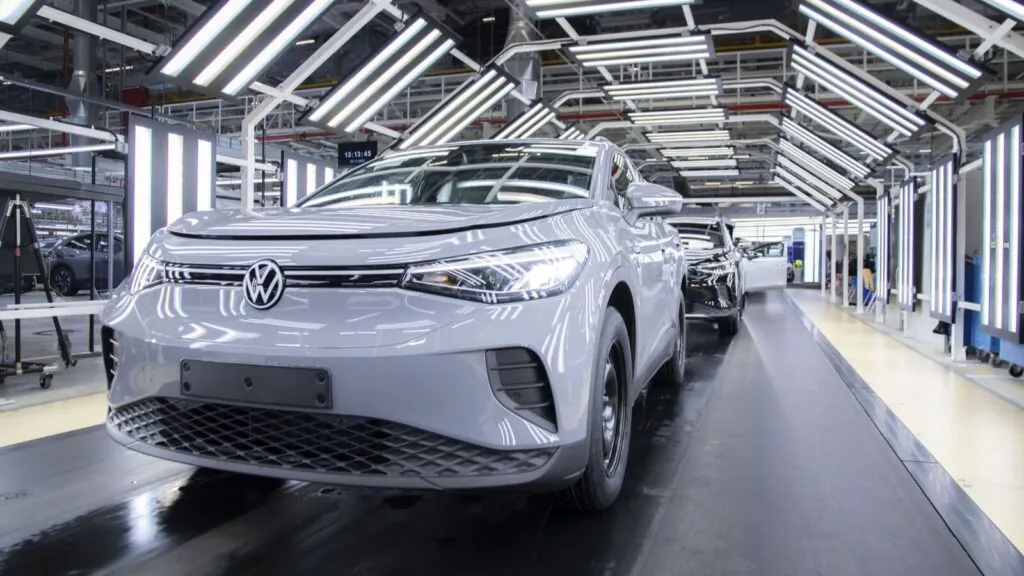
Volkswagen is preparing for one of the biggest restructuring efforts in its history. The German automaker has approved a plan to eliminate another 50,000 jobs by 2030, adding to previously announced cuts and bringing the total planned workforce reduction to around 100,000 positions.
The decision aims to reduce costs and restore competitiveness in an increasingly challenging market for European automakers. Pressure from Chinese brands, particularly in the electric vehicle segment, along with declining sales in China and higher production costs, has affected Volkswagen’s performance.

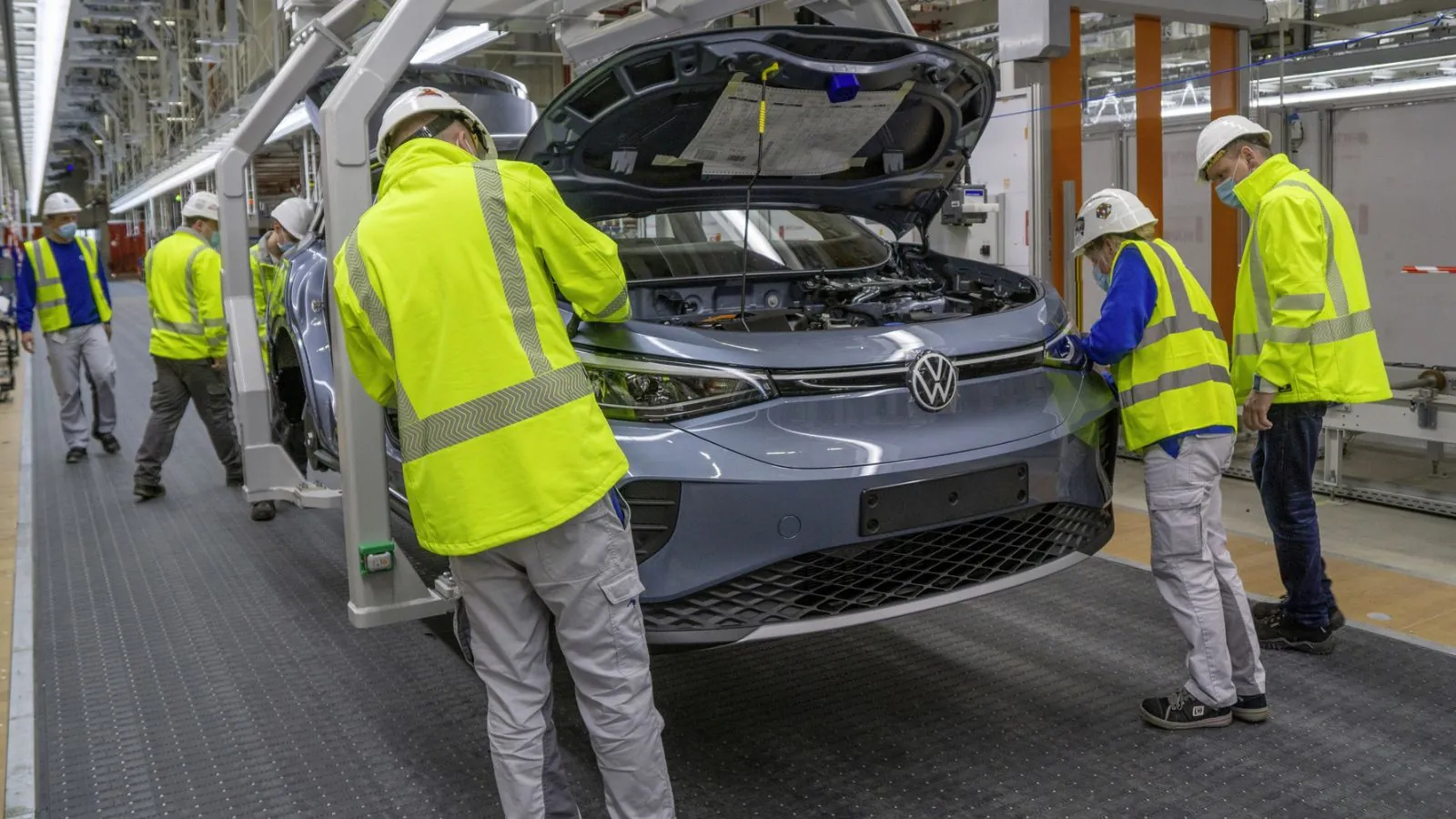

The plan also puts the future of four German plants under review: Emden, Hannover, Zwickau, and Neckarsulm, where production could end between 2031 and 2034.
Why is Volkswagen making this decision?
The company wants to reduce fixed costs, simplify its vehicle lineup, and improve profitability to compete more effectively against international rivals.
The announcement represents a major challenge for thousands of workers and could have significant consequences for the future of Europe’s automotive industry.