





The trade dispute between the United States and Canada is intensifying after President Donald Trump announced new 50% tariffs on Canadian vehicles, automotive components, and steel beginning January 1, 2027. The move comes after negotiations between Washington and Ottawa failed to produce an agreement.
Canada, led by Prime Minister Mark Carney, is preparing a response. Ottawa has announced “dollar-for-dollar” tariffs on approximately $20 billion worth of U.S. products, including steel, dairy products, appliances, paper, and agricultural equipment.
Read More


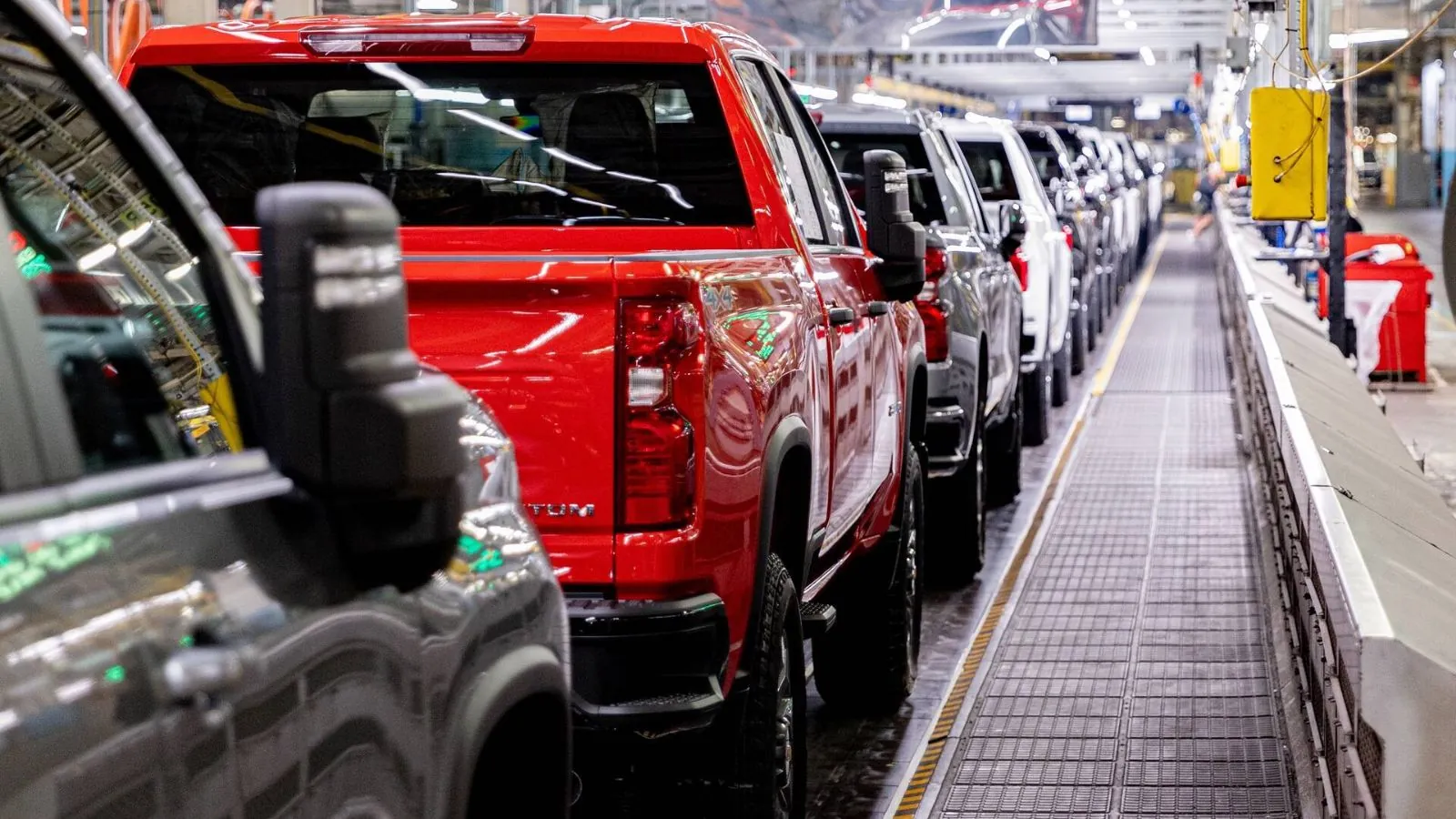

The conflict could affect consumers and businesses in both countries, particularly industries connected to automotive manufacturing and raw materials. The dispute also comes as the United States, Canada, and Mexico prepare to renegotiate the USMCA, increasing uncertainty surrounding the future of North American trade.
Which Canadian products are at the center of the new dispute?
Automobiles, trucks, automotive parts, and steel are among the main products affected, although the U.S. measures could also cover a broader range of Canadian goods.
The escalation represents another major challenge for two economies that are deeply interconnected. If the measures continue to expand, companies and consumers on both sides of the border could face higher costs and additional economic uncertainty.