



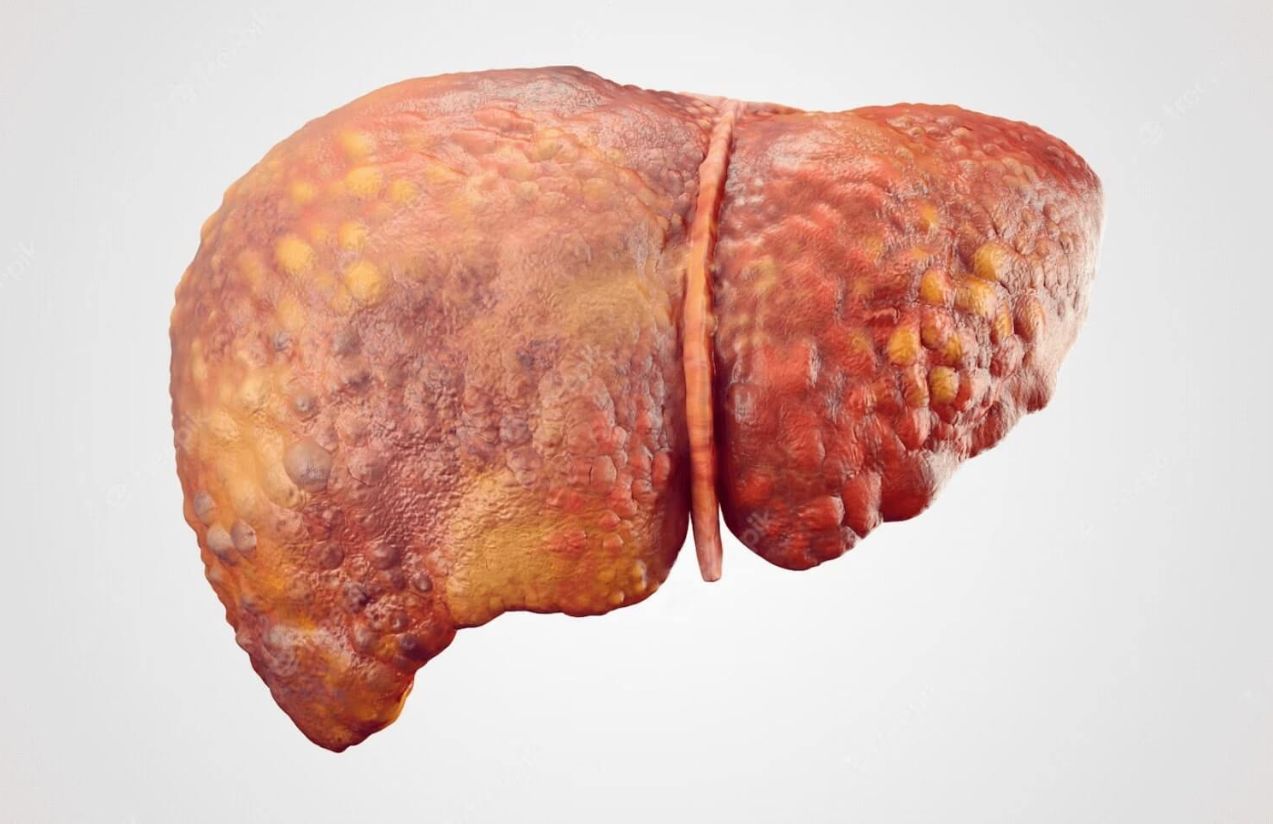
A recent report warns that excessive added sugar in the daily diet has a direct and harmful impact on the liver, increasing the risk of developing hepatic steatosis, commonly known as fatty liver. Research indicates that consuming around 80 grams of added sugar per day, an amount equivalent to less than one liter of soda, is enough to trigger fat accumulation in the liver, even in young and healthy people.
Experts highlight that one of the main problems is the hidden sugar present in processed foods, soft drinks, pastries, flavored yogurts, sauces, and packaged snacks. Many of these products contain more sugar than a person should consume in an entire day, making it difficult for the population to stay within recommended limits.
Current international guidelines suggest that men should not exceed 36 grams of added sugar per day, while women should limit their intake to 25 or 30 grams. These amounts include not only the sugar added to beverages, but also that found in everyday foods that often go unnoticed.
But why is added sugar so risky?
High consumption forces the liver to convert excess sugars into fat, which over time contributes to the development of fatty liver, insulin resistance, and metabolic diseases such as type 2 diabetes. Reducing sugar intake is one of the most effective steps to protect liver health and prevent long-term complications.