



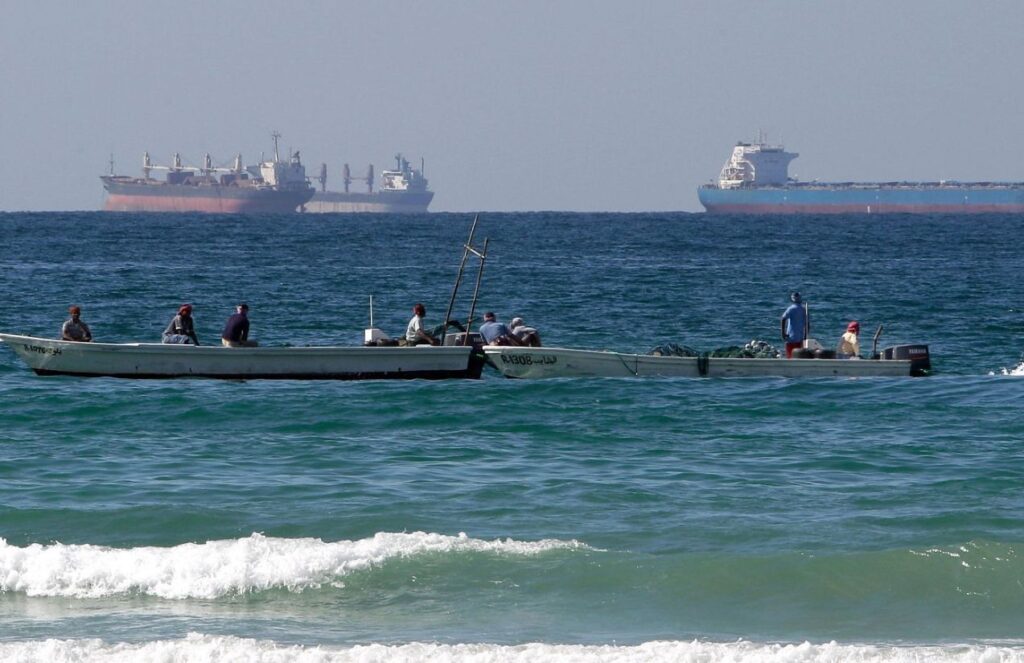
International tensions are rising once more after Iran announced the renewed closure of the Strait of Hormuz, one of the world’s most important maritime routes, amid ongoing negotiations with the United States.
The move follows direct accusations against Washington for maintaining a blockade on Iranian ports, which Tehran claims violates previously reached agreements. In response, Iranian forces have reasserted full control over the strait, restricting vessel traffic and increasing global uncertainty.


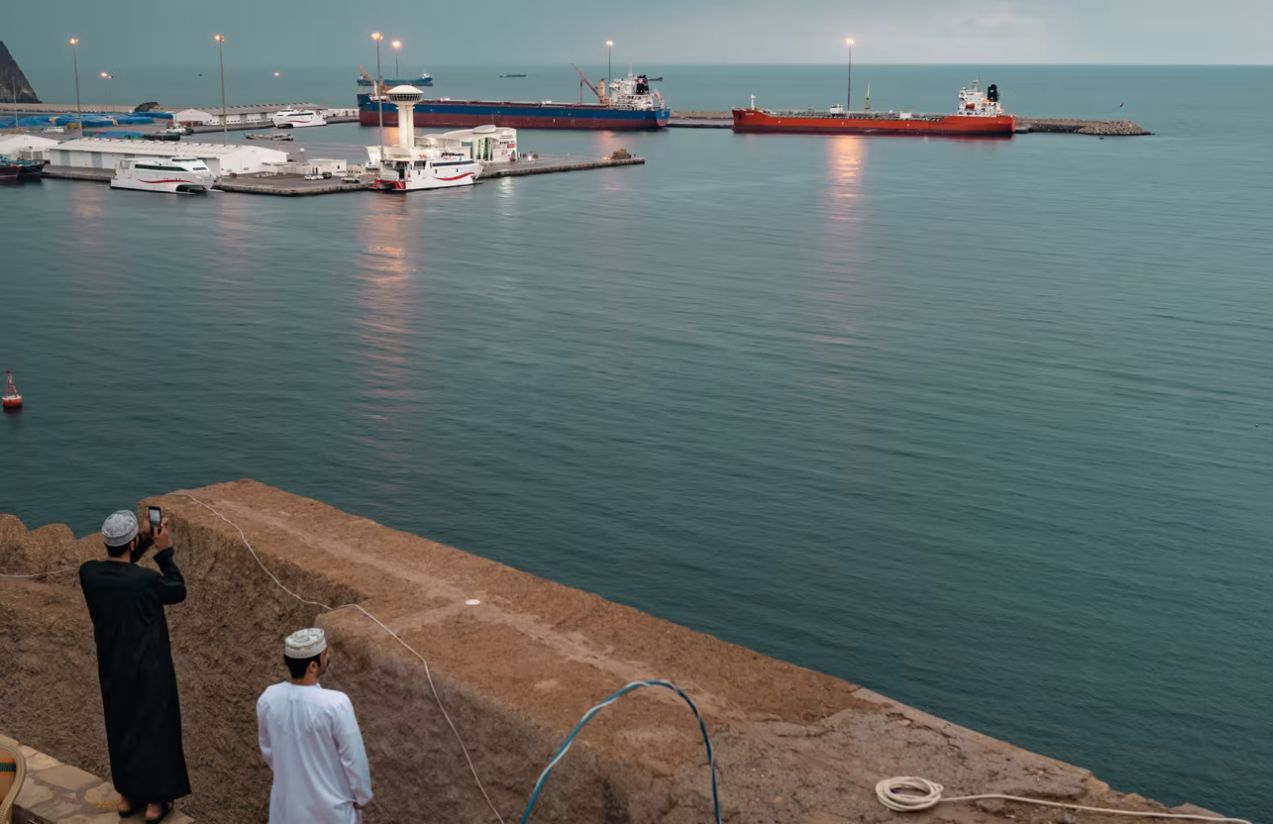

This strategic step directly impacts global energy trade, as nearly 20% of the world’s oil passes through this route, potentially triggering immediate effects on international markets. There have also been reports of incidents in the area, including warnings to ships, further raising the risk of a broader escalation.
The situation highlights the fragility of the diplomatic process and the world’s heavy dependence on this key passage.
Why is the closure of the Strait of Hormuz so serious?
Because it disrupts global oil supply and can trigger a worldwide energy crisis.
The world is watching closely to see whether this closure will be temporary or the start of a larger escalation.