




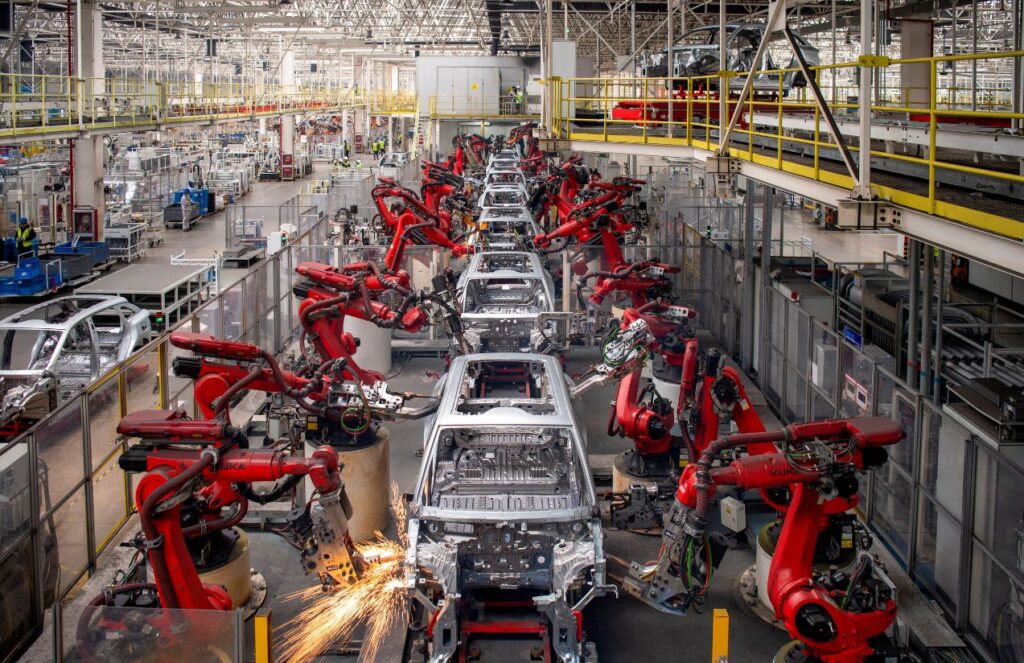
China is taking a giant step toward full automation in the automotive industry by planning what could become the world’s first car factory with no human workers, a concept known as a “dark factory.” In these facilities, robots equipped with artificial intelligence and computer vision handle everything, from assembling components to real-time quality control, without human intervention.
The goal is not just partial automation, but to build plants designed from the ground up to operate exclusively with machines, requiring no lighting, no breaks, and no downtime, running continuously around the clock. The combination of 3D sensors, AI, and autonomous control allows machines to place parts, adjust tolerances, and detect defects without constant supervision.


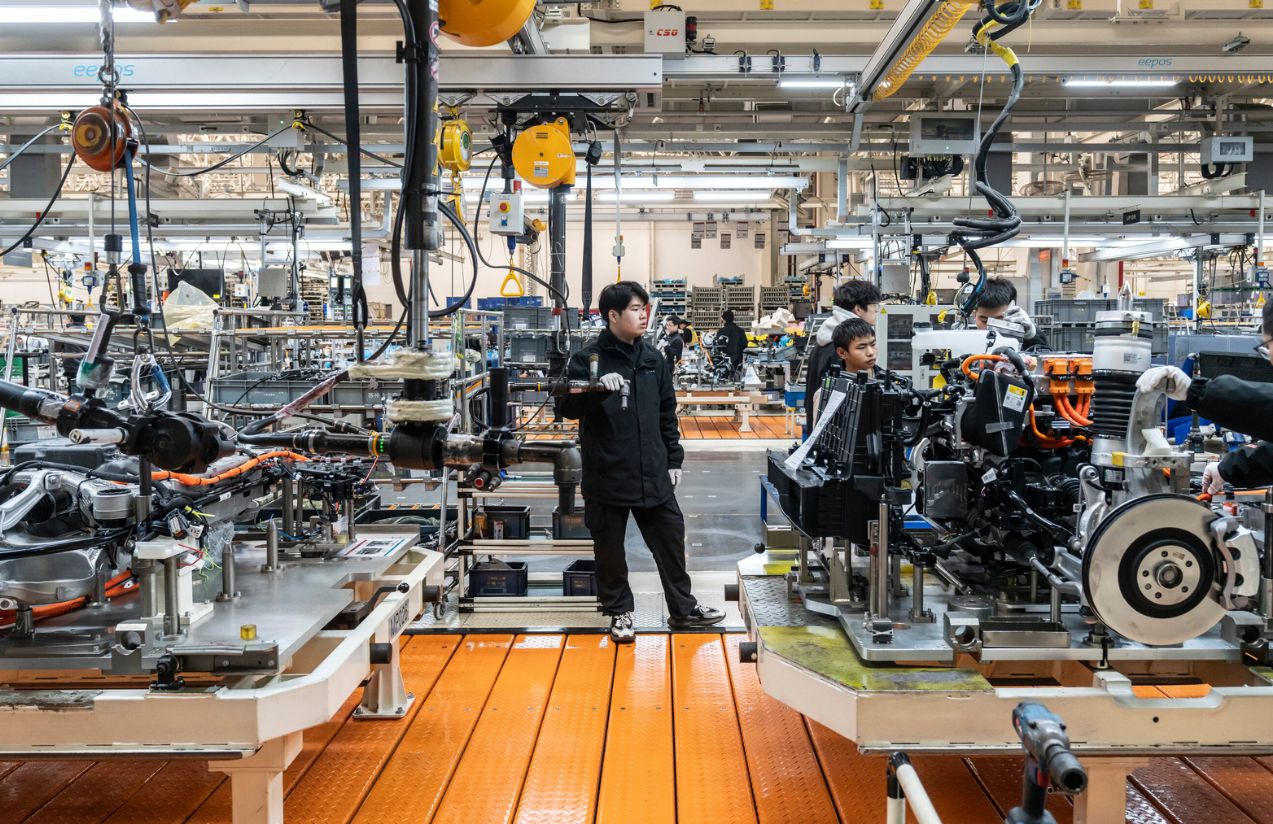

According to industry analysts, these factories could begin operating before 2030, representing a complete break from the traditional industrial model.
What would a factory like this mean for workers?
While automation may reduce traditional jobs, it could also create new technical roles in programming, maintenance, and the supervision of robotic systems.