




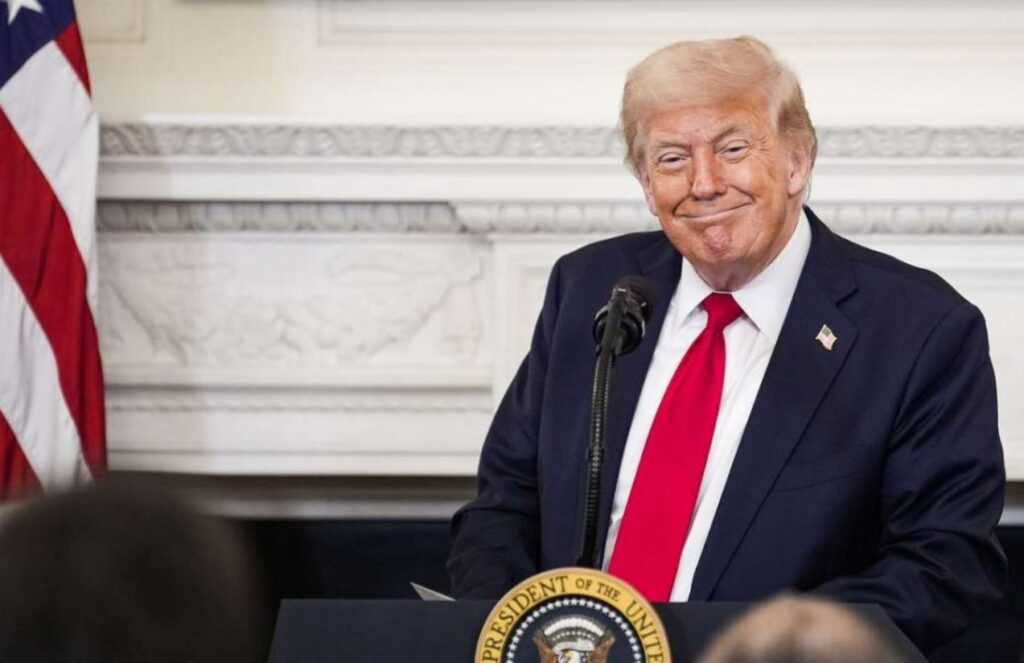
The administration of Donald Trump is in advanced talks to rescue Spirit Airlines, one of the country’s leading low-cost carriers, which is facing a potential financial collapse. The proposed plan could include around $500 million in support through government-backed loans and even a possible equity stake to stabilize operations.
The airline’s financial strain has intensified due to soaring fuel prices, partly linked to geopolitical tensions involving Iran, as well as ongoing supply chain disruptions and higher operational costs. Spirit has also struggled with debt obligations and competitive pressure from larger airlines, making recovery more challenging.


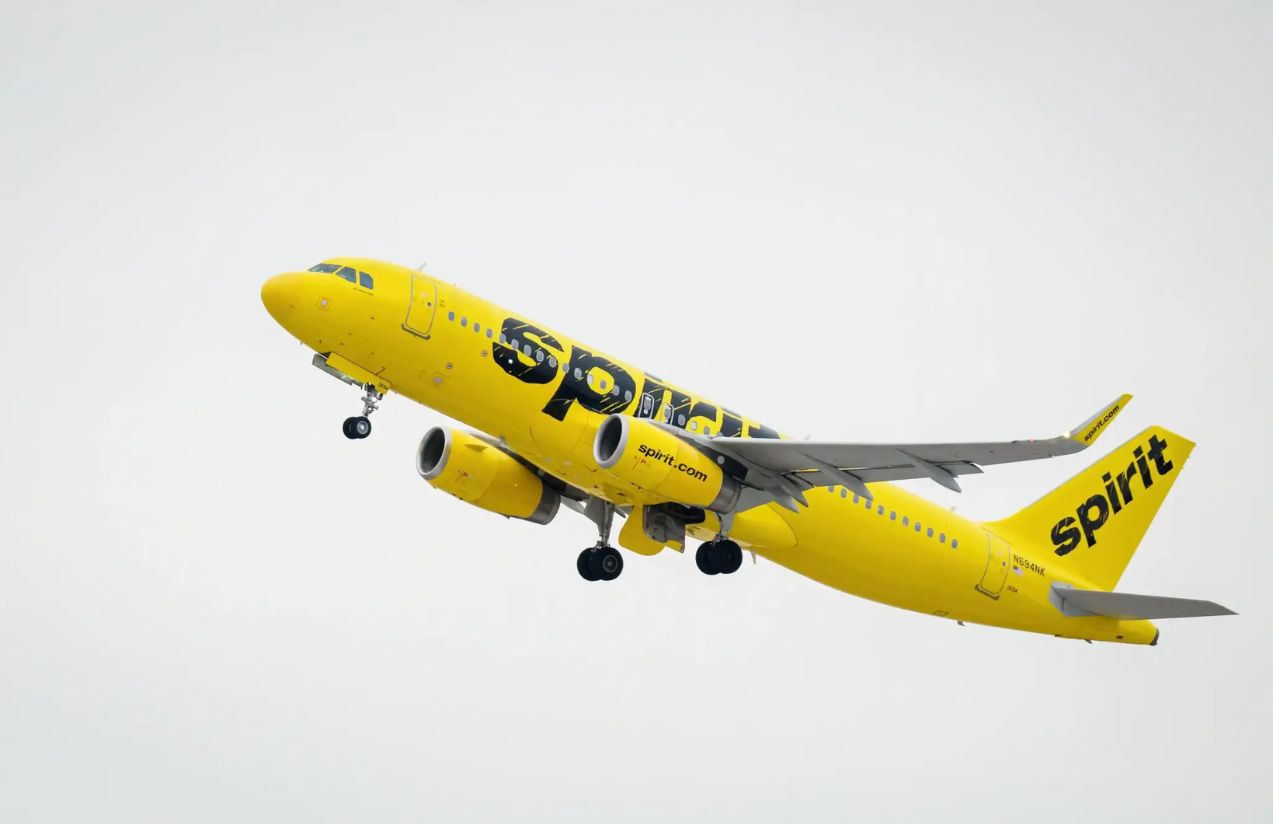

If approved, the bailout could help the company maintain routes, avoid mass layoffs, and restore consumer confidence. However, critics argue that such intervention may set a precedent for future corporate rescues in the aviation sector.
Why does the government want to intervene?
To prevent a collapse that could disrupt air travel, eliminate jobs, and reduce affordable options for millions of passengers.
As negotiations continue, a key question remains: will this rescue secure Spirit’s future, or only delay a deeper financial crisis?