




An old rocket associated with SpaceX is on course to collide with the Moon’s surface this August, an event that has captured the attention of scientists and astronomy enthusiasts around the world. Although the impact poses no danger to Earth, it could provide a unique opportunity to observe its effects from parts of South America, depending on visibility conditions.
Experts note that events like this are uncommon and offer valuable insights into how the lunar surface reacts to high-speed impacts. The data collected may also contribute to future space exploration and scientific research.
Read More


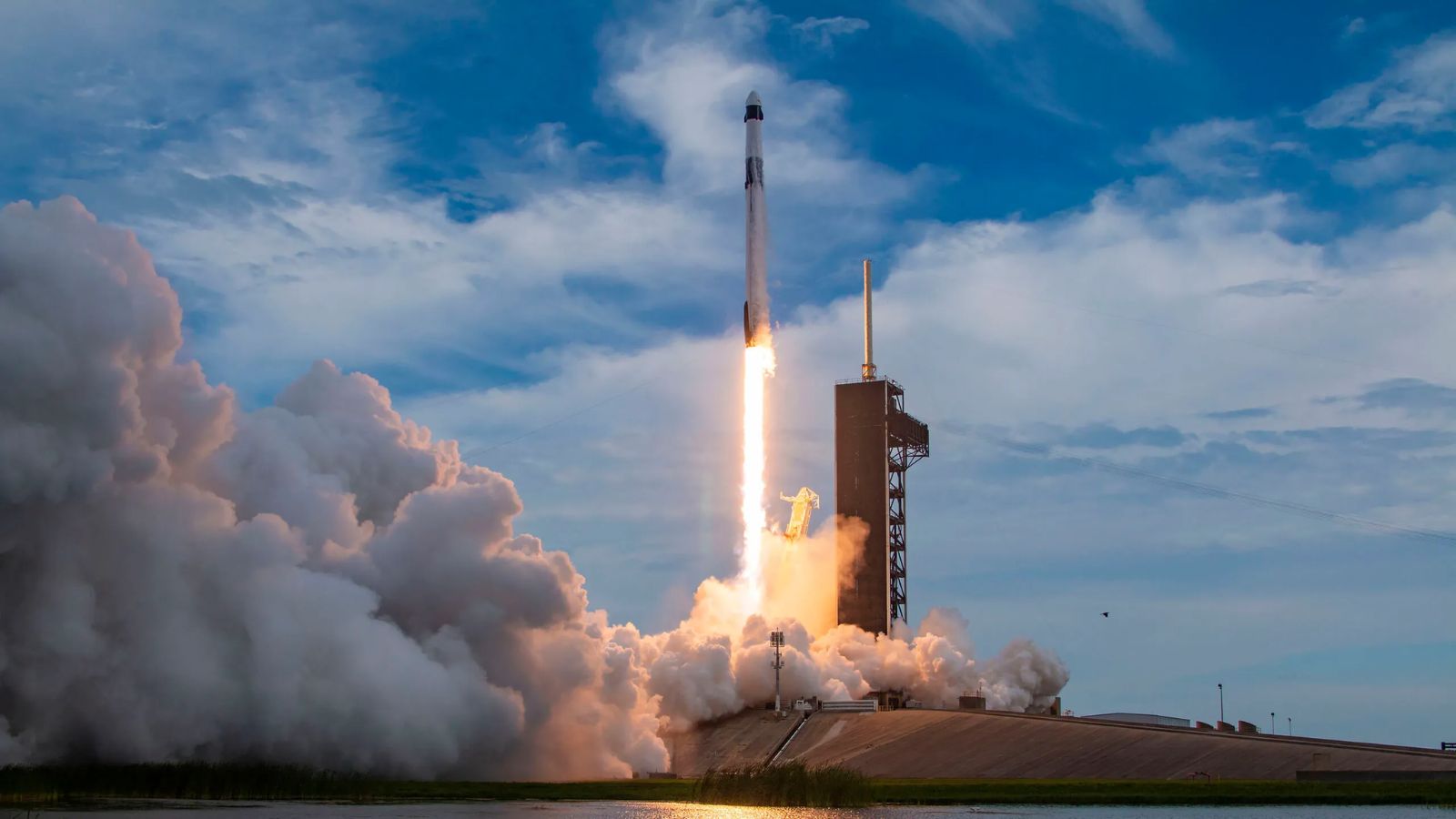

The Moon continues to serve as a natural laboratory for understanding the dynamics of celestial bodies and the objects left behind by space missions.
Will the impact be visible to the naked eye?
Not necessarily. Visibility will depend on the observer’s location, atmospheric conditions, and the exact timing of the impact. Telescopes or specialized equipment may be required to view it more clearly.