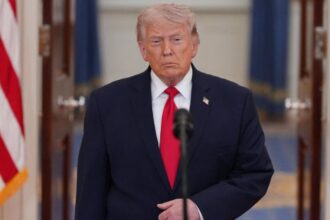



The recent United States attack on Venezuela, which included the capture of President Nicolás Maduro and a naval blockade on oil tankers, has raised concerns across global energy markets. Although oil prices had experienced a significant decline in recent years, this intervention could halt that trend and even lead to a rebound in crude prices.
Despite its reduced production in recent years, Venezuela holds the world’s largest proven oil reserves, with more than 300 billion barrels, a factor closely watched by markets when forecasting supply and demand shifts.
Read More

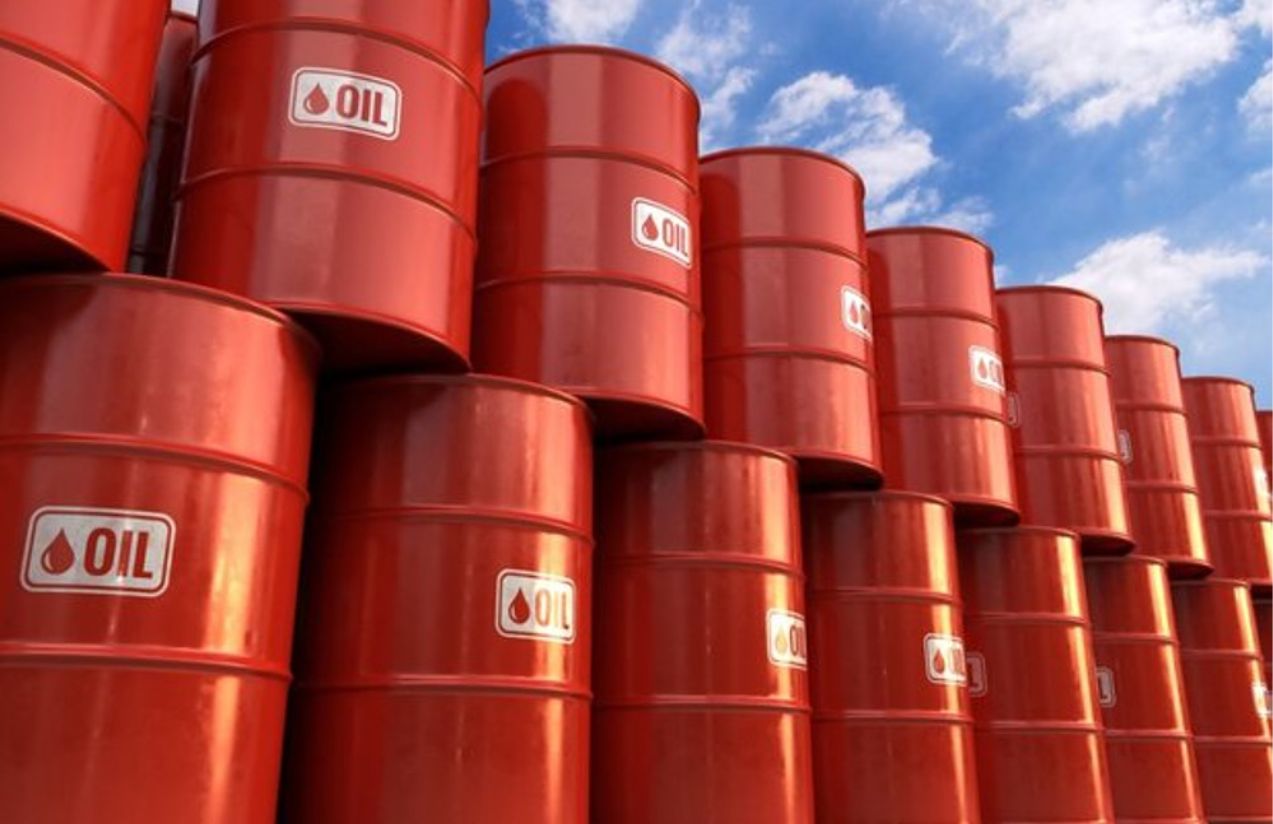
International experts warn that the disruption of Venezuelan oil exports, combined with sanctions and military actions, could reduce available supply and put upward pressure on prices. In scenarios of heightened geopolitical tension, the price of a barrel could climb to levels near $75 or higher, depending on how the situation evolves.
Why can a conflict in Venezuela affect global oil prices?
Because any reduction in oil supply or uncertainty surrounding a major producer leads markets to anticipate lower future availability, which tends to push oil prices higher worldwide.