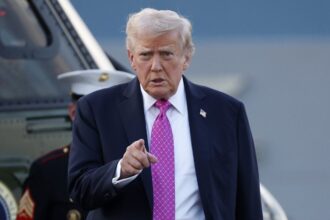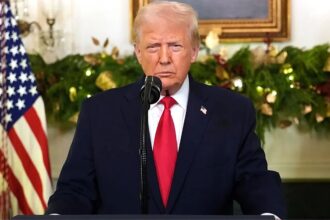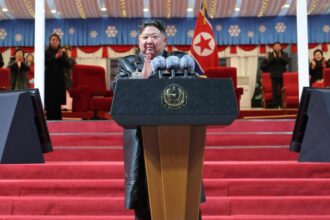



Recently, the former United States president Donald Trump once again fueled tensions with Venezuela after claiming that the South American nation “took away” oil rights that once belonged to the United States, and stating that his administration wants them returned.
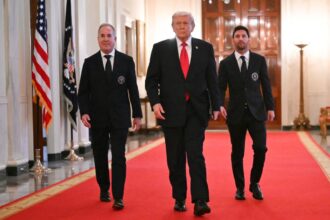
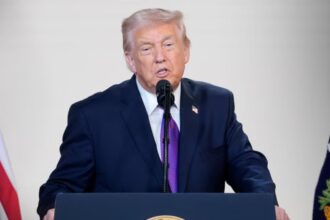
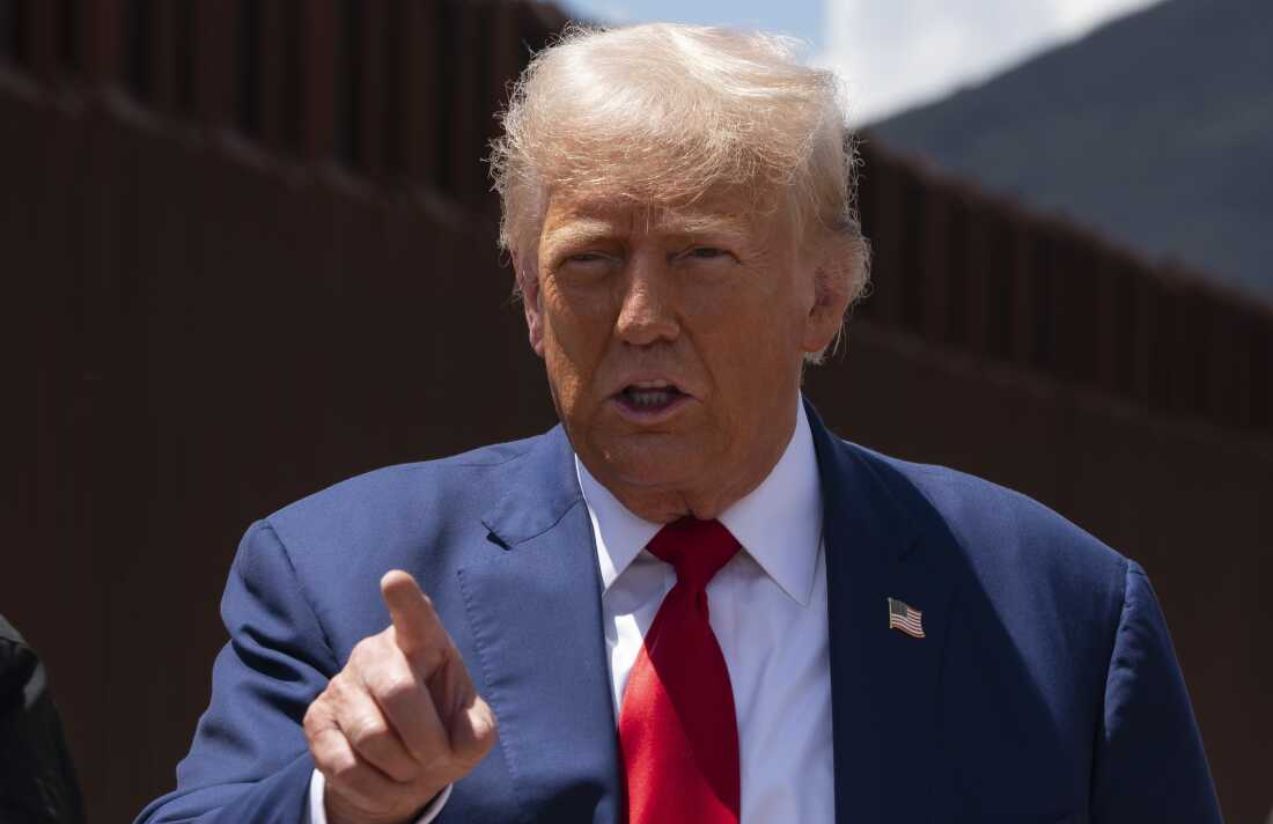
Speaking from Joint Base Andrews near Washington, Trump accused the government of Nicolás Maduro of illegally stripping U.S. companies of their energy interests. “They took all of our energy rights… they took our oil not that long ago. We want it back. It was taken illegally,” Trump said.
Read More
These remarks come amid heightened diplomatic and economic pressure between Washington and Caracas, following a United States order for a “total and complete blockade” of sanctioned oil tankers entering and leaving Venezuela. The move, according to U.S. officials, is intended to tighten pressure on the Maduro government and limit alleged illicit activities financed by oil revenues.
Venezuelan authorities rejected Trump’s statements, calling them an attack on national sovereignty, while insisting that oil exports continue to operate normally despite international sanctions.
The controversy revives a long-standing dispute that dates back to the nationalization of Venezuela’s oil industry, when foreign companies, including several U.S. firms, were forced to exit the country or renegotiate their operations.
Can the United States legally reclaim oil rights in Venezuela?
The short answer is no. Under international law, natural resources belong to the sovereign state where they are located. While companies may pursue compensation through international arbitration for past investments, no country can claim ownership over another nation’s oil reserves.