
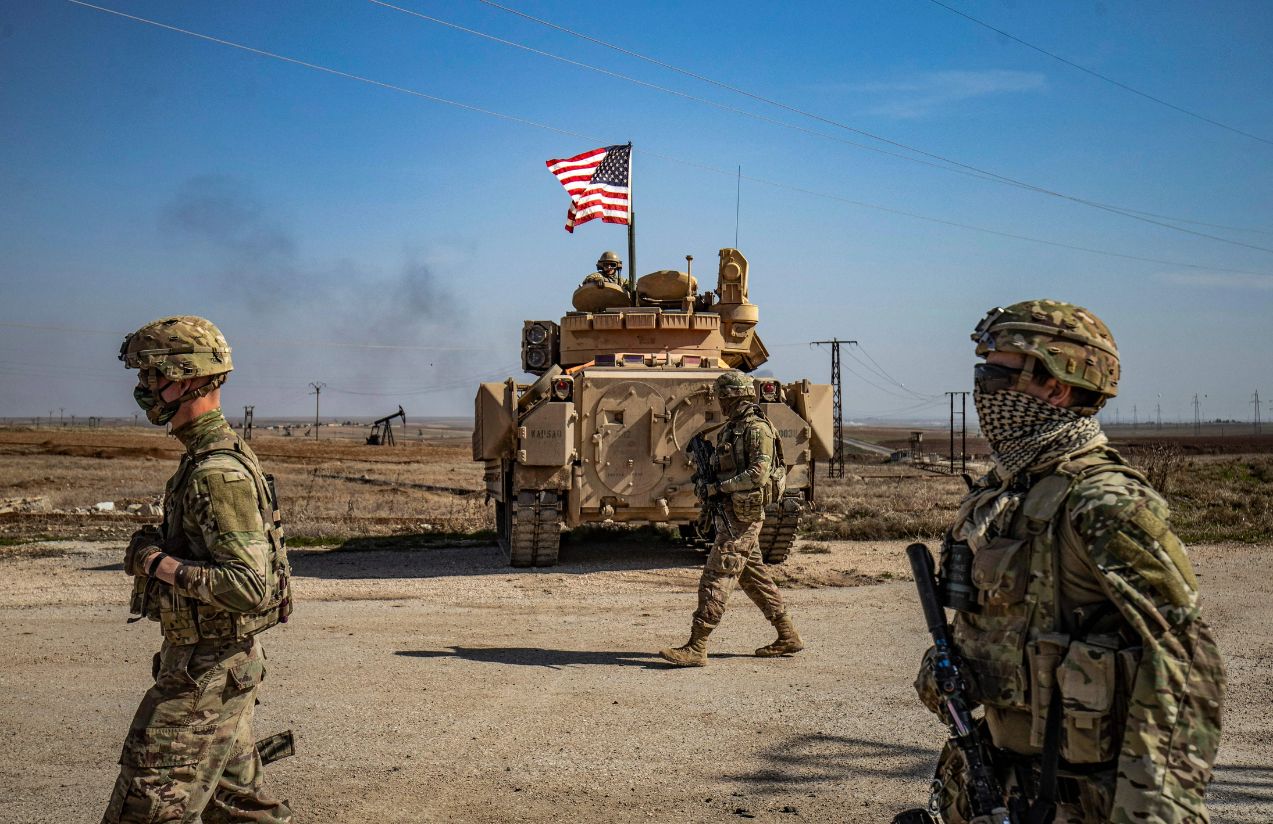

Tensions in the Middle East continue to rise after the government of the United States announced the deployment of troops and military resources aimed at securing and regaining strategic control of the Strait of Hormuz, one of the most important maritime routes for global oil transportation.
The move comes amid an escalating regional crisis and after several incidents that have threatened the passage of oil tankers through the area. The strait, located between Iran and Oman, plays a critical role in the global energy market, as a significant portion of the world’s crude oil shipments passes through its waters every day.
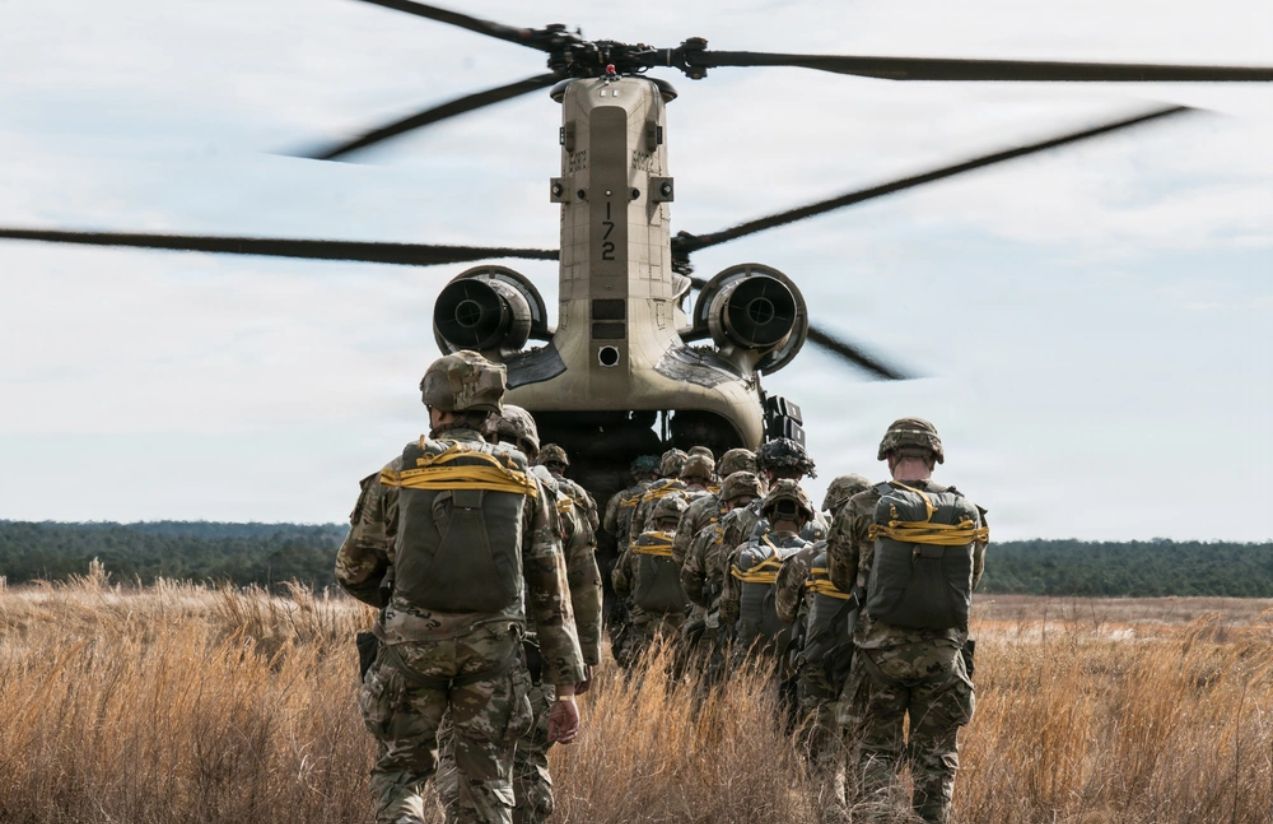
United States officials said the deployment aims to protect international shipping lanes and prevent disruptions to the global energy supply. However, the decision has also raised concerns among analysts and international observers about the possibility of a broader military escalation in the region.
Experts warn that any conflict in this strategic corridor could quickly impact oil prices and global economic stability.
Why is the Strait of Hormuz so important?
Because it is one of the world’s most critical oil transit routes. A large percentage of the global oil supply passes through this narrow waterway every day, connecting major oil-producing countries in the Persian Gulf with markets in Asia, Europe, and North America. Any disruption in the strait can quickly affect global oil prices, international trade, and energy security worldwide.