

Home Health Small but mighty: How probiotics and simple habits can transform children’s digestive health
HealthInspiration

Small but mighty: How probiotics and simple habits can transform children’s digestive health

Share
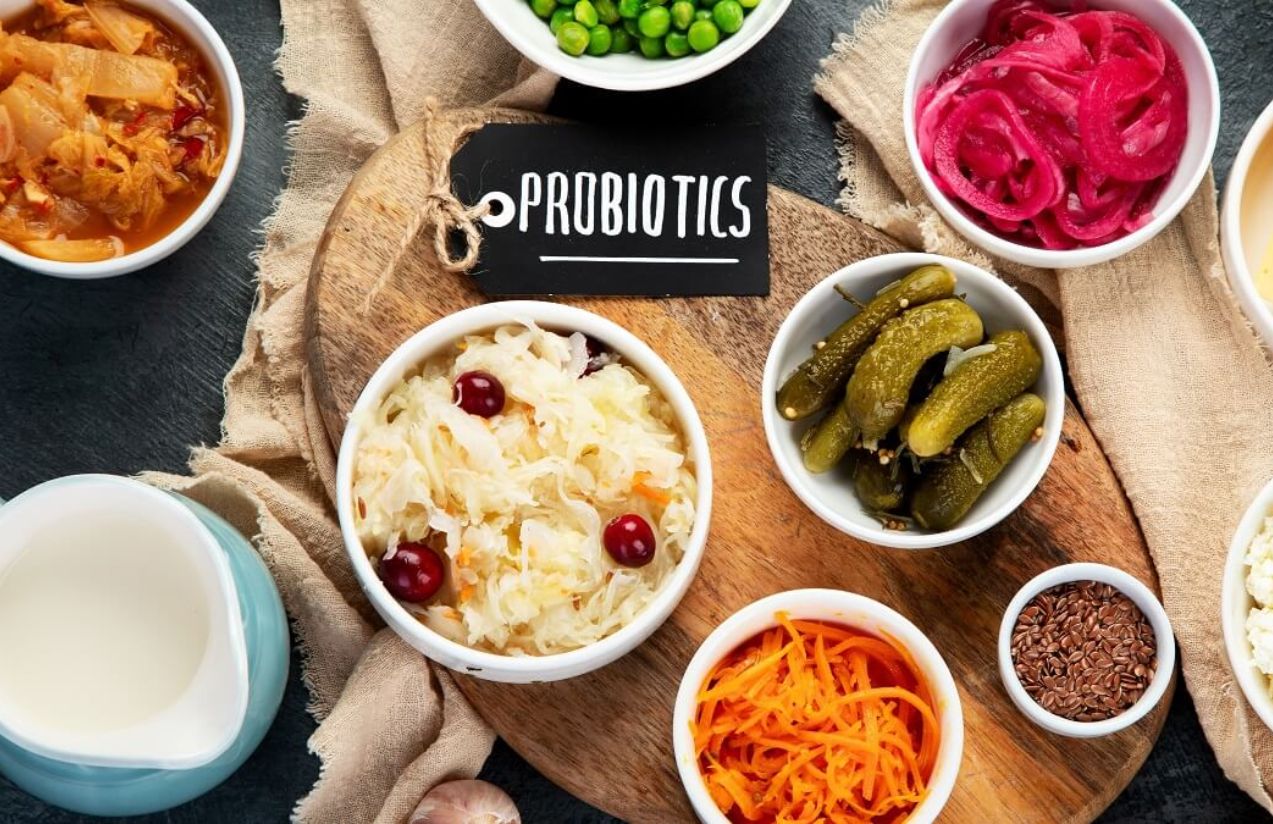
A kitchen table with some healthy foods and a small label on the side that says “Probiotics.”
Share

Ensuring that a child’s diet is nutritious, tasty, and friendly to their digestive system is no easy task. The tiny organisms living in their intestinal tract are still developing, and conditions like irritable bowel syndrome, characterized by abdominal pain, bloating, gas, or irregular bowel movements, affect up to 15% of the pediatric population.

To manage these discomforts without resorting to unnecessary restrictive diets, a holistic approach takes center stage. Key recommendations include effective stress management, maintaining a regular sleep routine, identifying potential trigger foods, and encouraging daily physical activity. These habits not only support proper digestive function but also boost children’s overall well-being.

Within this framework, specific probiotics emerge as valuable allies. Strains such as Bifidobacterium longum 35624® have been shown to ease symptoms like bloating, diarrhea, or abdominal pain, greatly improving the quality of life for both children and their families. However, not all probiotics are the same: it is essential to choose those with solid evidence of safety and effectiveness in children.
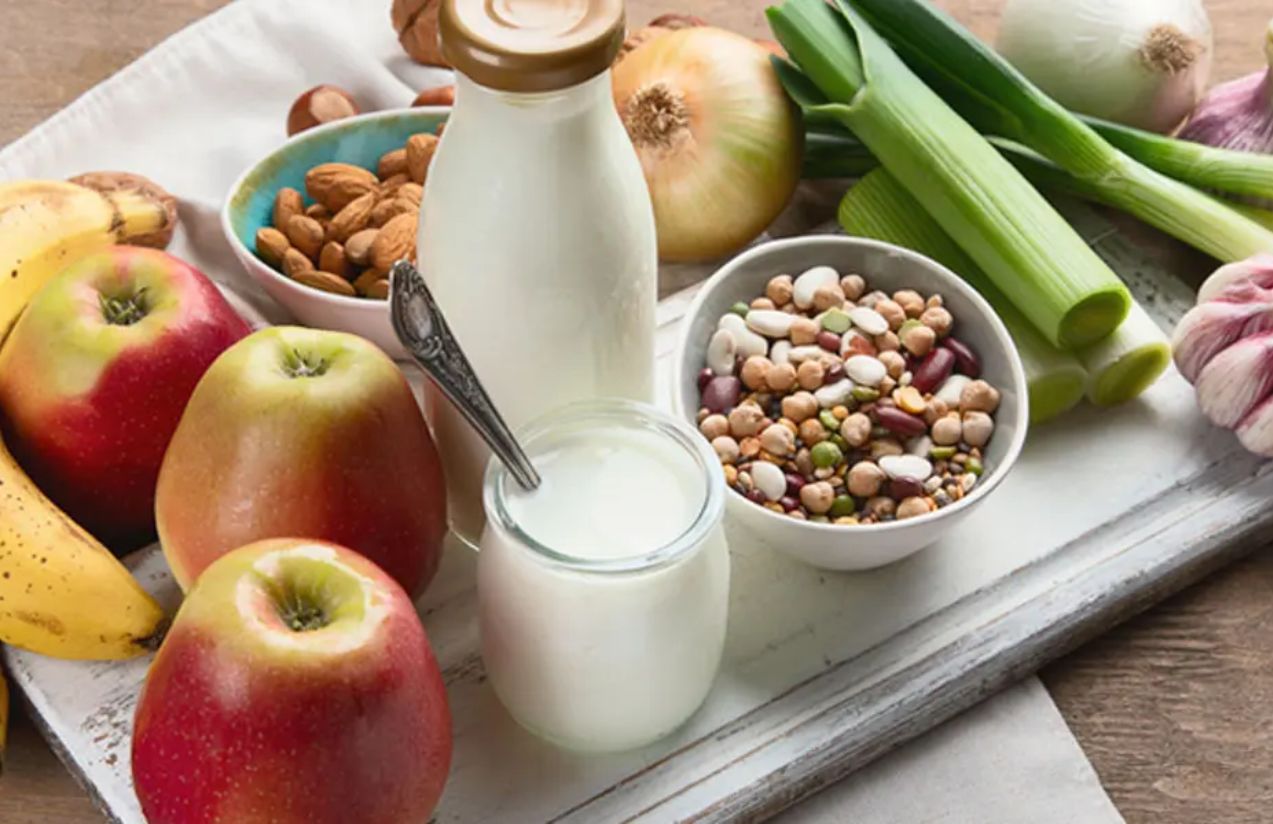
Small but mighty: How probiotics and simple habits can transform children’s digestive health

Equally important pillars include ensuring a balanced diet (without removing foods like gluten or lactose unless truly necessary), staying well-hydrated, avoiding sedentary habits, and seeking medical advice if symptoms persist or interfere with the child’s daily life.

So, are probiotics the ultimate solution for children’s digestive issues?

Not entirely. Probiotics can be a very effective tool within a comprehensive approach, but they do not replace a balanced diet, healthy routines, or professional supervision. Their benefits are maximized when they are part of an overall healthy lifestyle tailored to each child’s specific needs.


Share

Popular this week

Cristiano Ronaldo dazzles at the White House and receives praise from Trump

Today, Cristiano Ronaldo once again shone off the field, as he was one of the guests of honor at a gala dinner at...

Magnesium L-Threonate: The supplement science highlights as key for better sleep

Recent research cited by the National Institutes of Health (NIH) shows that not all types of magnesium have the same effect on sleep....

Costco recalls caesar salad and chicken sandwich due to possible plastic contamination

Costco has issued an urgent recall for two of its popular refrigerated items: the Caesar Salad (item #19927) and the Chicken Caesar Salad...

Portugal falters, hesitates, and delays its road to the 2026 World Cup

Yesterday, the Portugal national football team endured a bitter night after falling 2–0 to Ireland, a result that forces the Portuguese side to...

Related Articles

Magnesium L-Threonate: The supplement science highlights as key for better sleep

Recent research cited by the National Institutes of Health (NIH) shows that...

5 proven benefits of Vitamin D for the heart, brain, and muscles

Vitamin D, often called the “sunshine vitamin,” does much more than support...

United States reports its first human infection with the H5N5 avian flu variant

The Washington State Department of Health has confirmed the first human case...

Watercress crowned the healthiest vegetable in the world

A recent analysis conducted by the U.S. Centers for Disease Control and...