




A group of researchers in the United States has identified a scientific clue that could change the way Colon Cancer is detected in its early stages. The discovery suggests that certain biomechanical changes in colon tissue, such as increased stiffness, may appear even before tumors begin to form.
According to the study, published in the journal Advanced Science, scientists observed that younger patients with colorectal cancer tend to have stiffer colon tissues compared to other groups. This condition could create an environment that favors the development of the disease while also serving as an early warning signal for doctors.
Read More


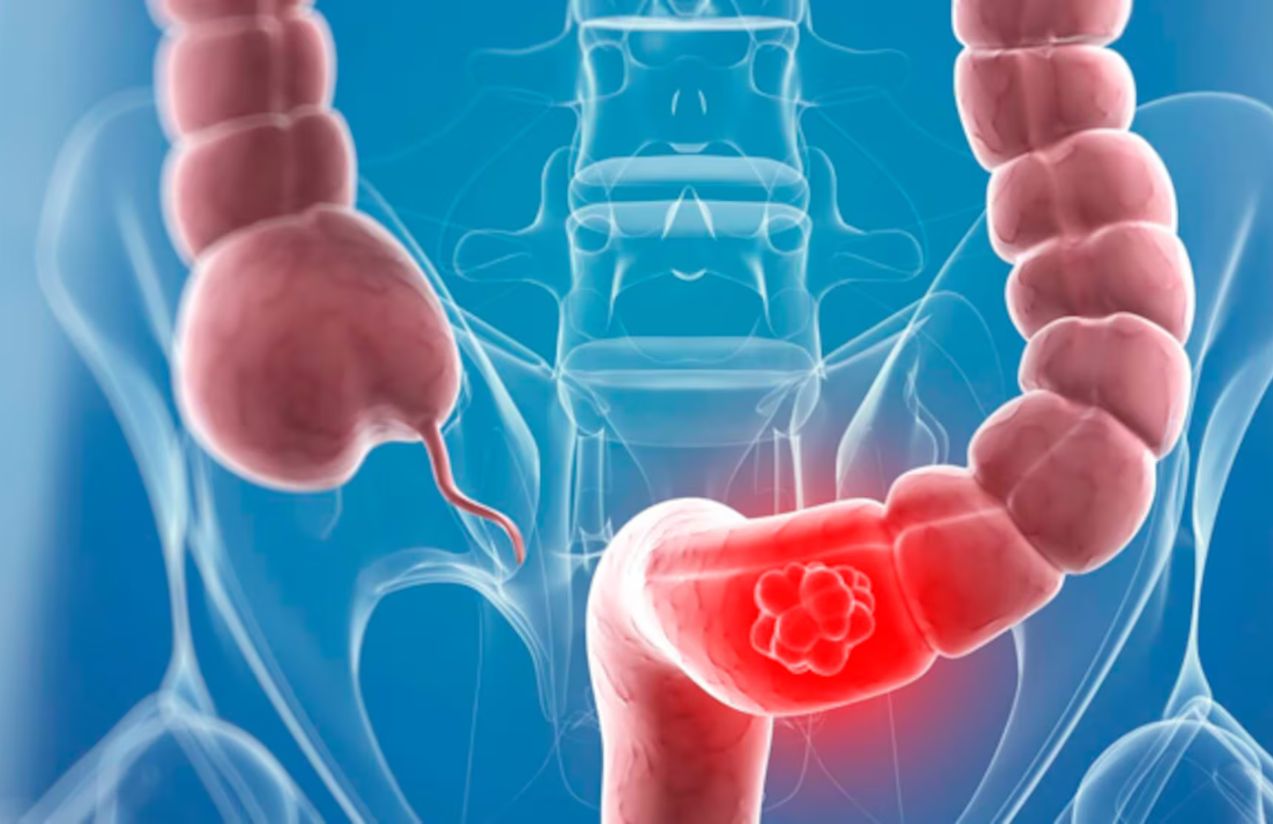

The discovery is particularly important because cases of colon cancer among younger adults have been rising in recent years, raising concerns within the medical community. Identifying early indicators could help scientists develop new diagnostic tools and screening methods that detect the disease sooner.
Experts say that although more research is still needed, this finding could open the door to more accurate and earlier detection methods, which may significantly improve treatment outcomes.
Why could this discovery change how colon cancer is diagnosed?
Because stiffness in colon tissue could become an early marker of risk, allowing doctors to identify potential cancer development before tumors are visible. This could lead to new medical tests that detect the disease much earlier, increasing the chances of successful treatment and saving more lives.