




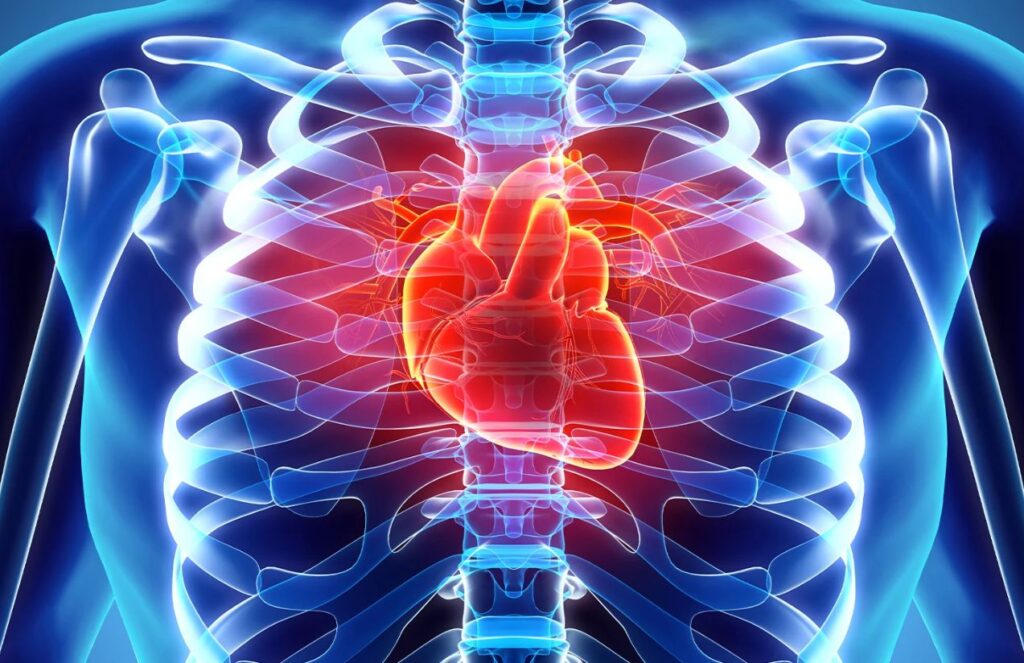
Science is once again highlighting something often underestimated: what we eat can make the difference between a healthy life and a high risk of cardiovascular disease. New research has identified three key pillars in the diet that help protect the heart, along with one factor that can be especially dangerous if not controlled.
First is the consumption of whole grains, which are associated with a lower risk of heart disease thanks to their high fiber content. Second, fruits and vegetables, especially leafy greens and those rich in vitamin C, play a fundamental role in strengthening arteries and providing essential antioxidants. Finally, maintaining a diet rich in natural, minimally processed foods enhances these benefits and helps reduce cardiovascular mortality.
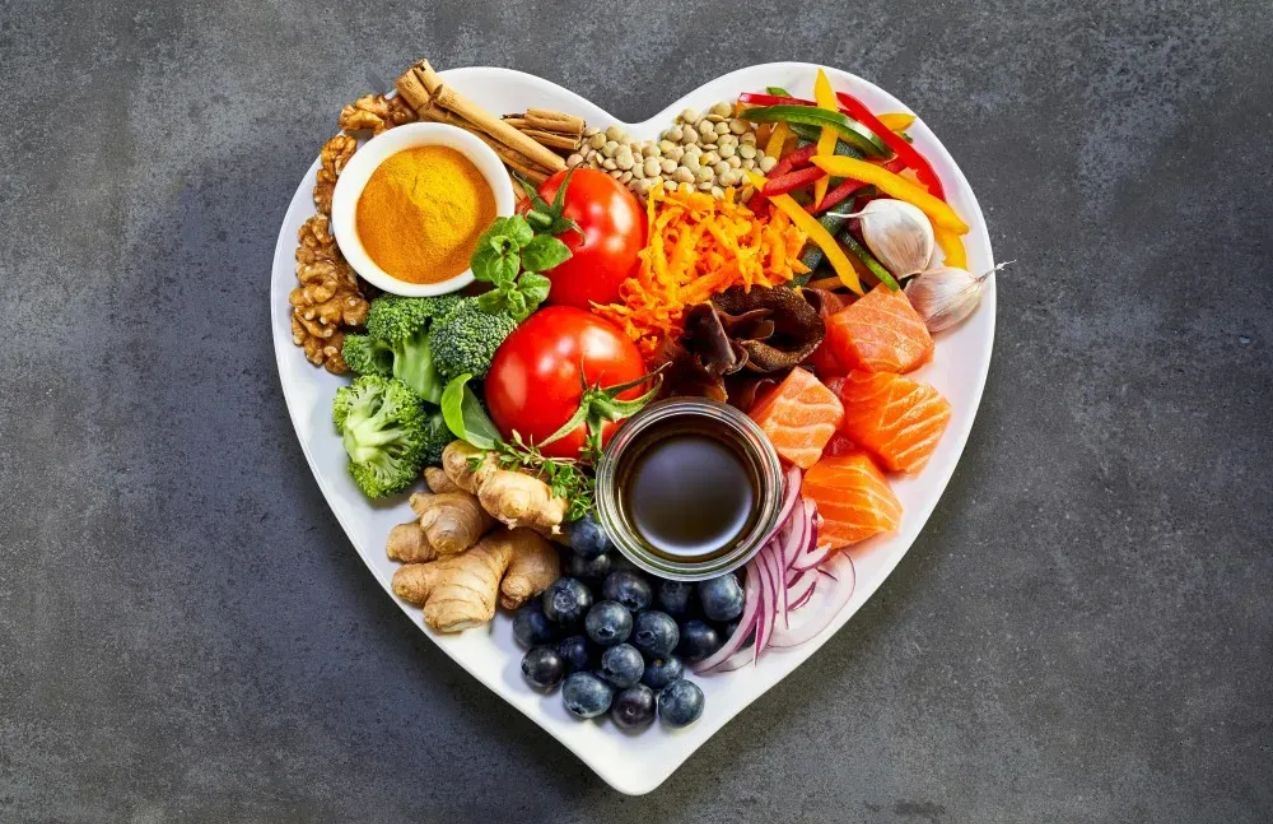

However, there is one clear enemy: excess sodium. Adding too much salt to meals can significantly increase the risk of heart problems and even premature death.
Experts also recommend avoiding ultra-processed foods, sugary drinks, and processed meats, as they are directly linked to cardiovascular issues.
What is the key to taking care of your heart according to science?
Maintaining a diet rich in natural foods like fruits, vegetables, and whole grains, while limiting salt and processed products. The conclusion is clear: small changes in diet can have a huge impact on heart health in the long term.