

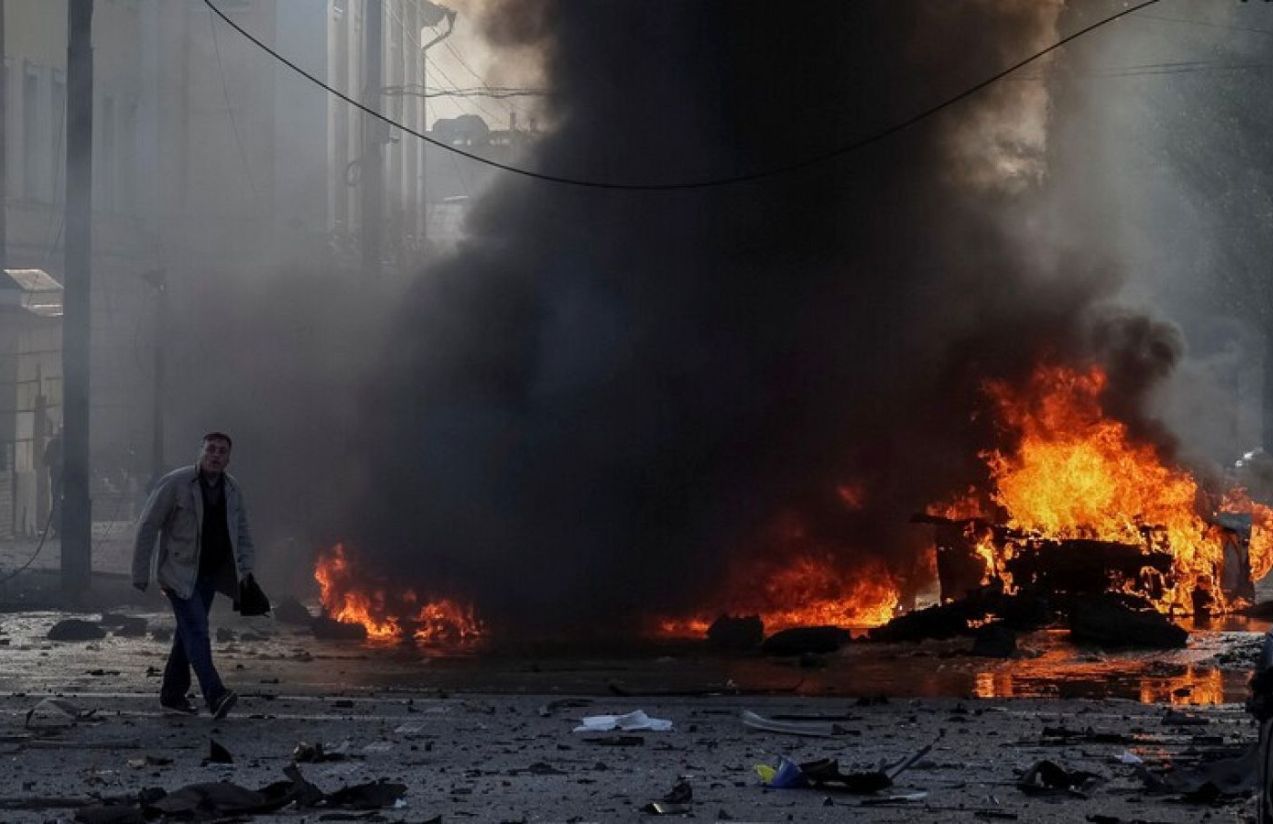

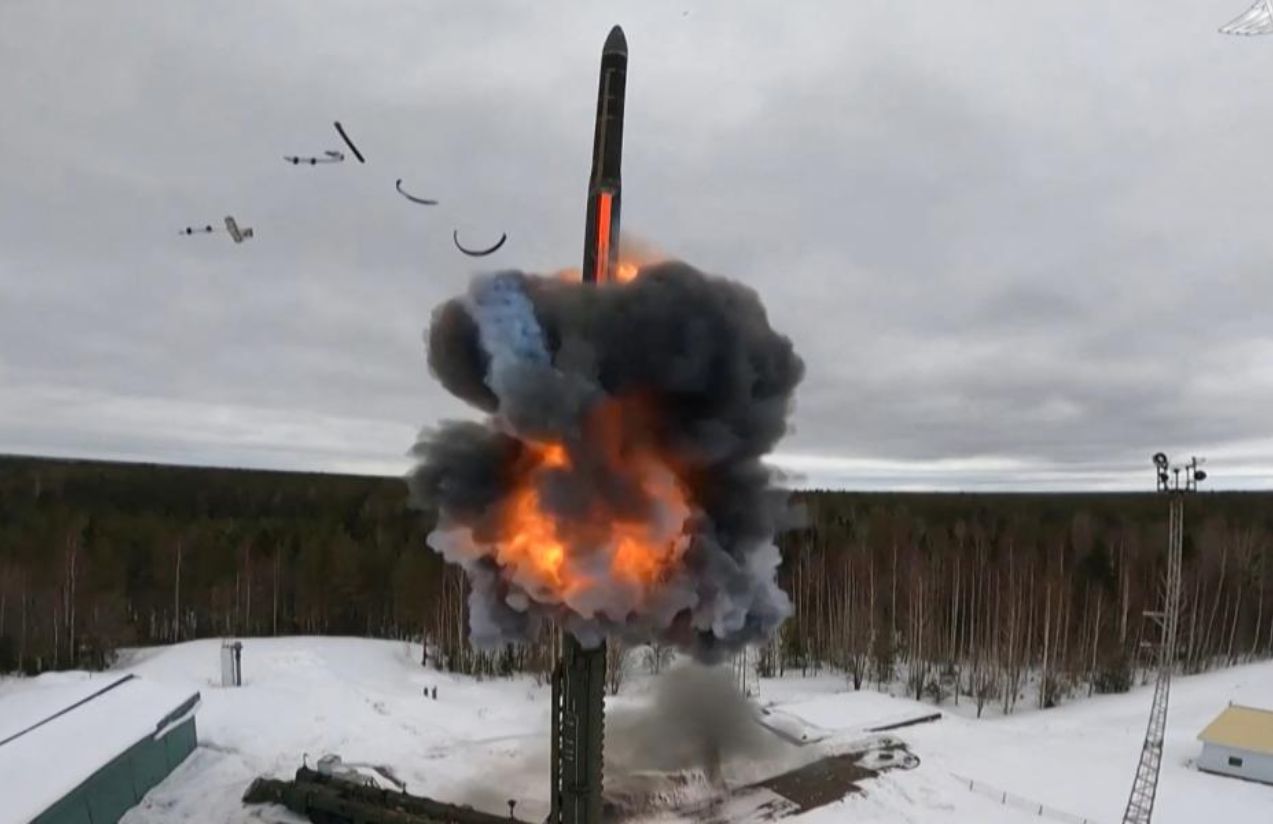
Recently, Russia has confirmed the use of its new Oreshnik hypersonic ballistic missile in an attack on critical infrastructure in Ukraine, specifically in the Lviv region, near the European Union border. Moscow stated that the strike was carried out in retaliation for an alleged Ukrainian attack on one of President Vladimir Putin’s residences in late December, a claim that Kyiv and the United States have denied.
The Oreshnik, described as one of the most advanced missiles in Russia’s arsenal, can travel at extreme speeds and is capable of carrying conventional or nuclear warheads, making it a significant strategic threat to targets within its range.
Read More

In the same offensive, Russia also deployed drones and other long-range missiles, damaging energy infrastructure and civilian areas across several regions of Ukraine, including the capital, Kyiv, where at least four deaths and dozens of injuries were reported.
Could the use of the Oreshnik missile bring the war closer to Europe and NATO?
Yes. The proximity of the strikes and Moscow’s strategic messaging have raised international concern and calls for coordinated action to prevent further escalation.