

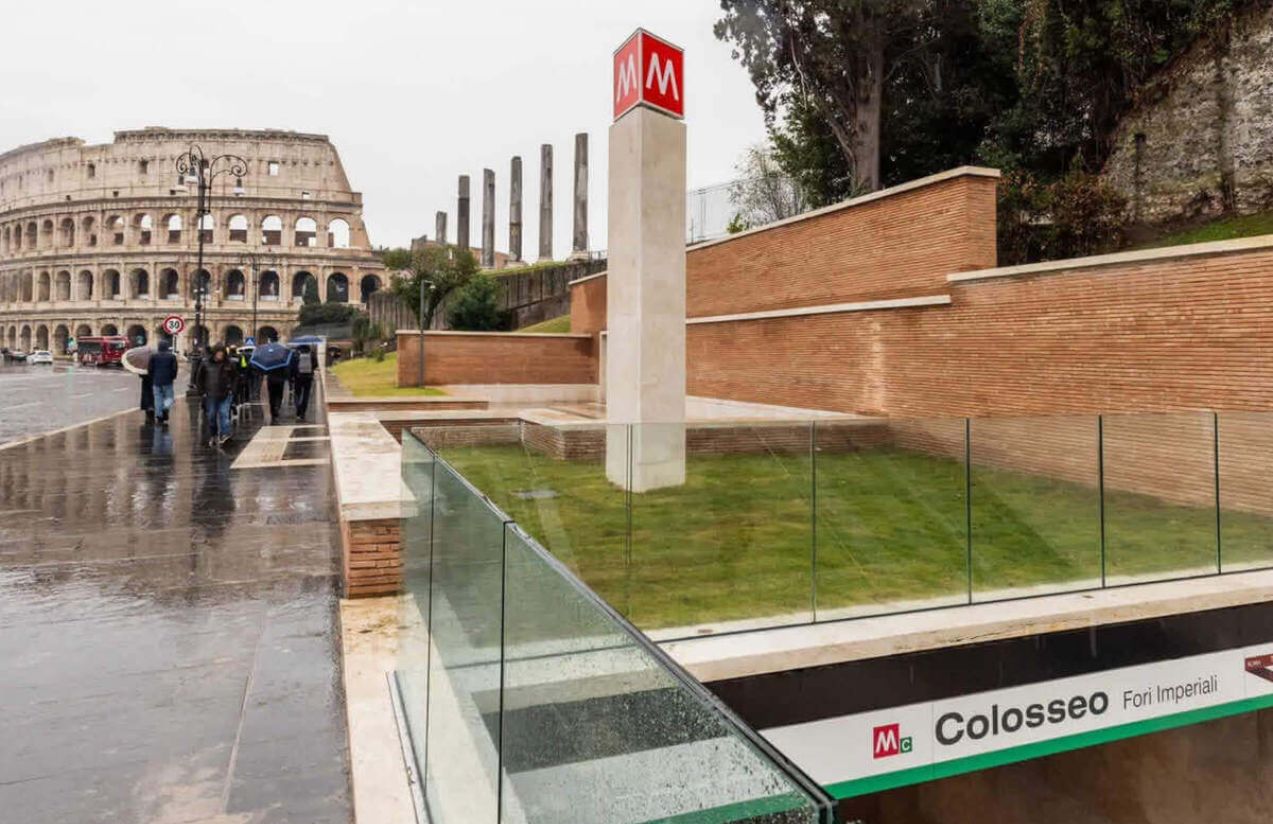

Rome has taken a historic step in its transportation system with the inauguration of two new stations on Metro Line C, excavated in the very heart of the city’s archaeological core, including one located beneath the iconic Colosseum. The opening of these stops not only improves urban mobility but also turns a daily commute into a unique cultural experience.
The station next to the Colosseum, known as Colosseo–Fori Imperiali, partially functions as an underground museum where commuters and visitors can see ancient artifacts uncovered during excavations, such as ceramic vessels, stone wells, and remains of Roman-era baths. Informational panels explain the excavation process and place the discoveries in historical context.

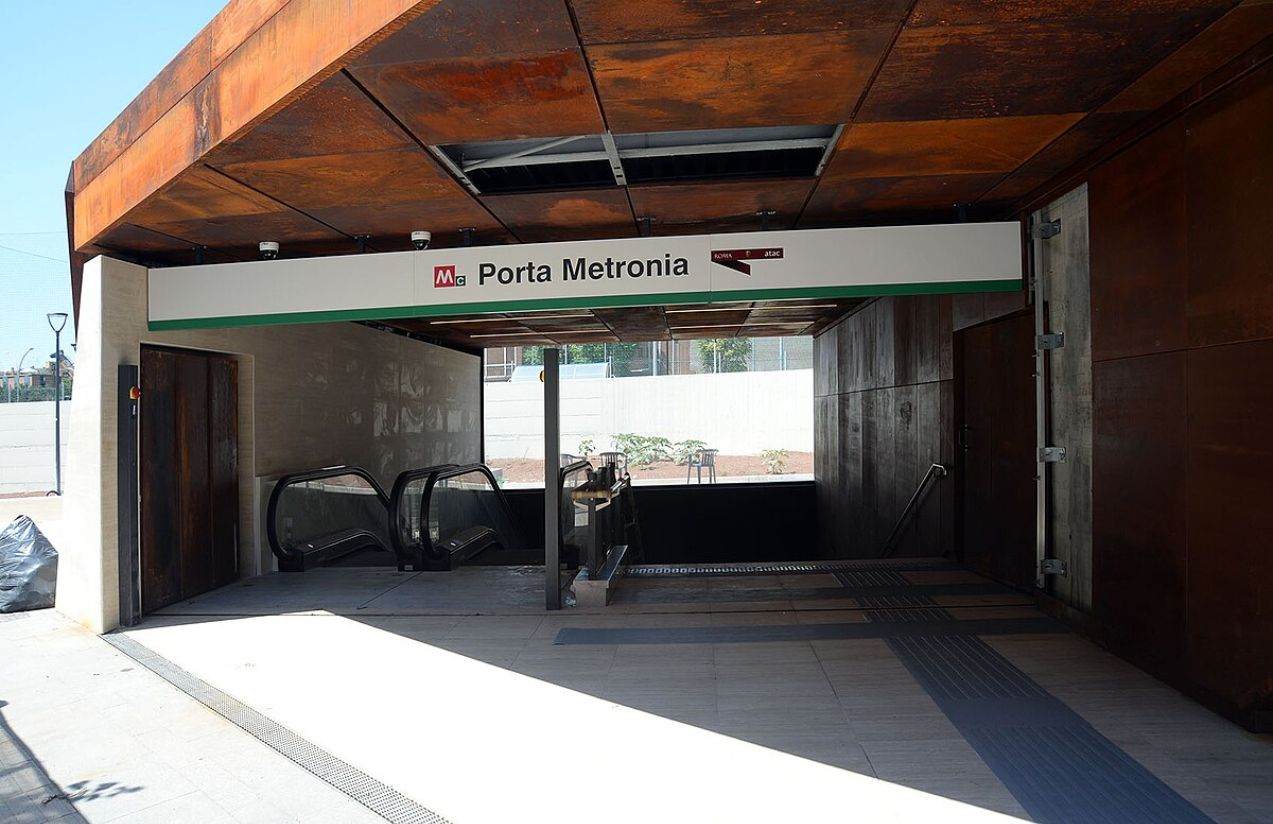
The second station, Porta Metronia, located nearby at a depth of around 30 meters, revealed a 2nd-century military barracks as well as residential remains with frescoes and mosaics. Authorities plan to display many of these findings in a future museum integrated into the station itself.
These stations are part of an ambitious infrastructure project that required special construction techniques to protect archaeological layers, including ground-freezing methods and temporary containment structures.
Why is this development so significant for Rome?
Because it not only enhances public transportation, but also celebrates and preserves the city’s cultural heritage, allowing millennia-old history and 21st-century urban life to coexist underground in a way rarely seen anywhere in the world.