
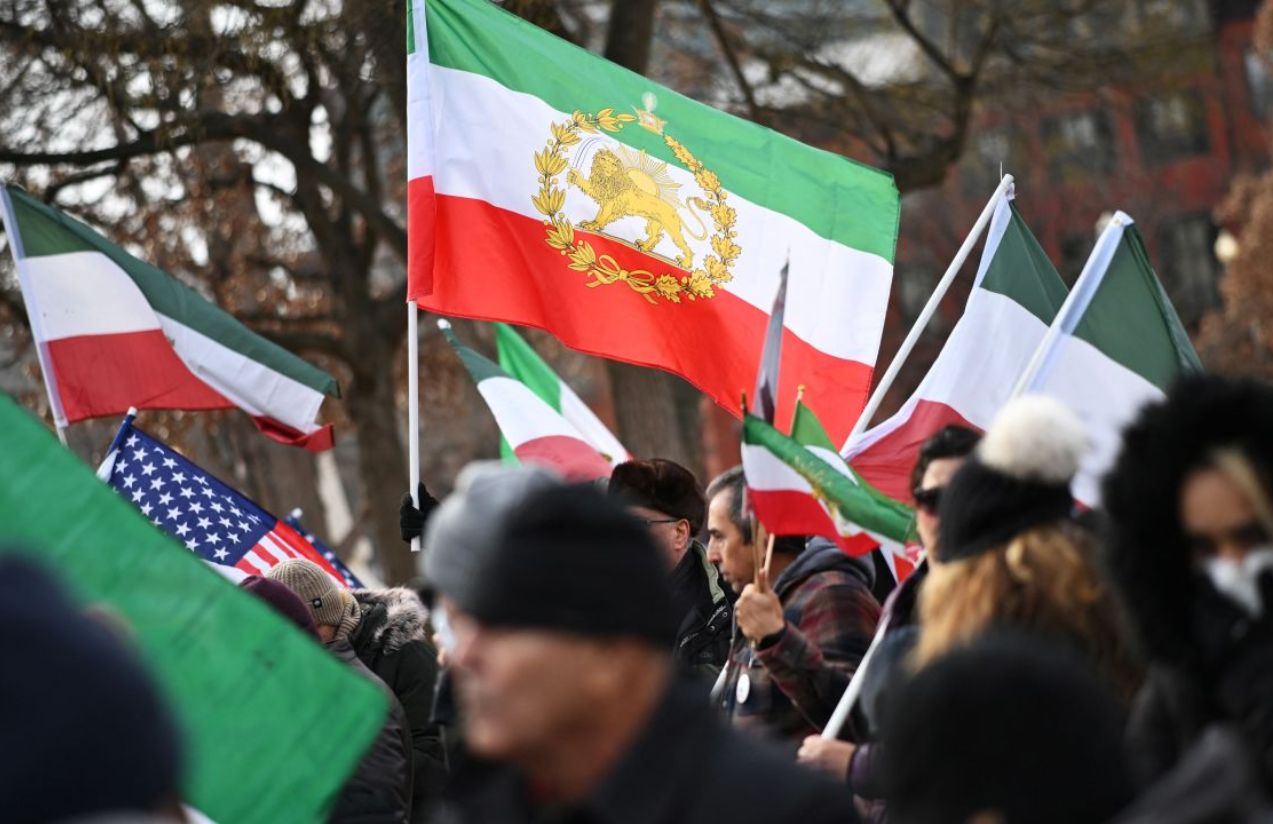

Recently, Anti-government protests in Iran, which began on December 28, 2025, have left at least 192 demonstrators dead, according to the NGO Iran Human Rights, while the government maintains an internet blackout that has now exceeded 60 hours. This measure has made it difficult to verify figures and communicate with the outside world, raising fears that government repression is intensifying without international visibility.
The demonstrations were initially triggered by the economic crisis, rising living costs, and the sharp devaluation of the national currency, but they quickly evolved into a broader movement against the theocratic regime that has ruled Iran since 1979. Security forces have reportedly used lethal force and carried out mass arrests, according to human rights groups, while hospitals are said to be overwhelmed by the number of victims.
Read More

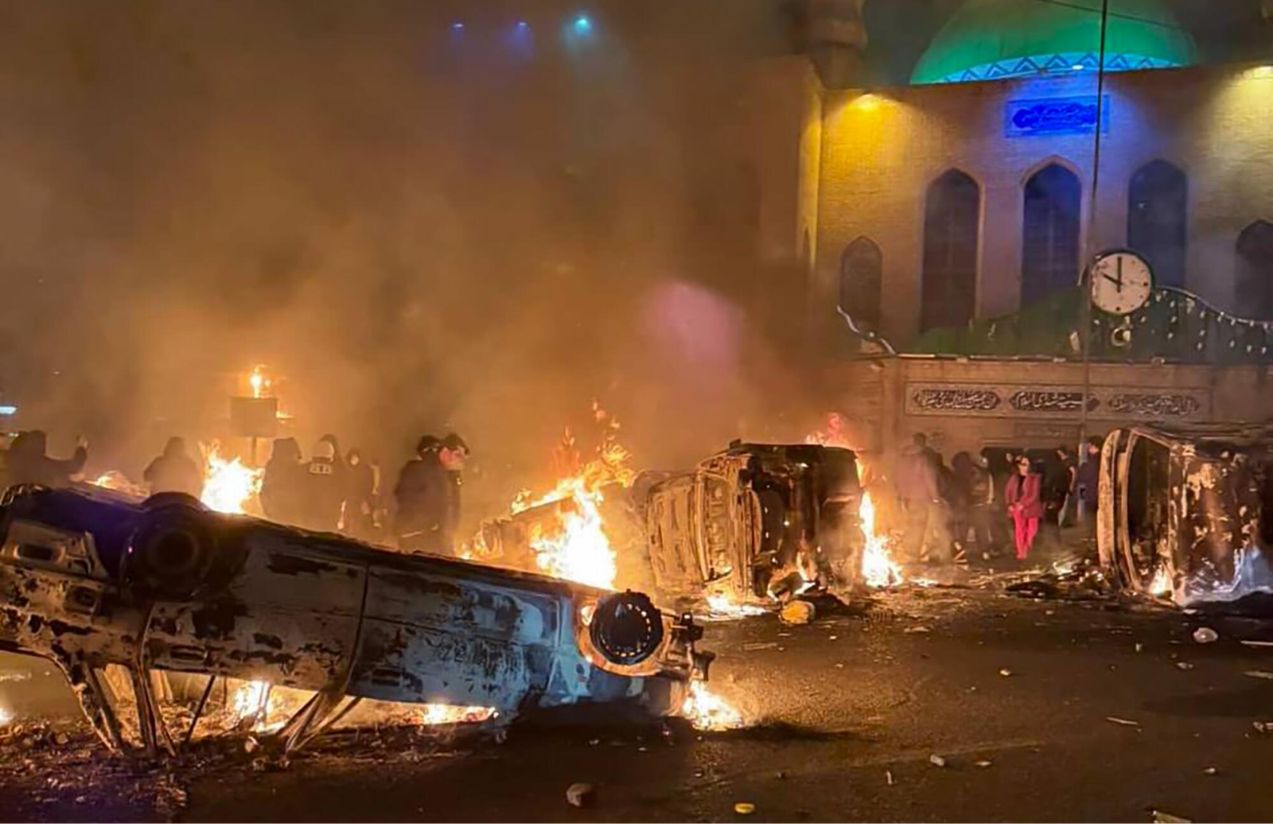
International organizations and human rights advocates have condemned the blackout as a tactic to hide serious human rights violations and have called for restraint and respect for peaceful protests.
Is the internet shutdown hiding the true scale of the repression?
Yes. Experts and NGOs warn that without internet access or free communications, it is extremely difficult to confirm casualties and report abuses, allowing the crisis to worsen without external oversight.