

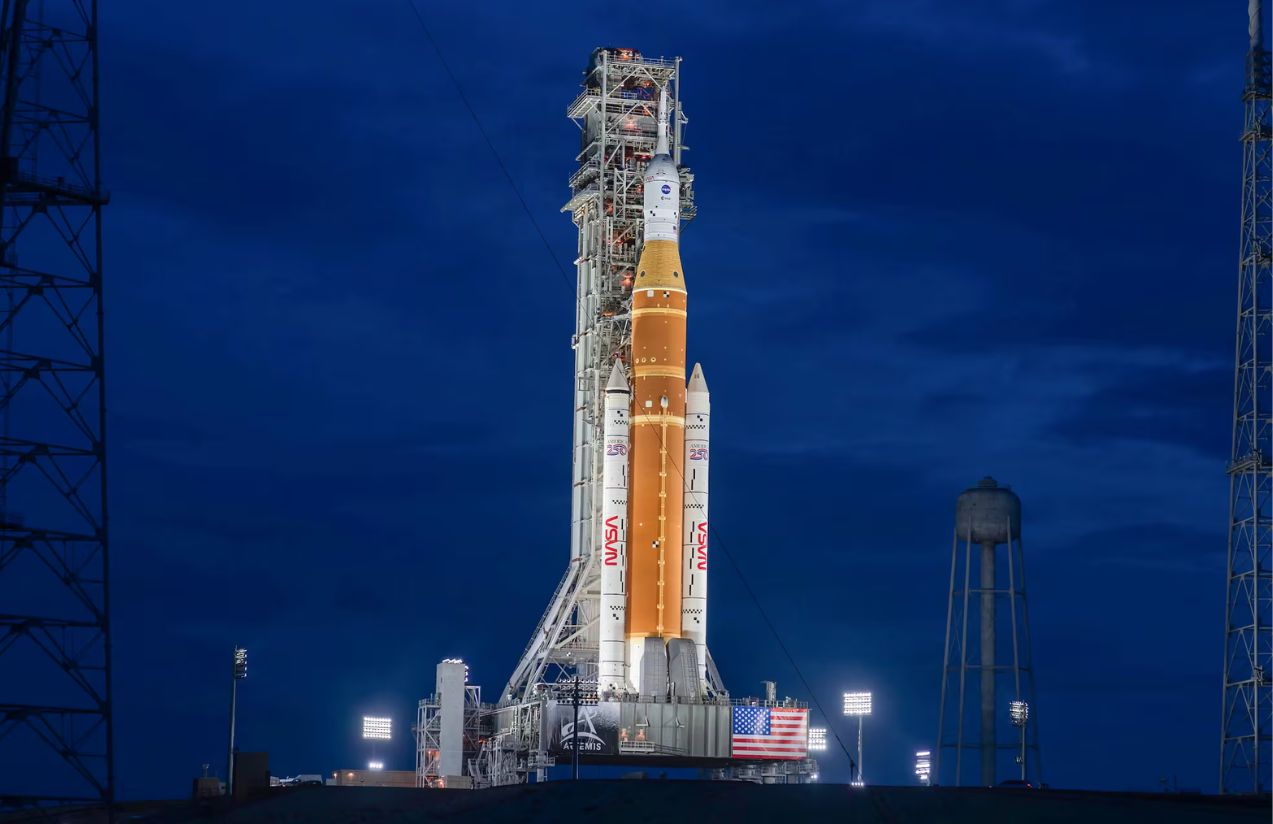

NASA announced major changes to its ambitious Artemis program, confirming that the long-awaited return of astronauts to the lunar surface will be postponed while additional tests and technical adjustments are carried out. The space agency aims to strengthen safety measures and optimize systems before executing a crewed landing.
Under the new schedule, two lunar missions are planned for 2028, but a test mission in low Earth orbit will take place first to validate key technology and ensure all components function properly. This move is part of a broader strategy to minimize risks and guarantee the project’s success.

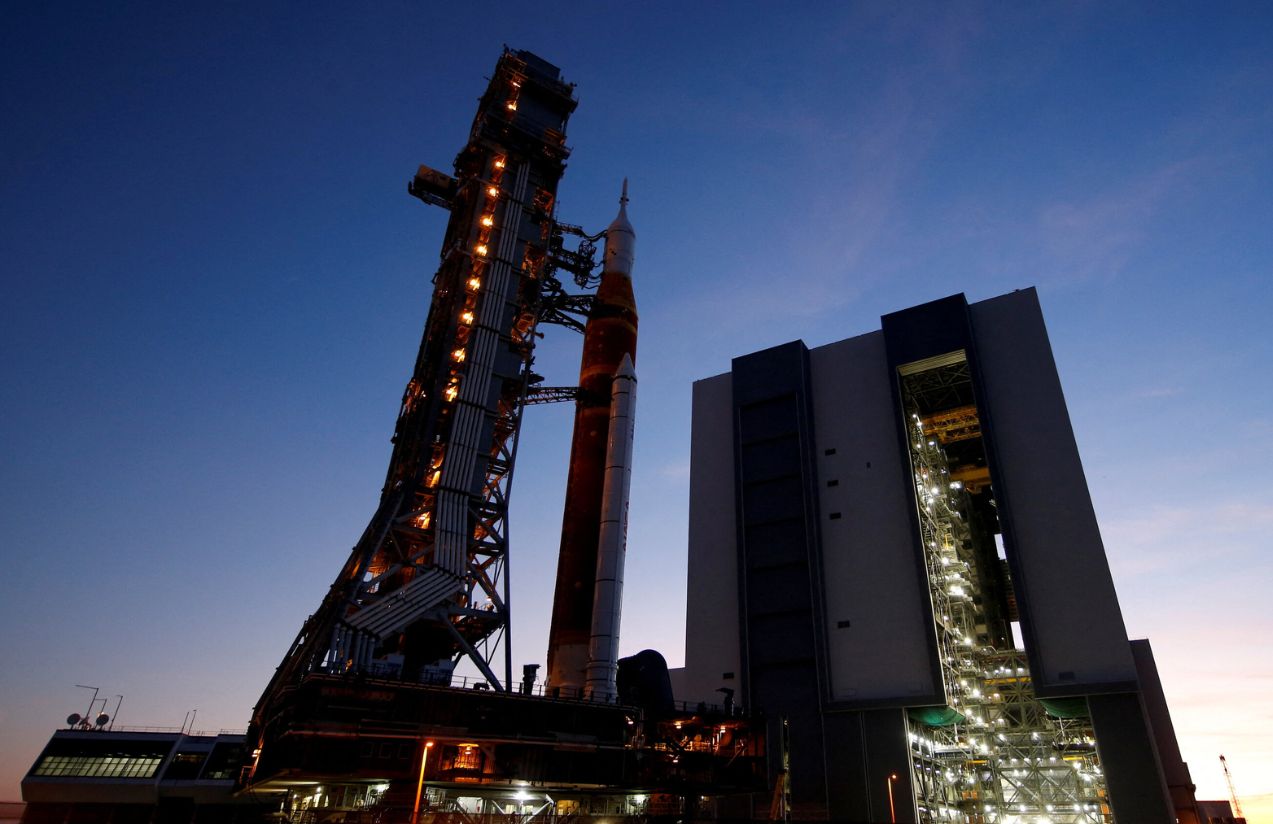
The Artemis program seeks to establish a sustainable human presence on the Moon and lay the groundwork for future missions to Mars, making precision essential at every step.
Why did NASA decide to postpone its return to the Moon?
Because it needs to conduct additional testing and reinforce safety systems before sending astronauts to the lunar surface, reducing risks and increasing mission reliability.
With these adjustments, NASA is aiming for a stronger and safer return to Earth’s natural satellite.