
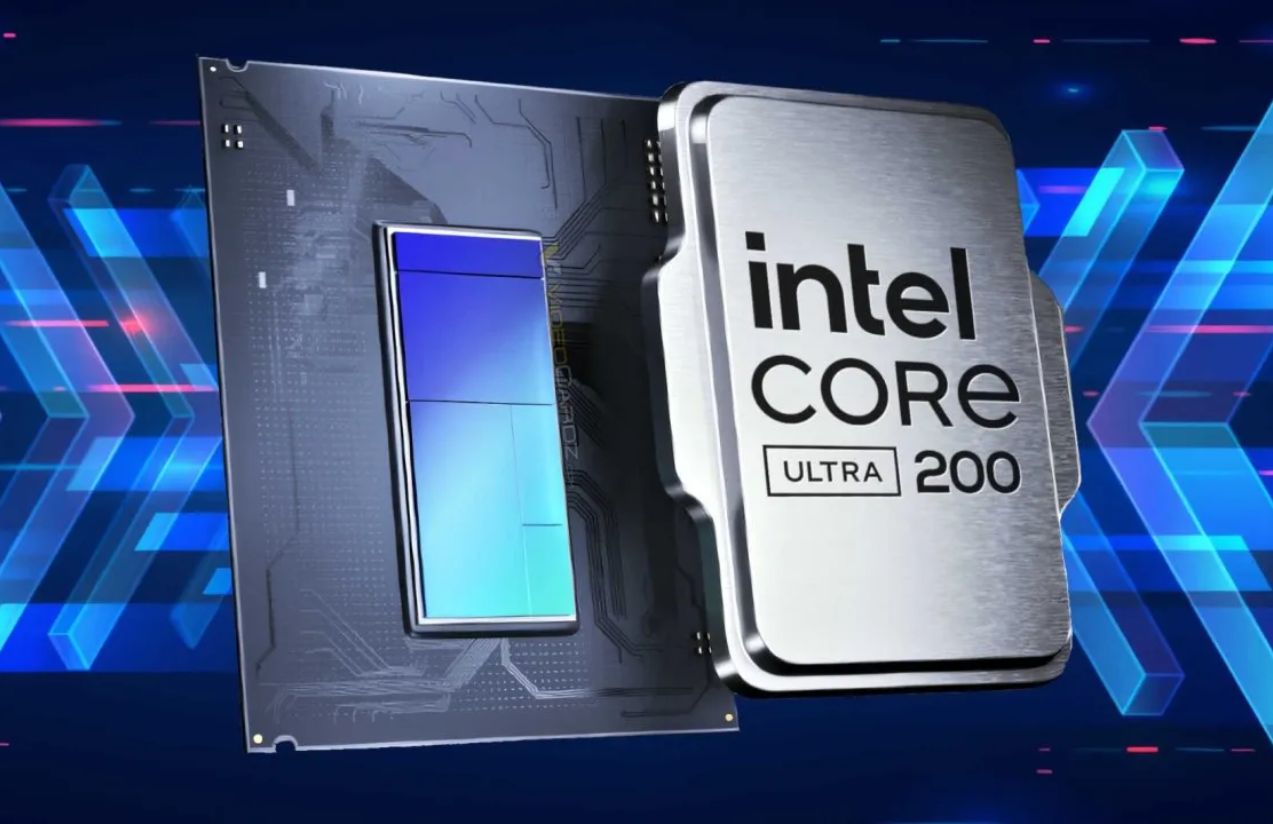

In recent years, hardware manufacturers have focused heavily on optimizing their products to deliver top-tier performance in artificial intelligence tasks. However, a recent leak from X (formerly Twitter) user @jaykihn0 — still unconfirmed by official sources — suggests that Intel’s upcoming Core Ultra Arrow Lake-S Refresh processors will not include a Neural Processing Unit (NPU) powerful enough to support Microsoft’s Copilot+ AI platform.
One of the main obstacles preventing many systems from running Copilot+ lies in Microsoft’s strict hardware requirements, which demand at least 40 TOPS (trillions of operations per second) of AI performance. While this level is easily achievable with modern GPUs, systems that rely solely on a SoC need a robust NPU to meet that benchmark.
Intel had previously indicated plans to boost AI capabilities in its next-generation chips, including a significant upgrade to the integrated NPU. Early leaks about Arrow Lake-S Refresh suggested these processors would increase NPU performance from the current 13 TOPS to 40 TOPS or more, ensuring native compatibility with Copilot+ without the need for additional hardware.
However, the new leak claims these upgrades won’t be included in desktop models. According to @jaykihn0, the refreshed chips will retain a nearly identical NPU configuration to current versions, which means they’ll still fall short of the AI performance threshold required by Microsoft for Copilot+—unless paired with a dedicated graphics card or external AI accelerator.
That said, the new processors are expected to feature higher core frequencies, offering minor performance improvements without significant architectural changes. In essence, Intel appears to be opting for speed boosts over deep NPU enhancements.
This move could be part of a strategic decision by Intel. In the desktop segment, users who run AI-intensive workloads typically already use dedicated graphics cards that can easily handle those demands. For instance, a GPU like the NVIDIA RTX 4070 delivers over 300 TOPS in AI tasks (INT8), vastly surpassing what an integrated NPU can offer.
By relying on existing external components for heavy AI tasks, Intel may be aiming to reduce production costs while still supporting lighter AI features—such as background blurring in video calls—via its 13-TOPS NPU.