
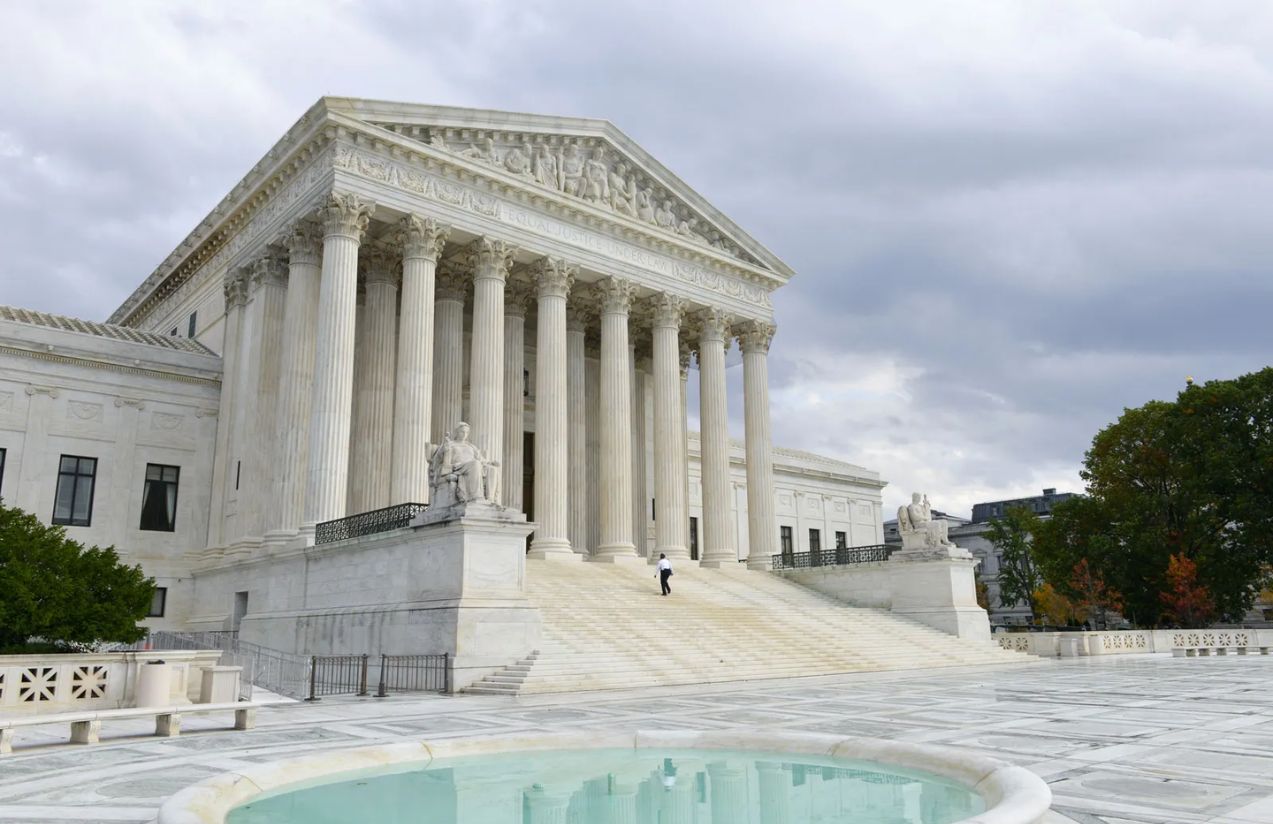

In a landmark 6-3 decision, the Supreme Court of the United States ruled that former President Donald Trump exceeded his constitutional authority when he imposed broad global tariffs under an emergency economic powers law. The high court found that the International Emergency Economic Powers Act (IEEPA) does not authorize a president to unilaterally impose sweeping import taxes without explicit approval from United States Congress, effectively invalidating many of the controversial tariffs he enacted.
The ruling, a major setback for Trump’s trade agenda, has significant global economic implications. It may affect hundreds of billions of dollars already collected in duties and could require refunds, a process that justices acknowledged might be complex and chaotic.
Read More
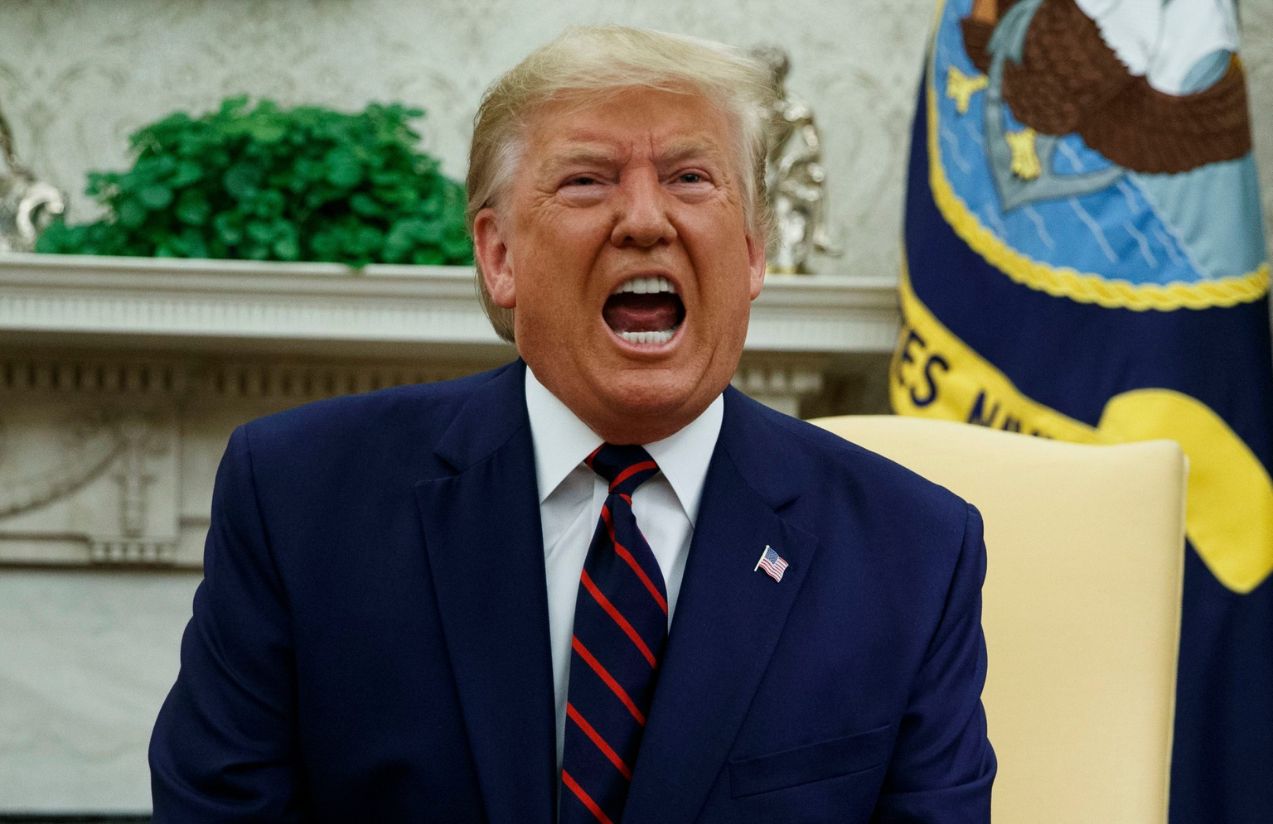
Trump reacted angrily, criticizing the justices and vowing to pursue new tariffs under different legal authority. Despite the setback, he signed a temporary 10 % global tariff under another statute, signaling continued trade pressures.
What does this mean for U.S. trade policy?
That the executive branch can’t bypass Congress to impose broad tariffs, reinforcing the constitutional balance of power, but it also opens new legal pathways and uncertainty ahead.