

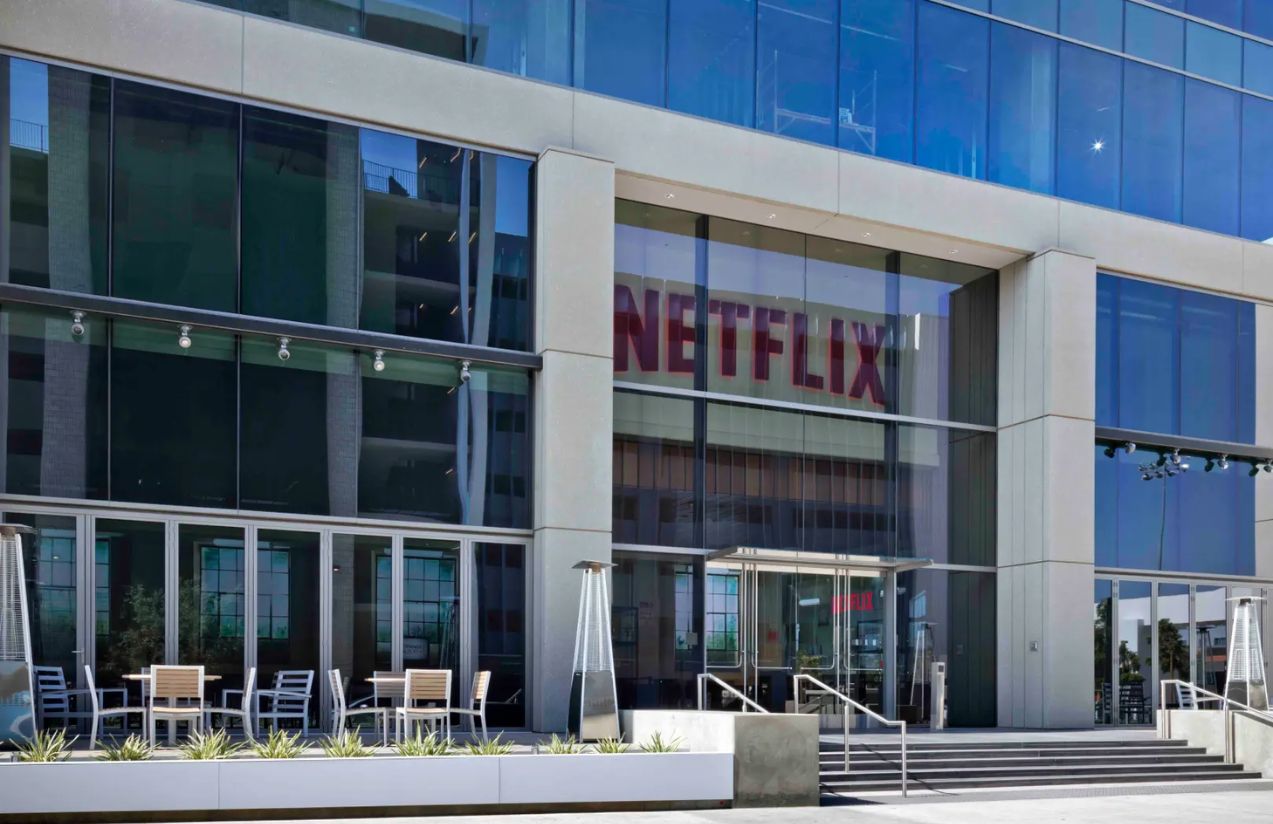

Just hours ago, a federal court found filmmaker Carl Erik Rinsch guilty of defrauding Netflix of more than $11 million, funds that had originally been provided for the development of an ambitious science-fiction series that was never produced. According to the investigation, the director used the money for personal purposes, including high-risk investments, luxury purchases, and expenses completely unrelated to the production.
Authorities showed that the producer requested multiple additional transfers under the pretext of alleged creative delays, while diverting the capital to private financial operations. The case has now become one of the most striking fraud scandals in the entertainment industry, exposing weaknesses in the oversight mechanisms of major platforms when it comes to high-budget projects.
Read More
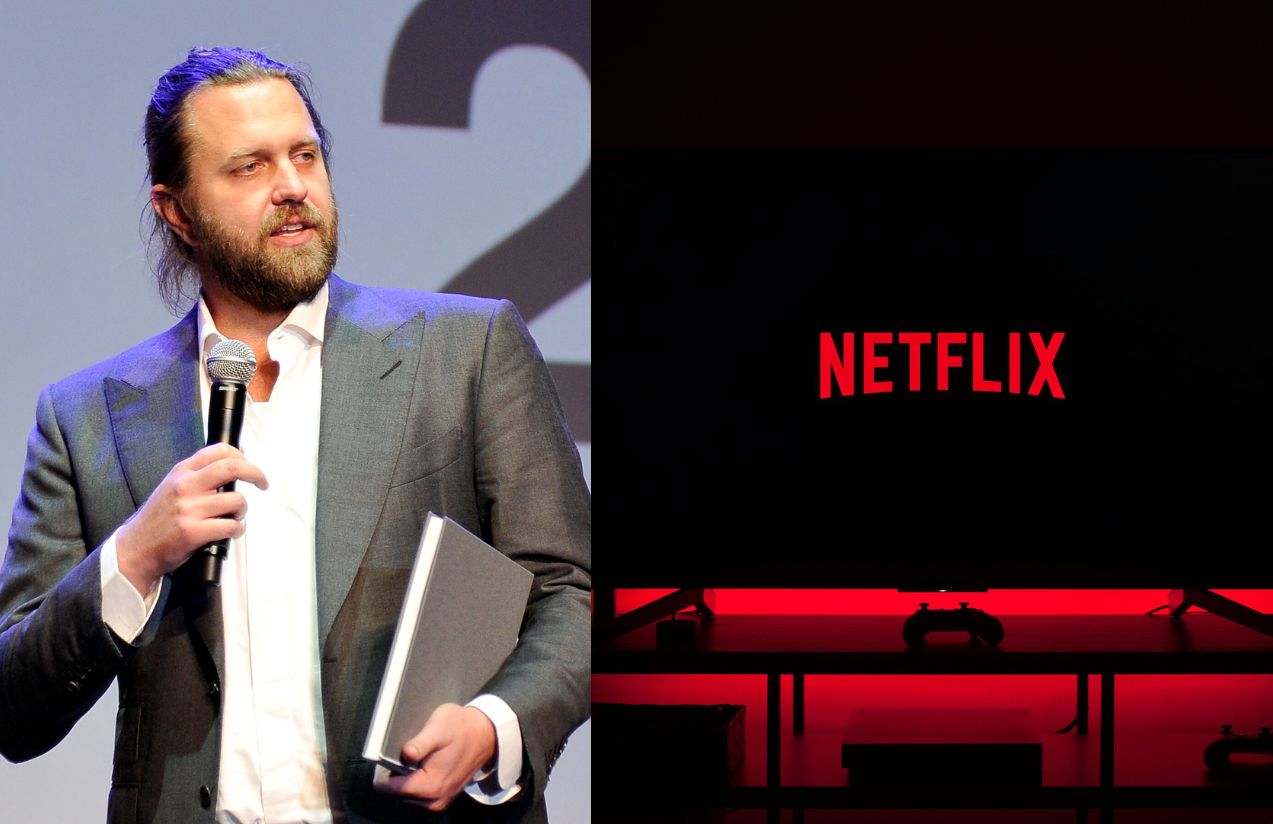
Of course, the prosecution emphasized that the scheme was sustained for several months through false reports and unfulfilled promises, which ultimately led Netflix to permanently cancel the project and initiate legal action.
What does this ruling mean for the streaming platform industry, such as Netflix?
This decision sets an important precedent, reinforcing the need for stronger financial and contractual oversight, and sends a clear message that the misuse of funds will be criminally prosecuted, even in the highly competitive world of digital entertainment.