

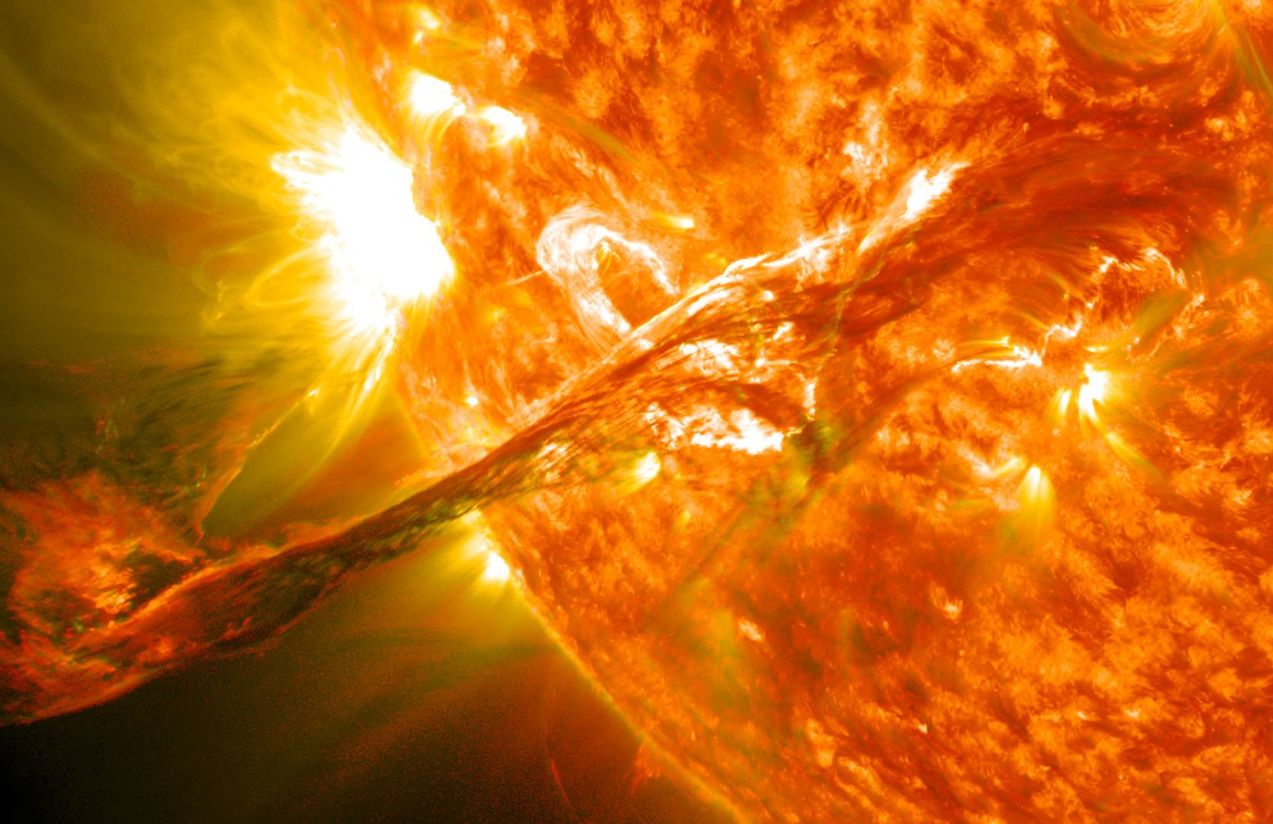

A strong solar eruption, classified as M8.1, was detected on December 6 in a highly active region of the Sun. This event released a coronal mass ejection (CME) that, according to NOAA forecasts, could strike Earth this Tuesday, triggering a G3 (strong) geomagnetic storm.
This phenomenon may not only disrupt communications and satellites, but also offer an unusual spectacle; Northern Lights becoming visible much farther south than usual. Areas in the northern and central United States, and even parts of the Midwest and West Coast, are among the regions with potential to witness the colorful sky display.
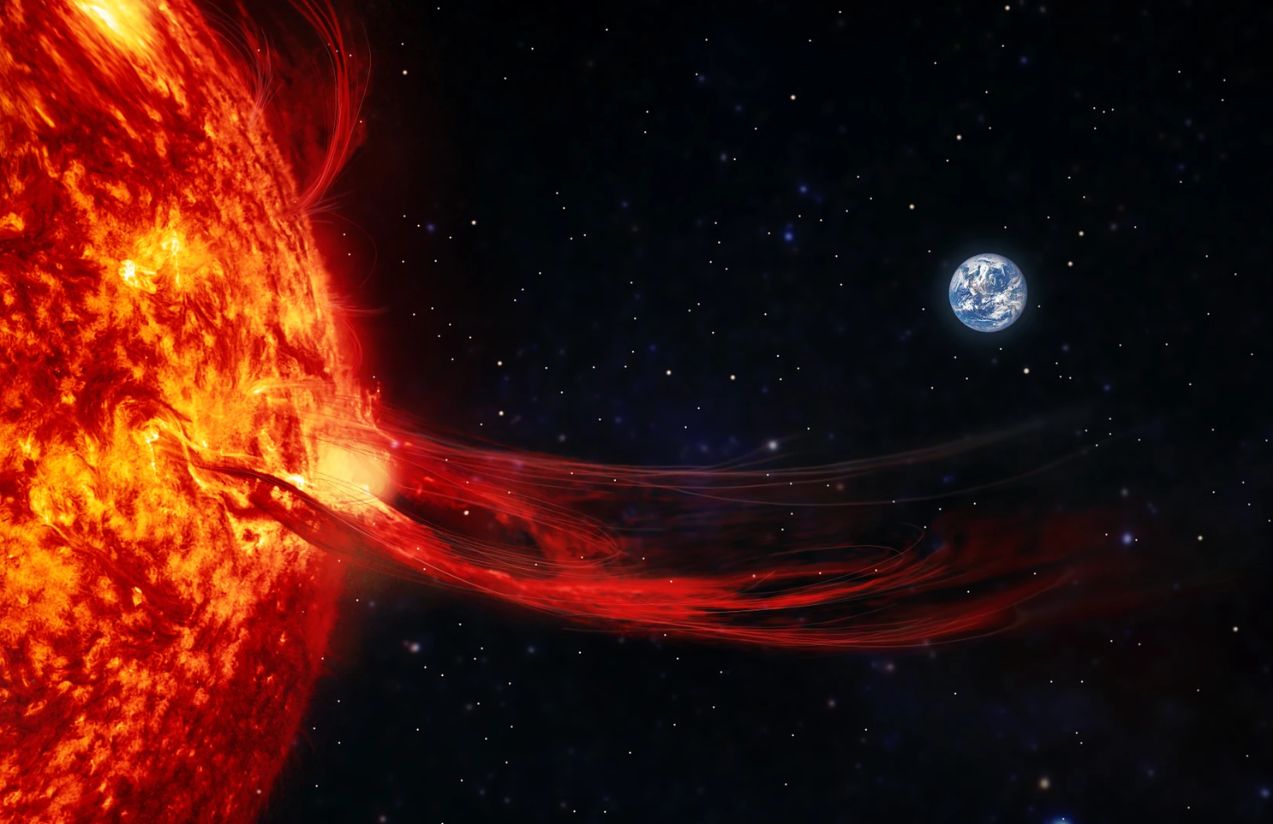
Although the storm does not pose an extreme risk to human life, it does warrant caution: temporary interruptions in radio signals, GPS navigation, and satellite services may occur.
Is it worth looking up at the sky tonight?
Yes, if weather conditions allow it, this could be a rare opportunity. Thanks to the storm’s intensity, many people in places unaccustomed to seeing auroras might enjoy a spectacular natural show. However, it’s wise to monitor official alerts and protect sensitive technology.