

Every New Year’s Eve, as the clock strikes midnight, the entire planet enters a continuous wave of celebrations that lasts nearly 24 hours, due to differences in time zones. The first place to welcome the New Year is Kiritimati, an island in the Kiribati archipelago in the Pacific Ocean, which celebrates at midnight local time long before the rest of the world.
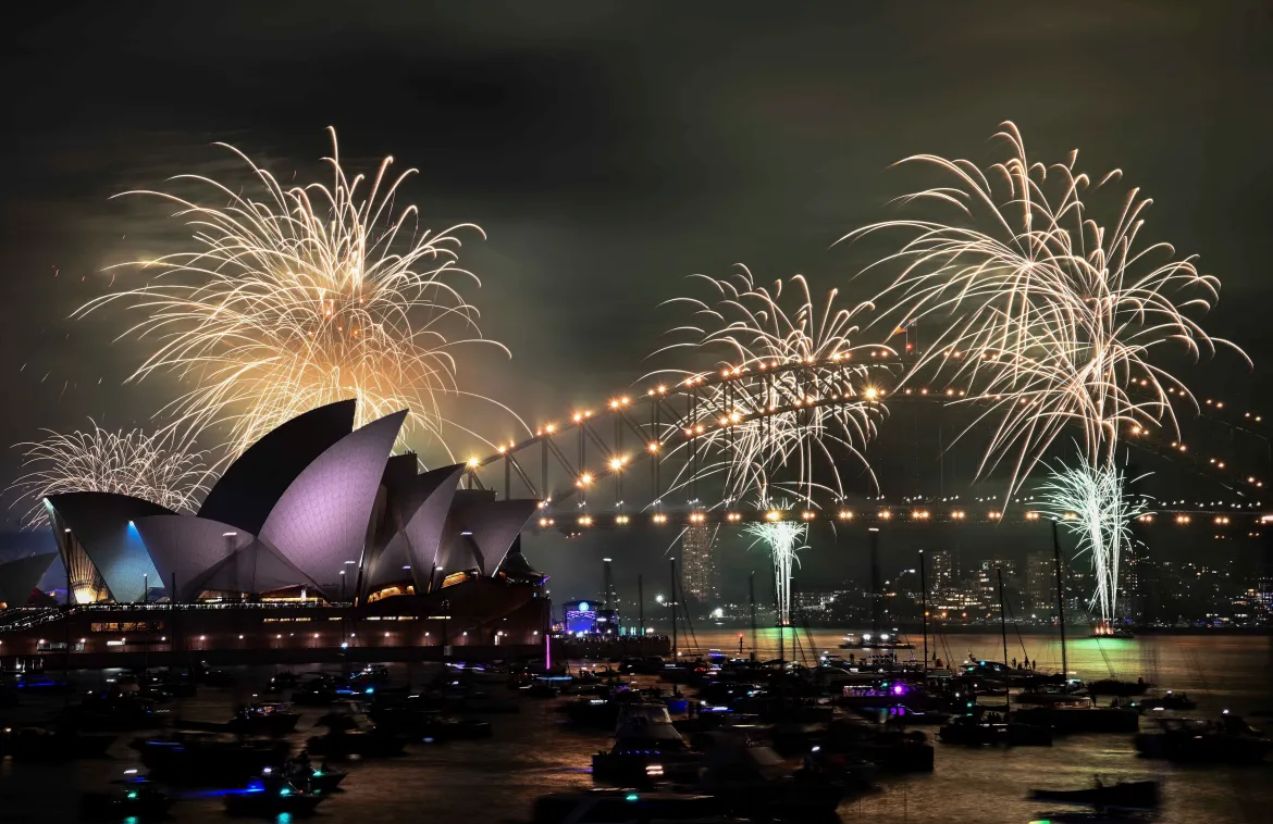
After Kiribati, countries such as New Zealand, Samoa, Tonga, and Australia follow in sequence, lighting up the sky with fireworks and unique traditions as the date moves from east to west.

On the other hand, the last places to ring in the New Year is the westernmost territories: Baker Island and Howland Island, two uninhabited United States islands that technically celebrate midnight later than anywhere else on Earth. Among inhabited areas, American Samoa is one of the final places to enter the new year.
Why is the New Year celebrated at different times around the world?
Because the Earth is divided into time zones, causing midnight, and the start of the new year, to occur at different moments depending on geographic location.