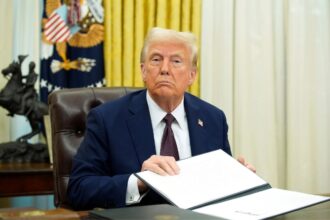

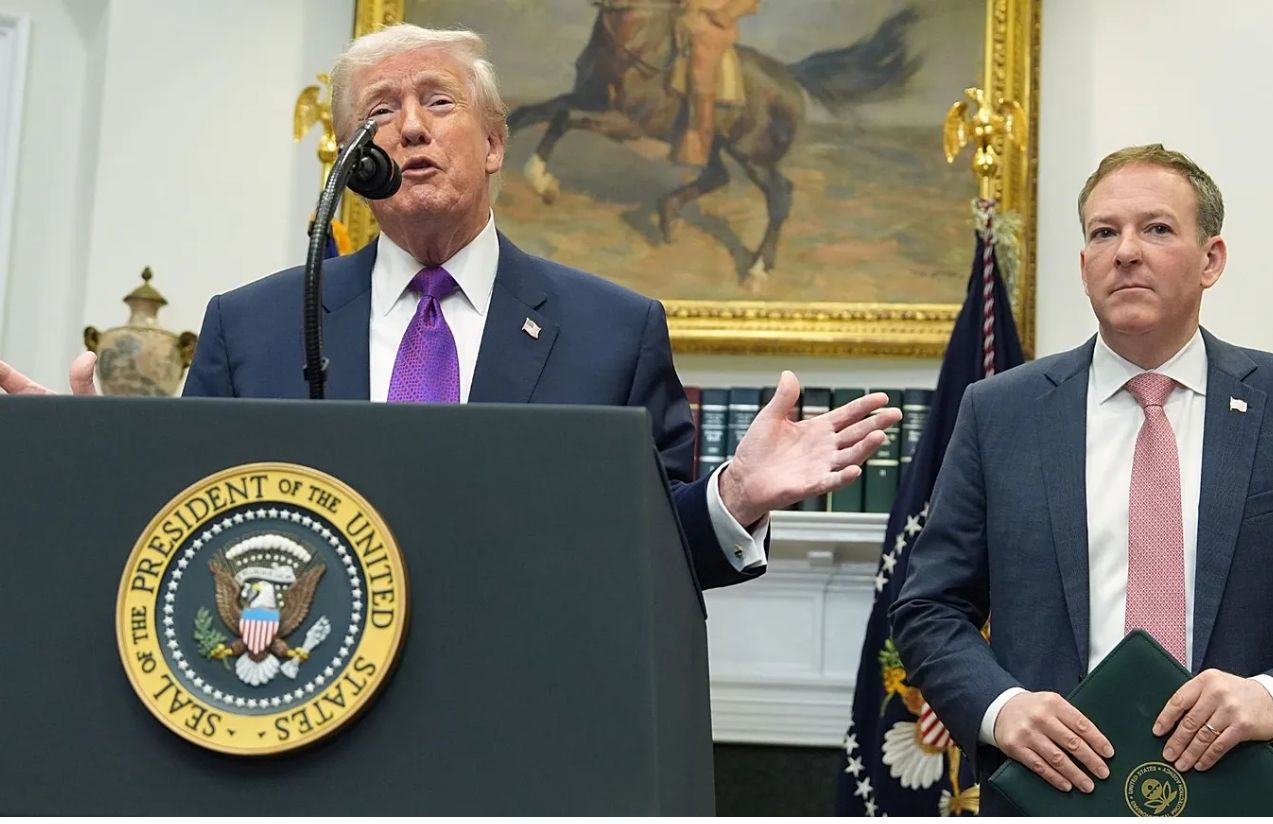

The President of the United States, Donald Trump, announced from the White House the revocation of the so-called “endangerment finding,” a scientific conclusion that for nearly two decades had served as the basis for regulating greenhouse gas emissions in the country. This move eliminates federal rules that limited emissions of carbon dioxide and other polluting gases, dismantling a large part of national climate policy and discouraging environmental regulations.
Trump defended the decision by arguing that it would generate significant economic savings for manufacturers and consumers, while also boosting traditional sectors such as oil and fossil fuels. However, environmental groups, experts, and several state attorneys general criticized the measure, warning that it weakens efforts to combat climate change and could trigger legal battles in the courts.
Read More

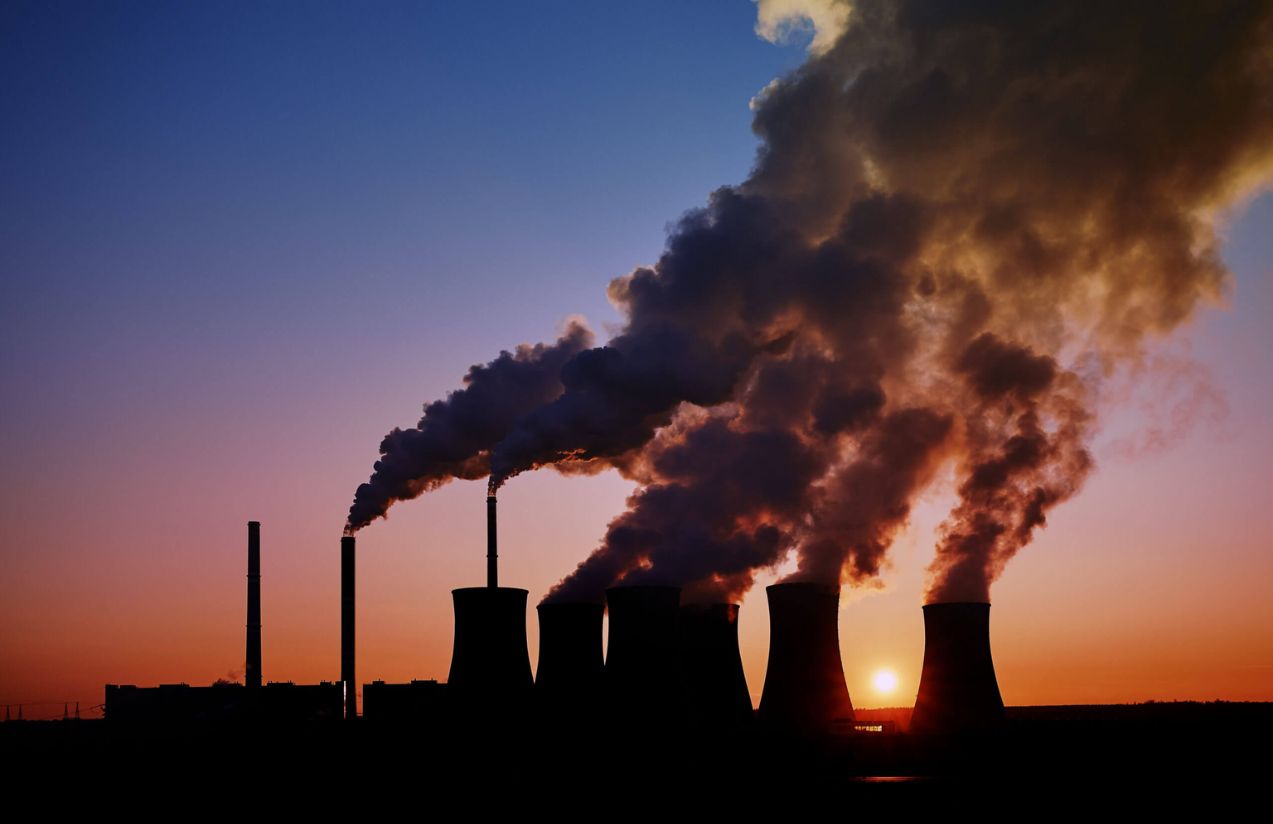
The rollback of these regulations also complicates compliance with international commitments like the Paris Agreement and has raised concerns among scientists about potential impacts on public health and the environment.
What consequences could this measure bring?
Although the Trump administration promises short-term economic benefits, removing emissions limits could increase air pollution, weaken competitiveness in clean energy, and lead to multiple legal challenges in key states such as California.