



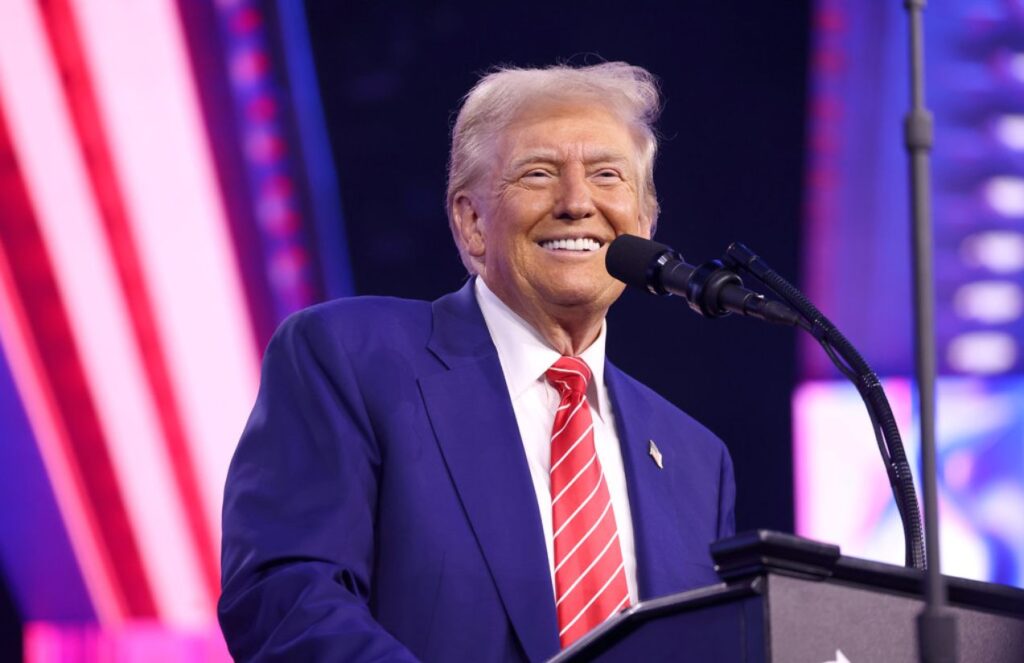
President Donald Trump announced a major economic measure by ordering the U.S. government to purchase $200 billion in mortgage-backed securities, aiming to reduce interest rates and make homeownership more affordable. Trump shared the directive on his social media platform, stating it would help lower monthly payments and ease the financial burden on buyers.
The plan involves Fannie Mae and Freddie Mac, two government-backed mortgage finance entities, which would use their available cash reserves to acquire these bonds. Trump noted that because these entities were not sold during his first term, they now have strong liquidity, allowing the strategy to be implemented without significant federal spending.
Read More


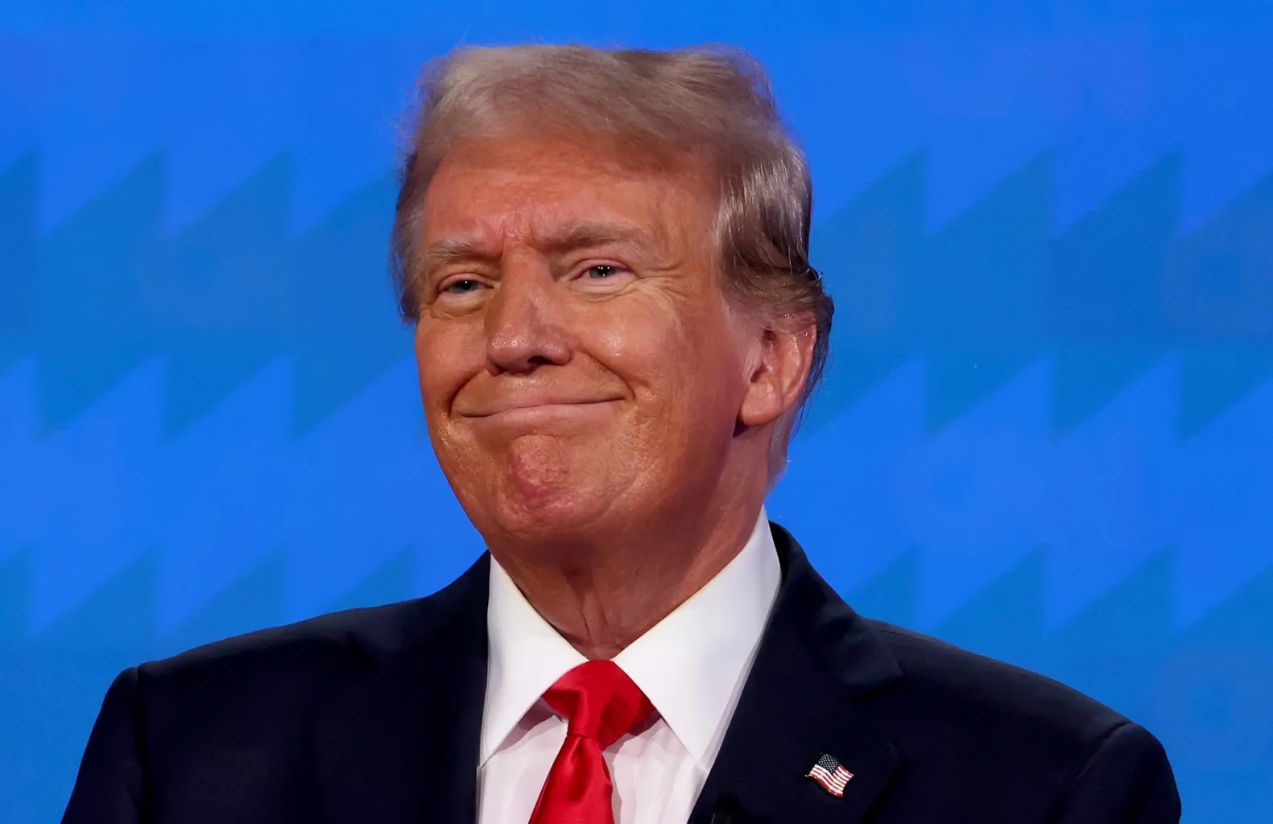

Early market reactions showed mortgage rates falling below 6%, the lowest level in more than three years, potentially benefiting first-time homebuyers who had been discouraged by high financing costs.
However, critics and economists warn that the long-term impact may be limited, as the measure does not address structural issues such as the housing supply shortage.
Will this order significantly make it easier to buy a home in the United States?
Partially. While lower rates may help in the short term, the real challenge depends on housing supply and broader economic conditions.