



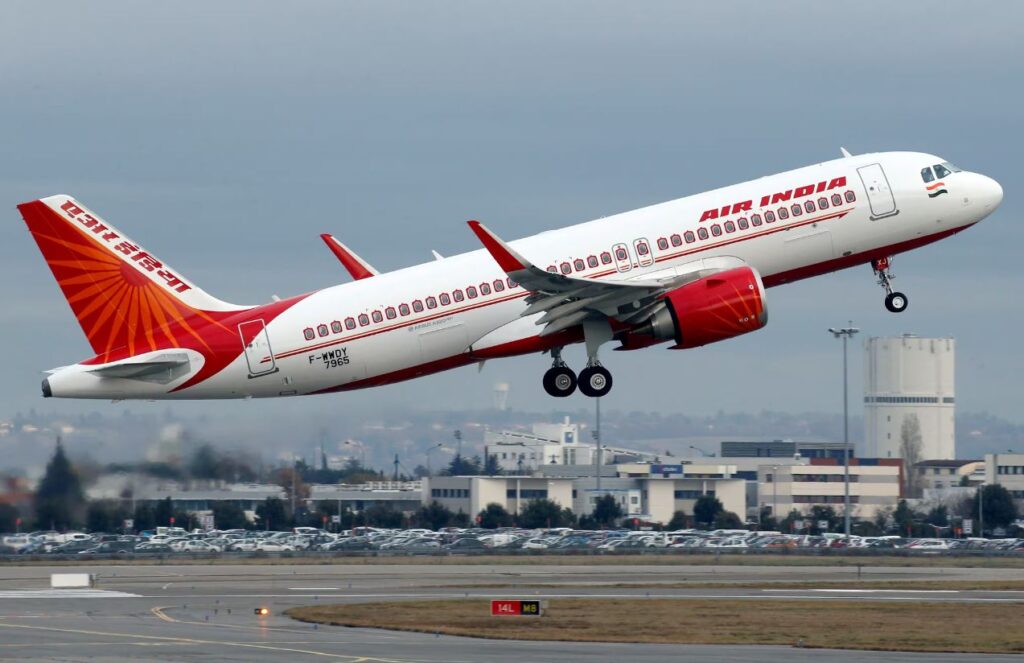
The world’s longest nonstop commercial flights are redefining how we travel, turning massive distances into feasible routes thanks to technological advances and the efficiency of modern aircraft. These ultra-long-haul routes, covering more than 15,000 kilometers and lasting over 18 hours in the air, connect major economic and tourist hubs without stopovers, offering levels of comfort that once seemed impossible.
Leading the list is the New York–Singapore route, operated by Singapore Airlines, considered one of the longest nonstop flights on the planet, with a duration of nearly 18–19 hours and a distance of more than 15,000 kilometers in a single journey.
Read More


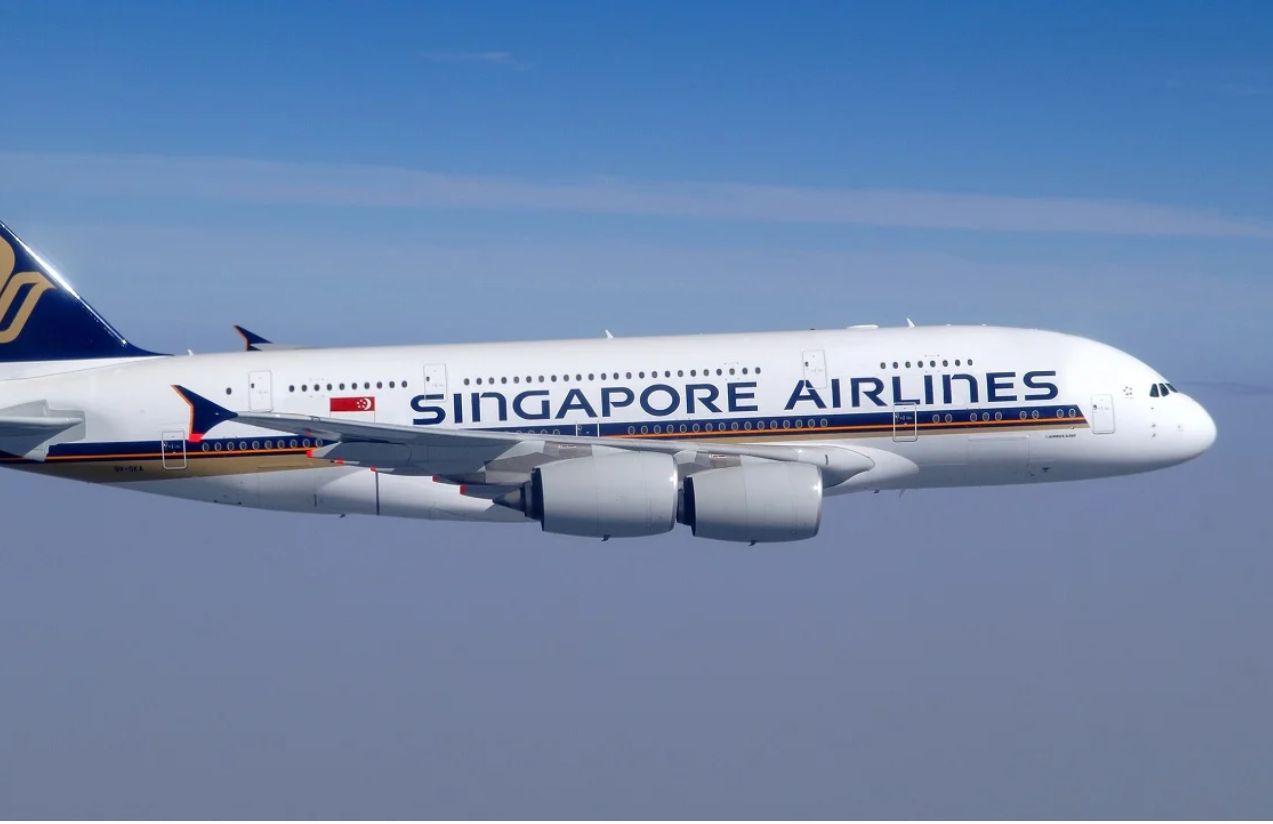

Other extended routes include flights between Newark and Singapore, as well as Auckland and Doha, which also rank among the most demanding nonstop connections in terms of distance and flight time.
These routes represent not only a technical achievement for the aviation industry but also a response to travelers’ growing demand for direct and efficient connectivity between continents.
Why are these ultra-long flights important?
Because they connect distant destinations without interruptions, reducing total travel time and opening new opportunities for global passenger and cargo transportation, despite the comfort and logistical challenges they pose for travelers.