



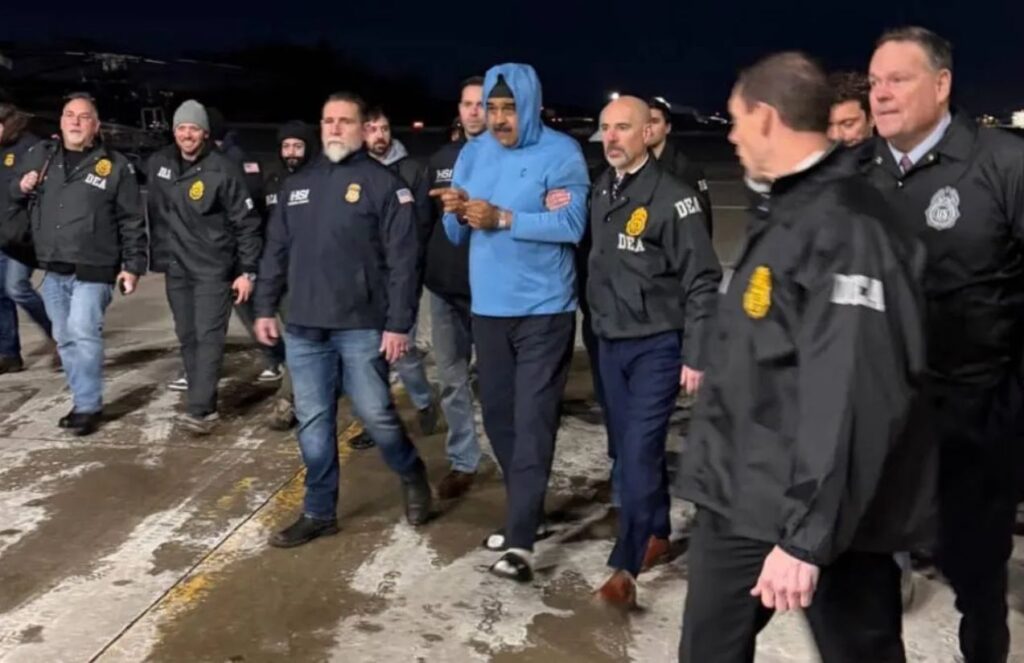
The recent U.S. military operation in Venezuela that resulted in the capture of President Nicolás Maduro and his wife has sparked strong international controversy. The prestigious newspaper The New York Times published an opinion column describing the action as “illegal and reckless,” warning that the use of force to remove a regime—even an authoritarian one, can lead to unintended consequences and long-term geopolitical risks.
The editorial recalls past interventions in Afghanistan, Iraq, and Libya, where attempts to impose political change by force ultimately produced instability and prolonged conflict. It emphasizes that even actions taken with stated humanitarian or democratic goals can quickly spiral out of control.
Read More


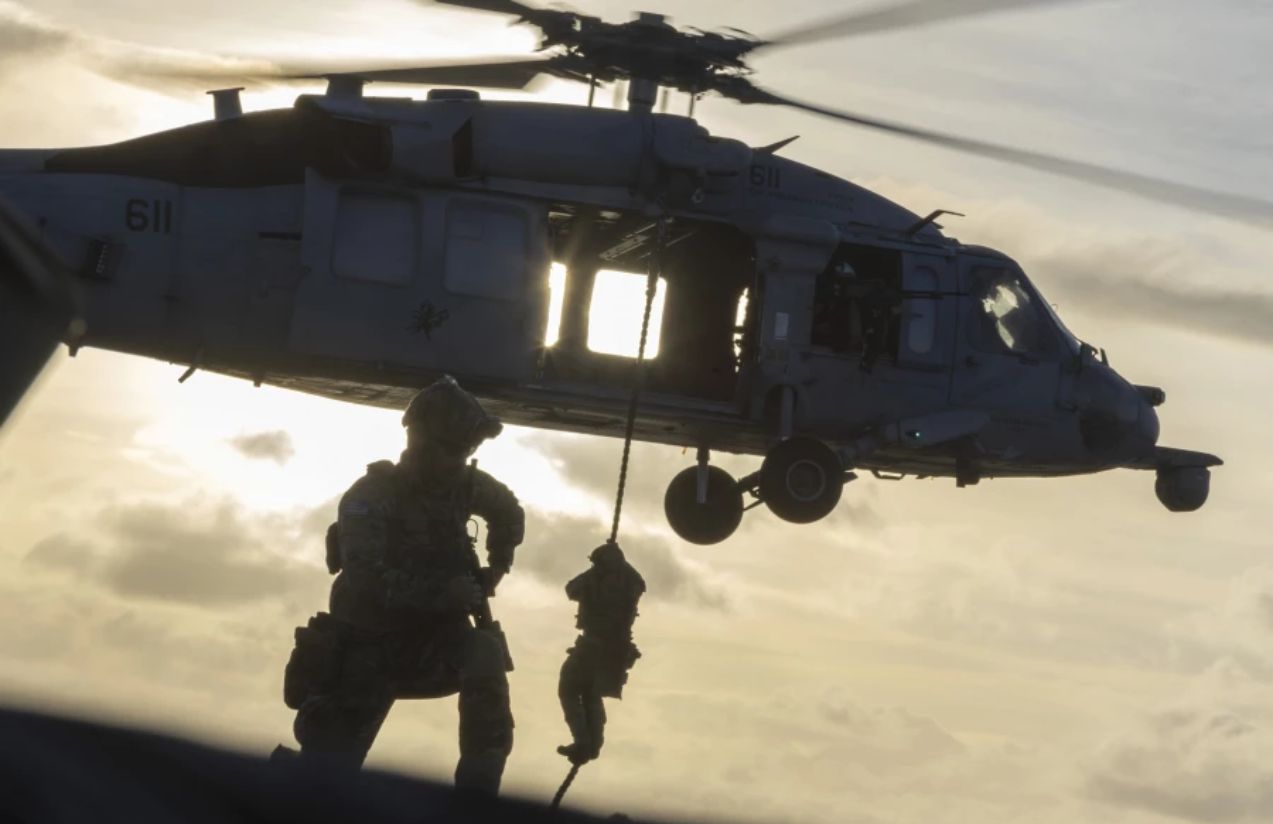

Additionally, the newspaper notes that the lack of authorization from the United States Congress for the military operation could undermine its legitimacy and heighten legal and diplomatic tensions worldwide.
Why has this operation sparked legal and political debate?
Because it involves military action in a sovereign nation without explicit congressional approval or clear international backing, raising serious concerns about its legality, respect for international law, and the potential impact on regional stability.