

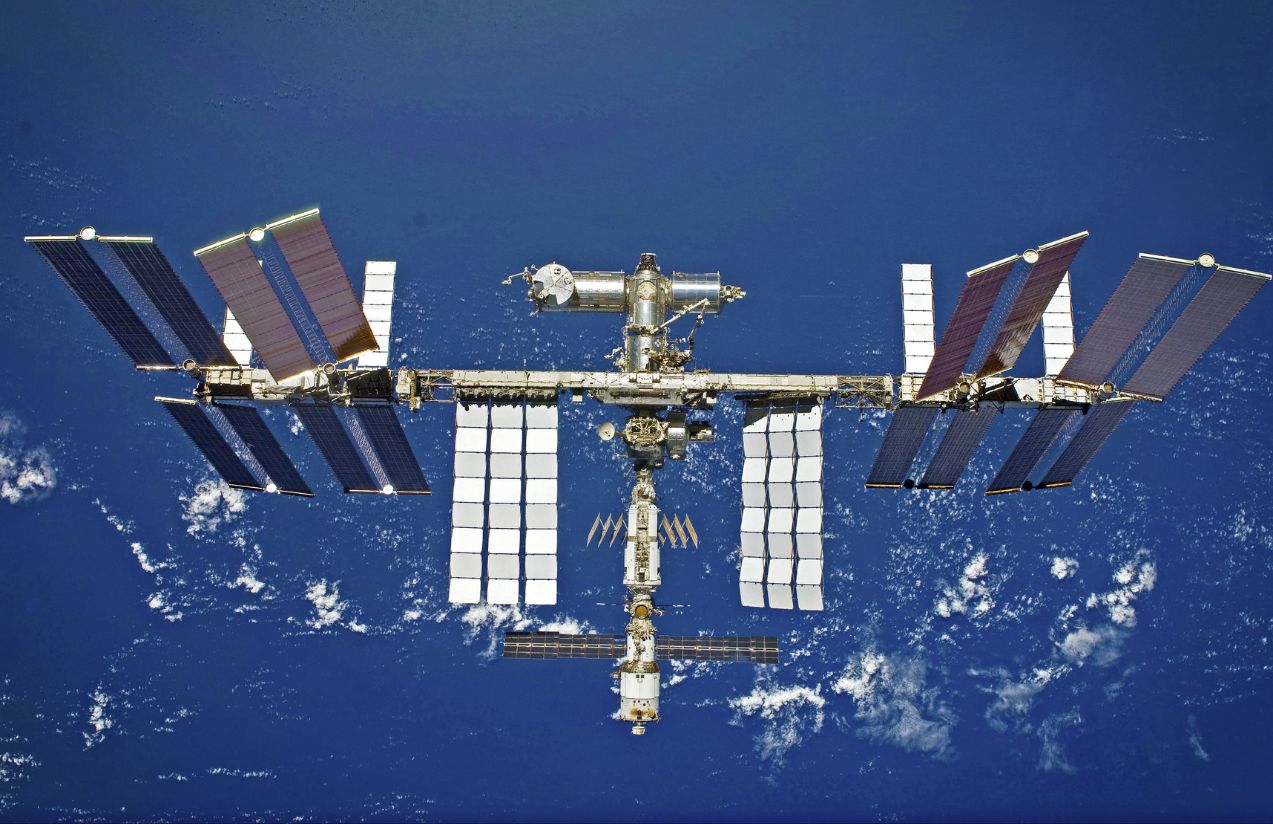

The International Space Station (ISS) has reached a historic milestone: 25 years of continuous human presence in space, since the first crew arrived on November 2, 2000. This orbital structure, built through an unprecedented global collaboration, has served as a microgravity laboratory and a symbol of international cooperation in science and space exploration.
Over the past quarter-century, the ISS has been continuously inhabited by astronauts and cosmonauts from more than 26 countries, hosting hundreds of scientific missions that have expanded our knowledge in biology, physics, medicine, and space technology.
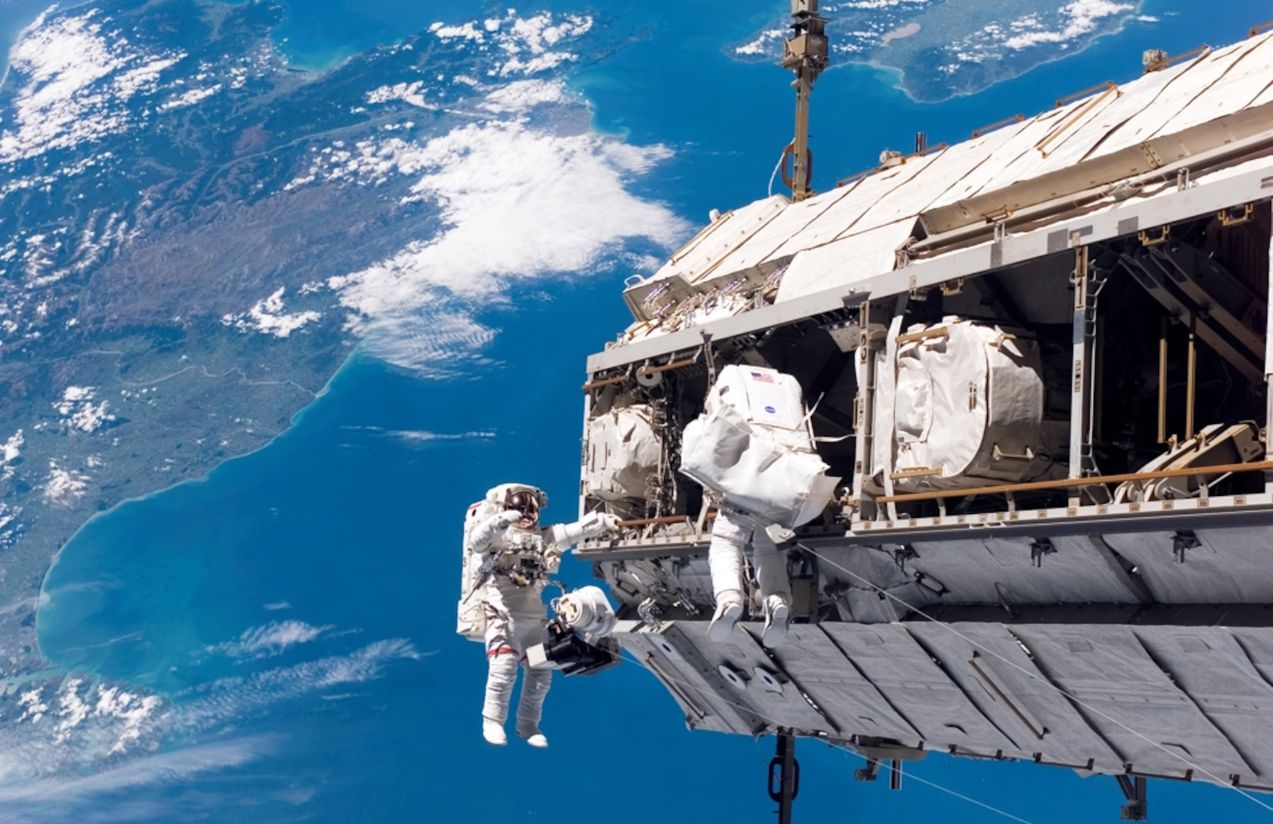
The orbital laboratory has witnessed major achievements, from experiments that can only be conducted in microgravity to technological demonstrations that pave the way for future missions to the Moon and Mars. It has also trained new generations of space explorers and highlighted the importance of international partnerships, even amid geopolitical tensions.
Why is this anniversary so important?
Because 25 years of uninterrupted human presence in space represent not only engineering and endurance milestones, but also a scientific and collaborative foundation that drives exploration beyond Earth and sets the stage for the next era of space travel.