

Throughout 2025, the battle between Apple and Samsung clearly shaped the global smartphone sales landscape. According to data from Counterpoint Research’s Global Handset Model Sales Tracker, each brand placed five models on the list of the world’s top 10 best-selling phones.
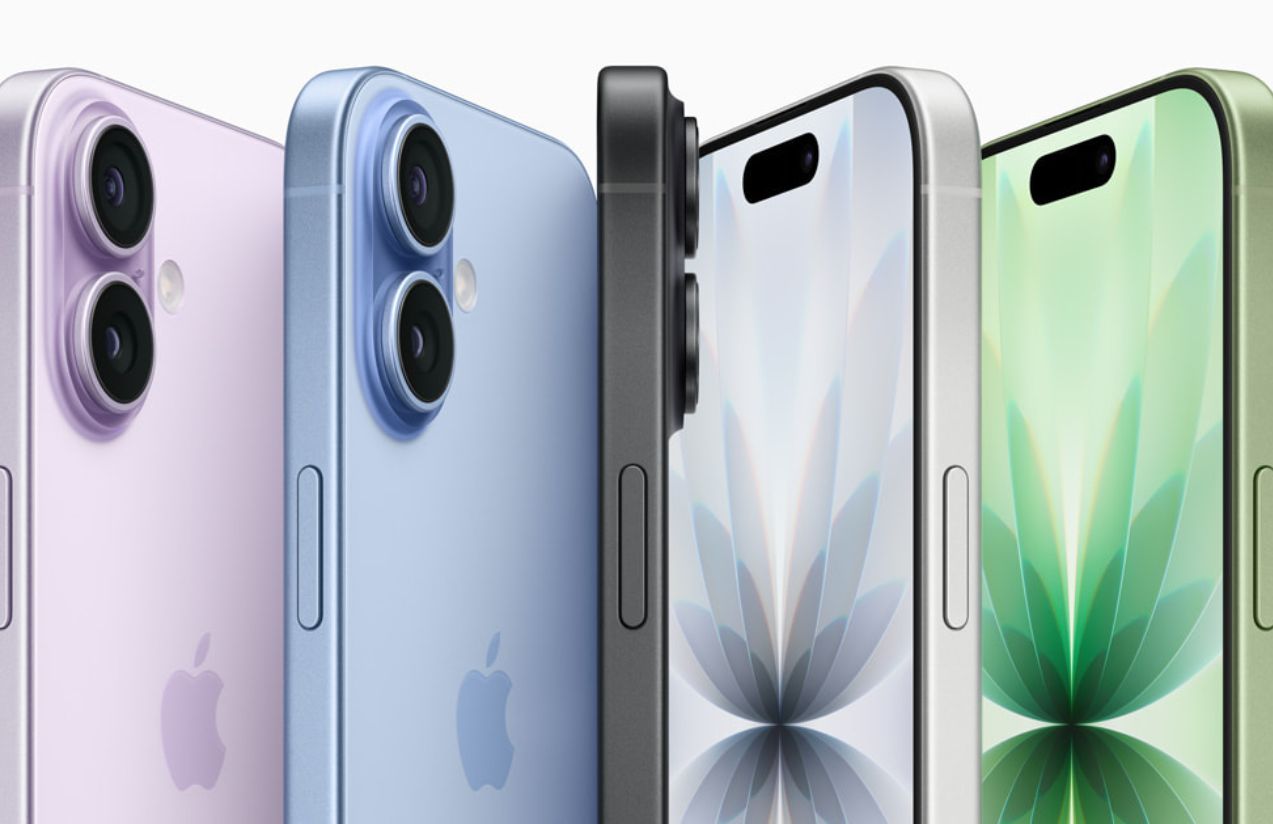
At the top of the ranking was the iPhone 16, the best-selling smartphone of the year, driven by strong growth in key markets such as India and Japan. It was followed by other standout Apple models like the iPhone 16 Pro, 16 Pro Max, and iPhone 16e, which secured the first four positions on the global list.
Read More

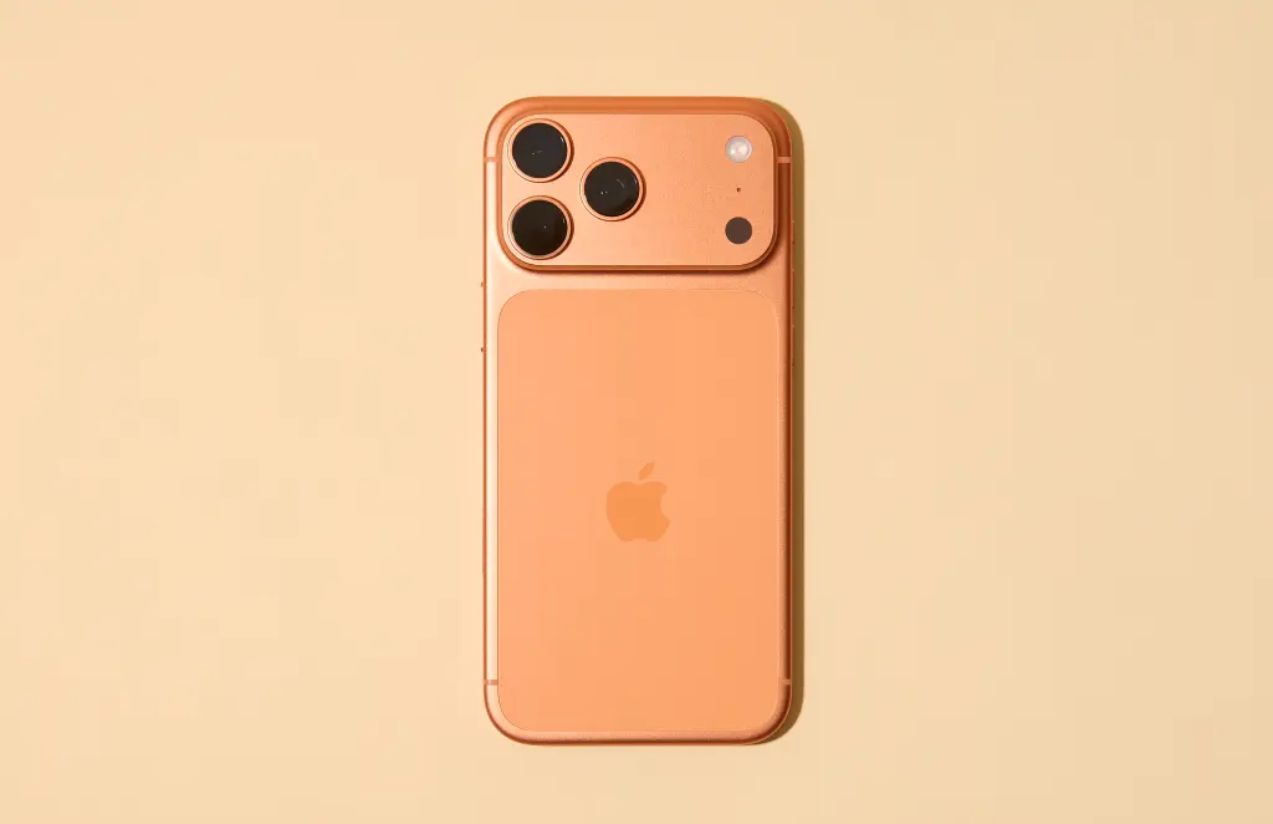
Samsung, meanwhile, shined with its Galaxy A series, dominating the mid-range and entry-level categories. The Galaxy A16 5G became the best-selling Android phone of the year, followed by other popular models such as the Galaxy A06, A36, and A56, reinforcing Samsung’s competitive strength. Completing the top 10 was the iPhone 17 Pro Max, demonstrating that even Apple’s newest releases remain highly relevant.
Why do Apple and Samsung continue to lead the smartphone market?
Because they combine constant innovation, global distribution networks, and a diversified product lineup: Apple leads the premium segment with its iPhones, while Samsung dominates the mid-range with affordable, well-equipped devices, a strategy that allows them to reach a wide variety of users and maintain their leadership year after year.