



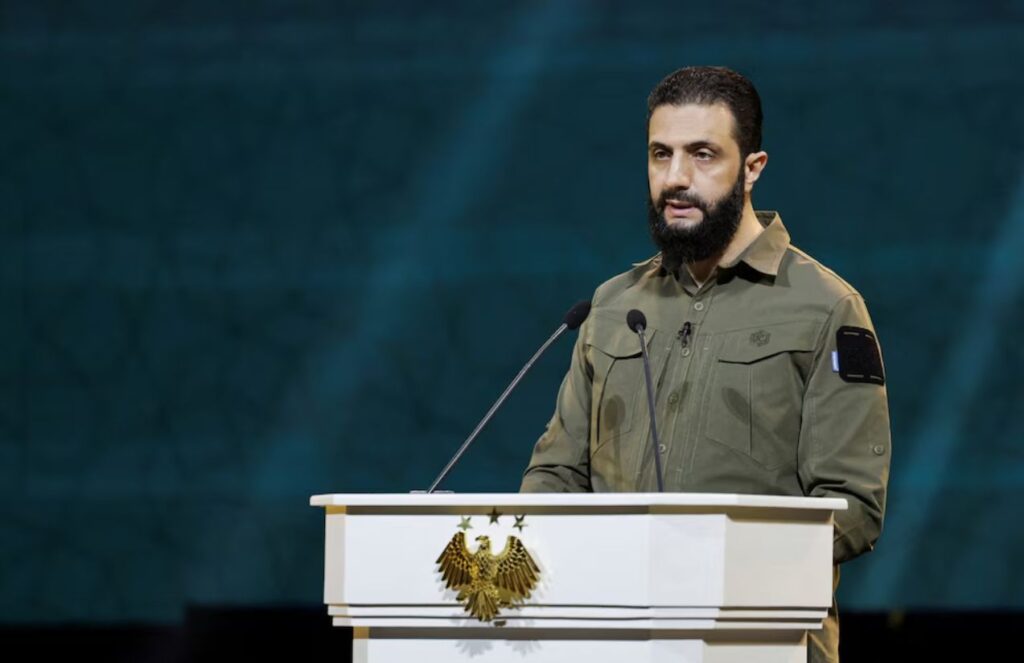
The Syrian government has announced a significant ceasefire agreement with the Kurdish-led Syrian Democratic Forces (SDF) after days of intense fighting in the country’s northeast, marking one of the most important developments in the region since the civil war began. Under the agreement, the SDF will halt hostilities and withdraw forces from areas west of the Euphrates River as part of the ceasefire conditions.
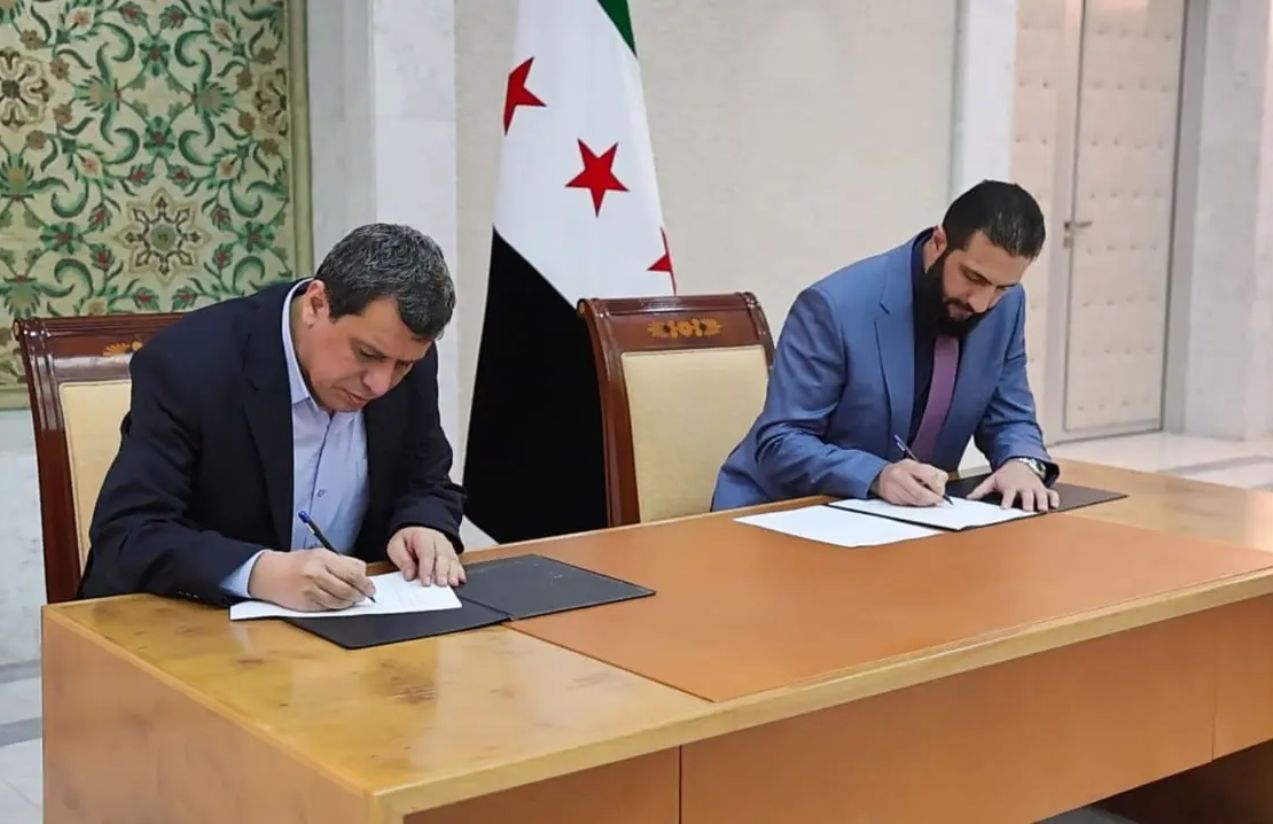
The deal, signed by Syrian President Ahmad al-Sharaa and Kurdish commander Mazloum Abdi, also includes the transfer of control over key provinces such as Raqqa and Deir ez-Zor to Damascus, alongside border crossings, oil and gas fields, and local institutions. The agreement paves the way for Kurdish fighters to be integrated into Syria’s military and security forces and for Kurdish leadership to be considered for government posts.

The United States, long a supporter of the Kurdish forces in the fight against ISIS, welcomed the ceasefire as a step toward broader cooperation and stability.
Why is this ceasefire significant?
Because it could end ongoing clashes, unify state authority across northeastern Syria, and reshape the political landscape by integrating previously semi-autonomous Kurdish forces into the Syrian state.