



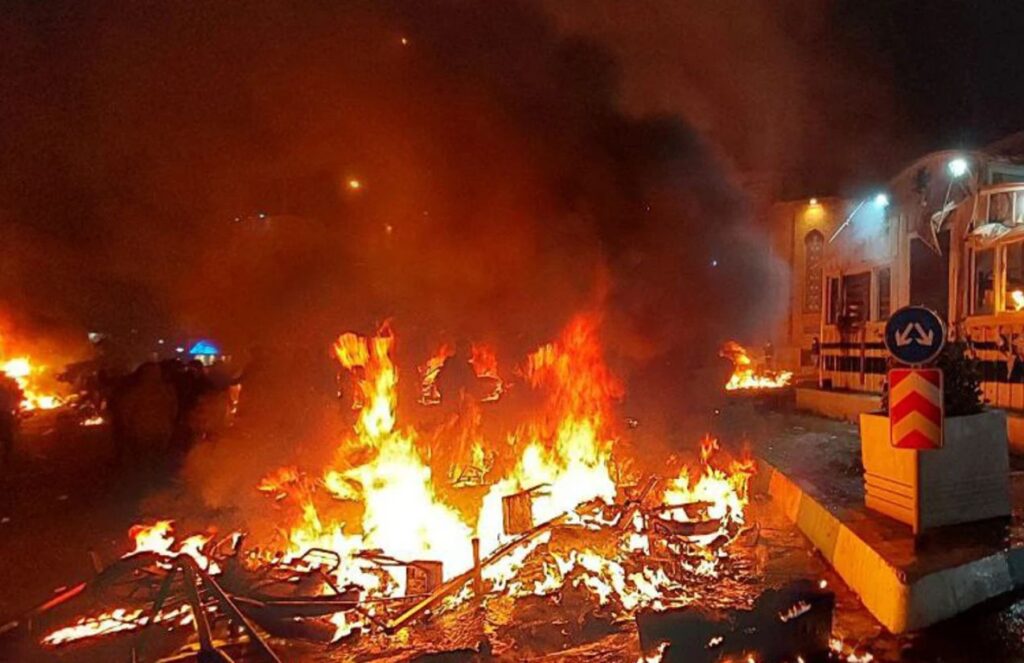
New figures emerging from inside Iran suggest that up to 30,000 people may have died in just two days of nationwide unrest, according to senior officials from the country’s Ministry of Health who spoke to Time magazine on condition of anonymity. These estimates correspond to clashes that took place on January 8 and 9, amid a broad crackdown on protests that erupted in late December over economic and political grievances.
If confirmed, this figure would be far higher than the official death toll released by authorities in Tehran, which stands at just over 3,000, and would also exceed other independent estimates. The scale of the casualties reportedly overwhelmed emergency services, exhausting supplies of body bags and forcing the use of heavy trailers to transport bodies.

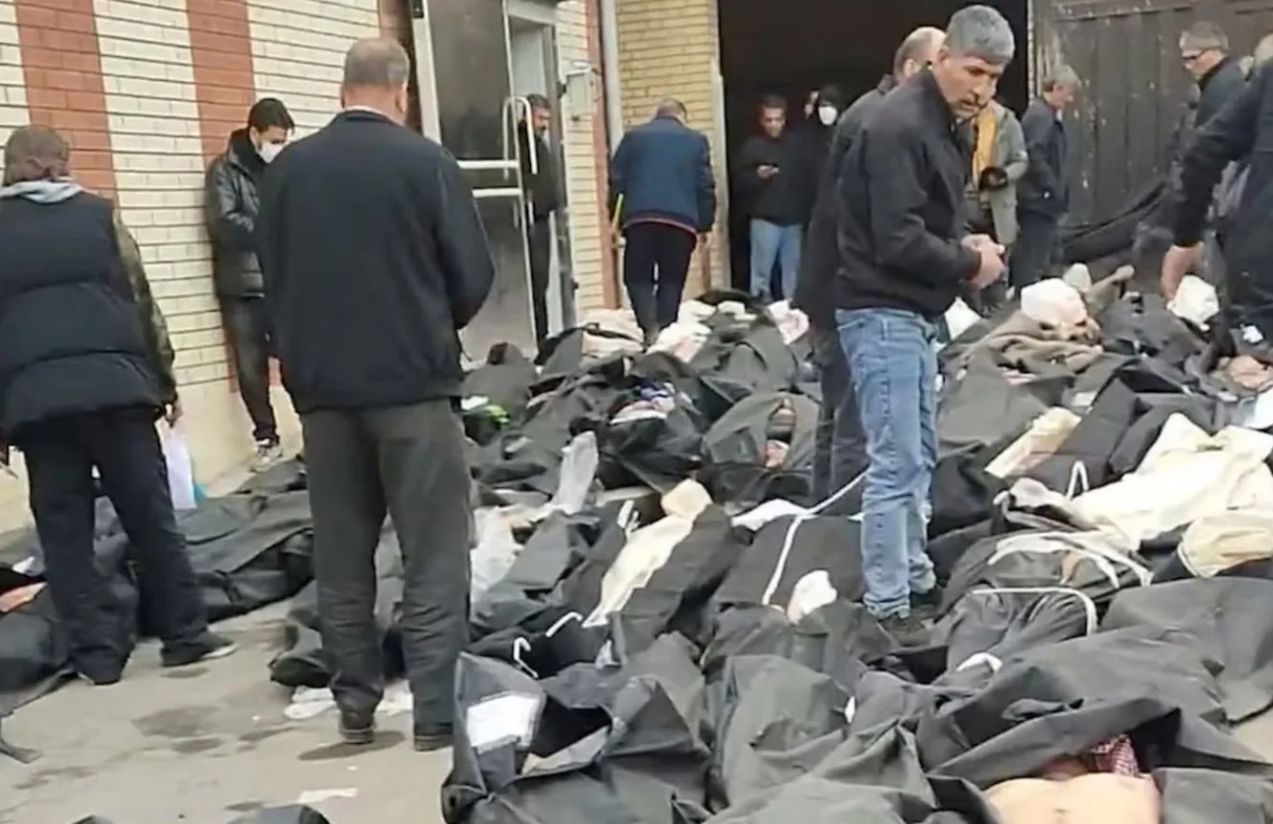

The protests have been marked by severe communication restrictions, including internet shutdowns, making independent verification of the true number of fatalities difficult. Human rights organizations have documented thousands of confirmed deaths and continue to investigate additional possible cases.
Why is there such a large discrepancy in the death toll figures?
Because official government data, reports from independent organizations, and leaked information from the health system do not match, and access and communication restrictions prevent full verification.