
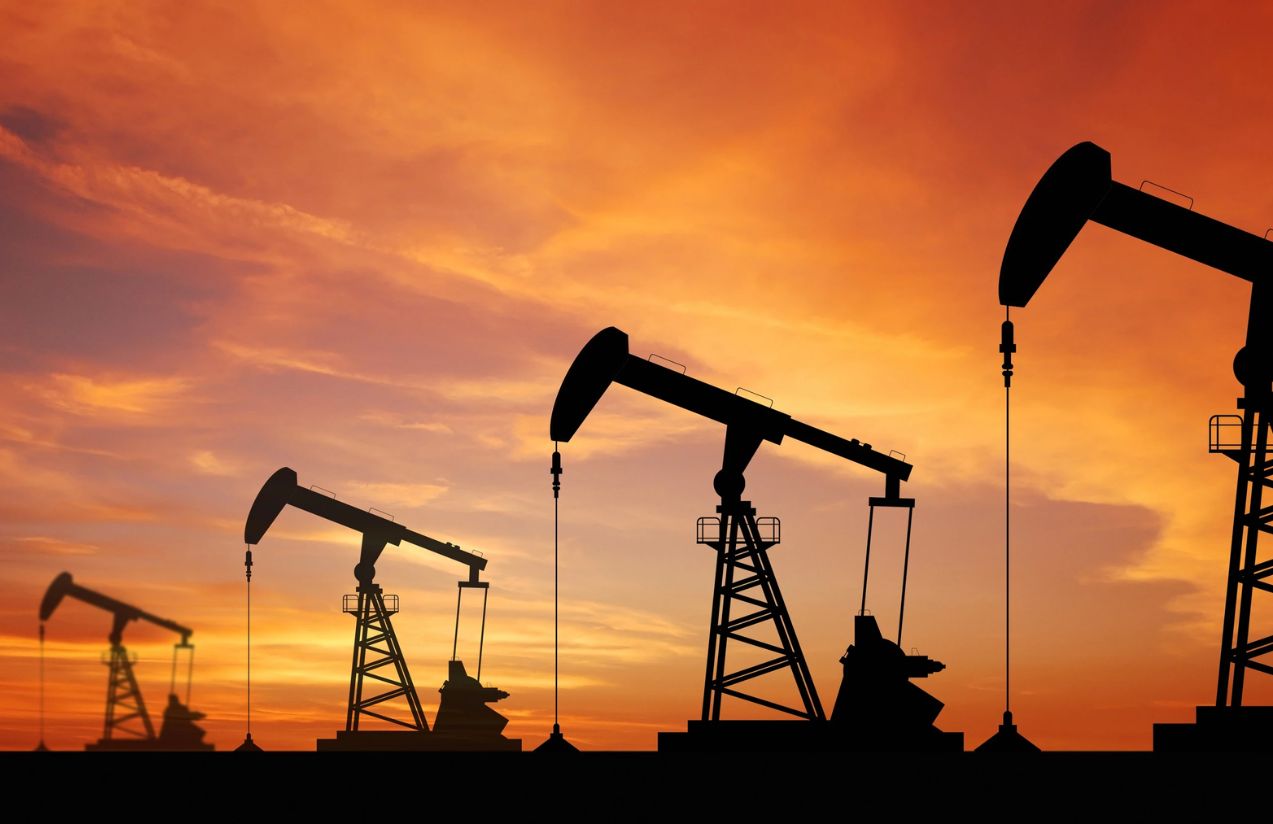

Oil prices surged in international markets after the WTI crude oil barrel surpassed $100, driven by the escalation of the conflict involving the United States, Israel, and Iran in the Middle East. The increase marks the highest level since 2022 and reflects global concerns about possible disruptions to energy supplies.
Market analysts say that military tensions and attacks on energy facilities in the region have created uncertainty about the flow of oil. In addition, the conflict has raised concerns about maritime traffic through the Strait of Hormuz, a strategic route through which about 20% of the world’s oil supply passes, increasing fears of a potential global supply crisis.
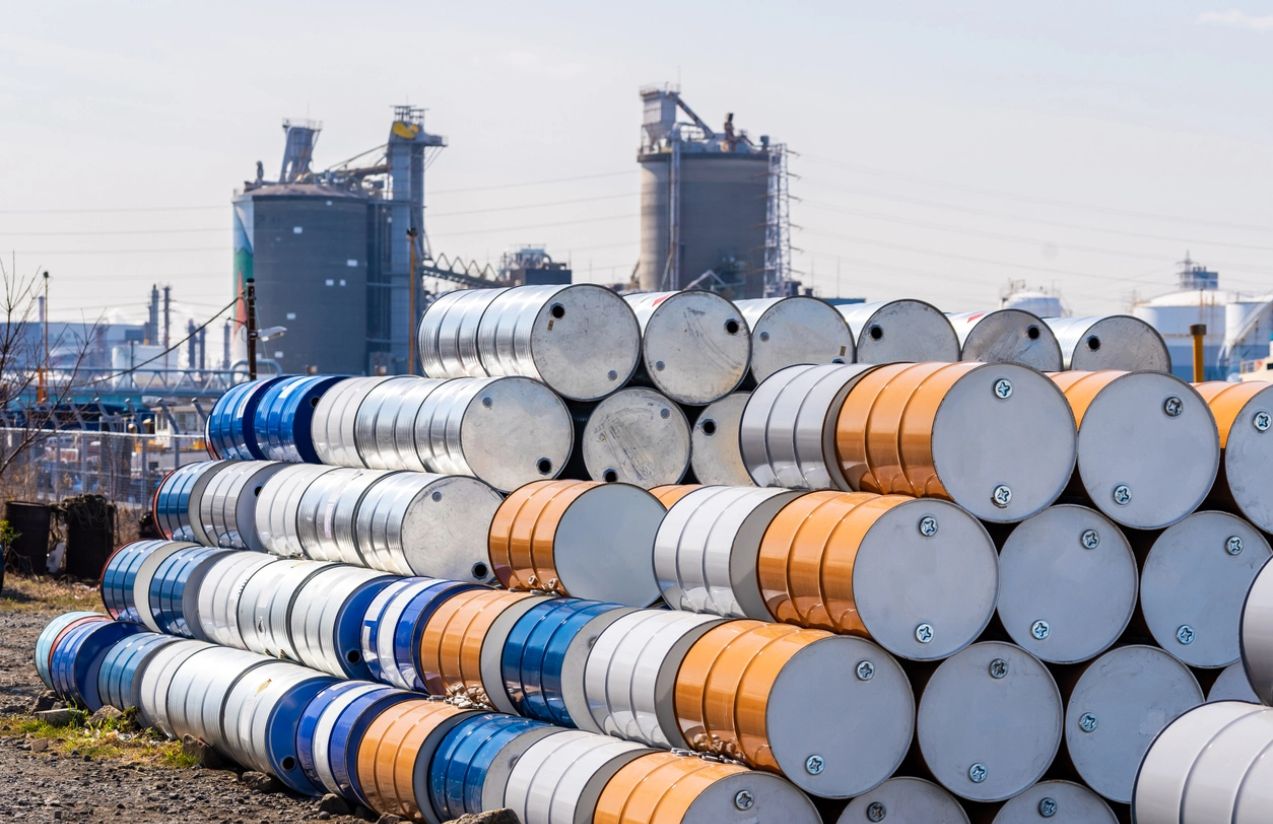
During early trading hours, U.S. crude futures even climbed above $107 per barrel, while Brent crude, the international benchmark, also moved past the $100 mark. Experts warn that if the conflict continues to escalate, oil prices could rise further and impact the global economy, including higher fuel and transportation costs.
Why did oil prices rise so sharply?
Mainly due to fears that the conflict in the Middle East could disrupt global oil supply, especially in key routes such as the Strait of Hormuz, where a large portion of the world’s oil passes.