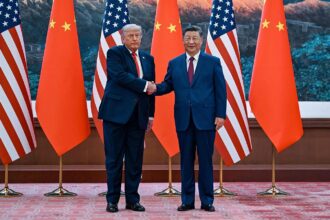




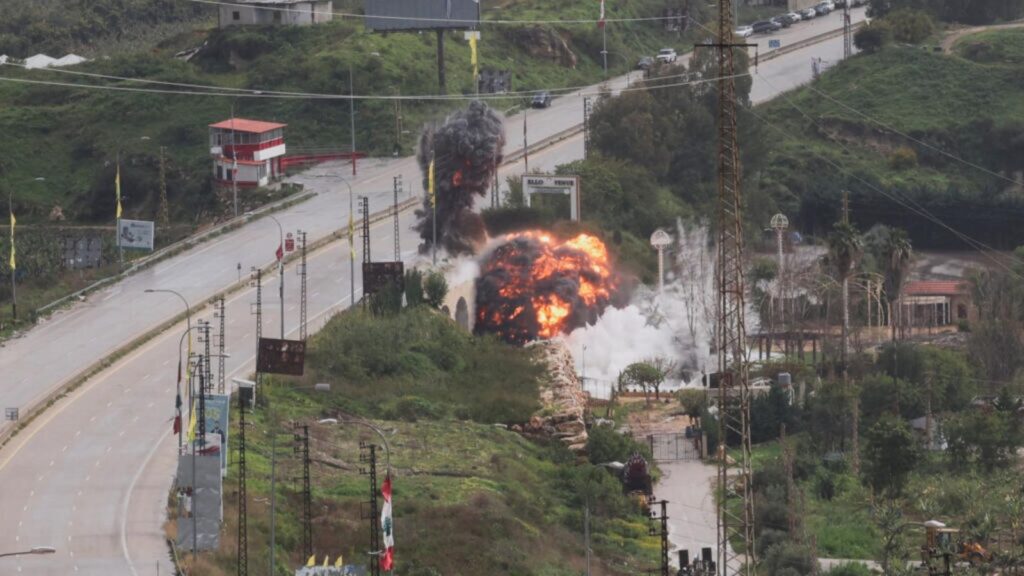
Tensions in the Middle East have risen once again after a new series of cross-border attacks threatened to shatter the fragile ceasefire between the United States and Iran. The latest clashes have raised international concerns about the possibility of a broader military escalation in a region that plays a crucial role in the global economy.
According to recent reports, both sides exchanged military actions following several incidents near the Strait of Hormuz, one of the world’s most strategic routes for oil transportation. The situation has sparked nervousness in financial markets and contributed to higher oil prices, while diplomatic efforts continue in an attempt to prevent a complete breakdown of negotiations.


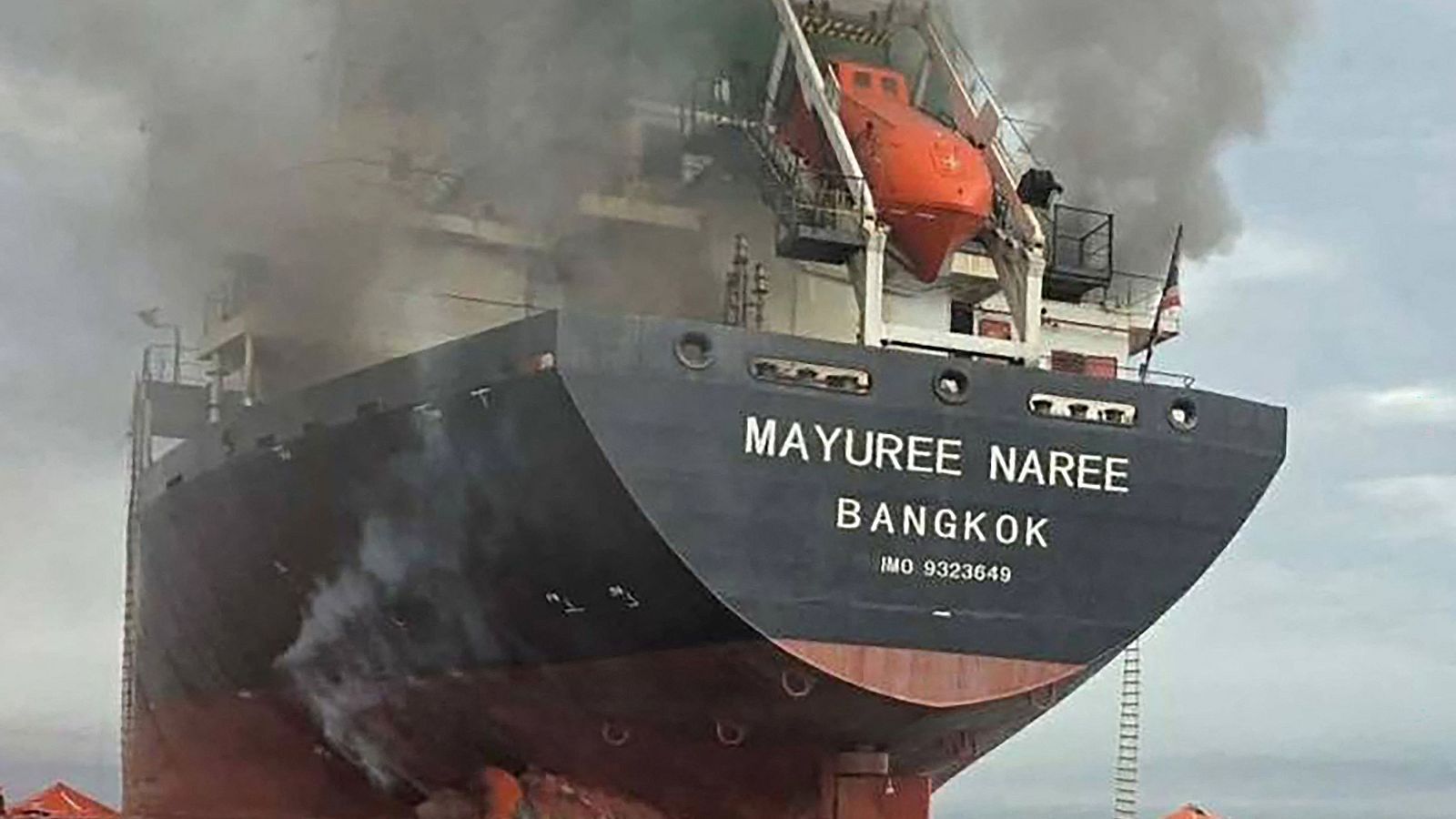

Analysts warn that any further deterioration could have significant economic and geopolitical consequences, affecting maritime trade, energy supplies, and regional stability.
The renewed tensions come at a time when global leaders are seeking to avoid additional conflicts that could disrupt international markets and create further uncertainty around the world.
Why is the possible collapse of the ceasefire so concerning?
Because it could trigger a wider conflict in the Middle East, disrupt global energy supplies, and place additional pressure on the world economy.