



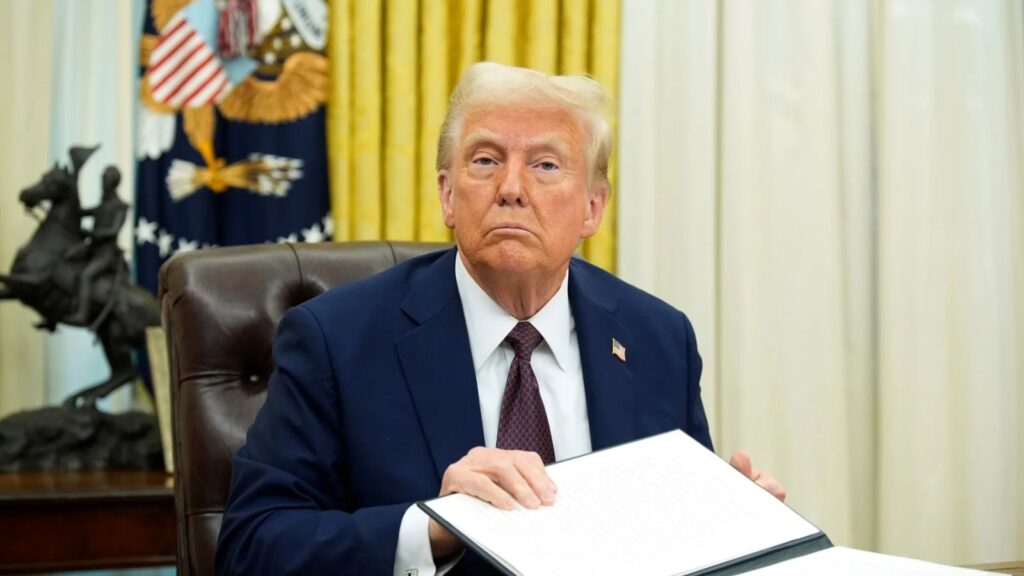
Tensions in the Middle East may be entering a new phase following reports of significant progress in peace negotiations between Iran and the United States. In this context, former president Donald Trump made a key decision: ordering a pause of a major operation in the strategic Strait of Hormuz, one of the most important maritime routes for global energy trade.
The move, known as the suspension of “Project Freedom,” aims to facilitate the transit of ships and reduce military pressure in the area. This pause has been interpreted as a political gesture to encourage diplomatic dialogue, at a time when both nations appear to be nearing a preliminary understanding that could include sanctions relief and security commitments.
Read More


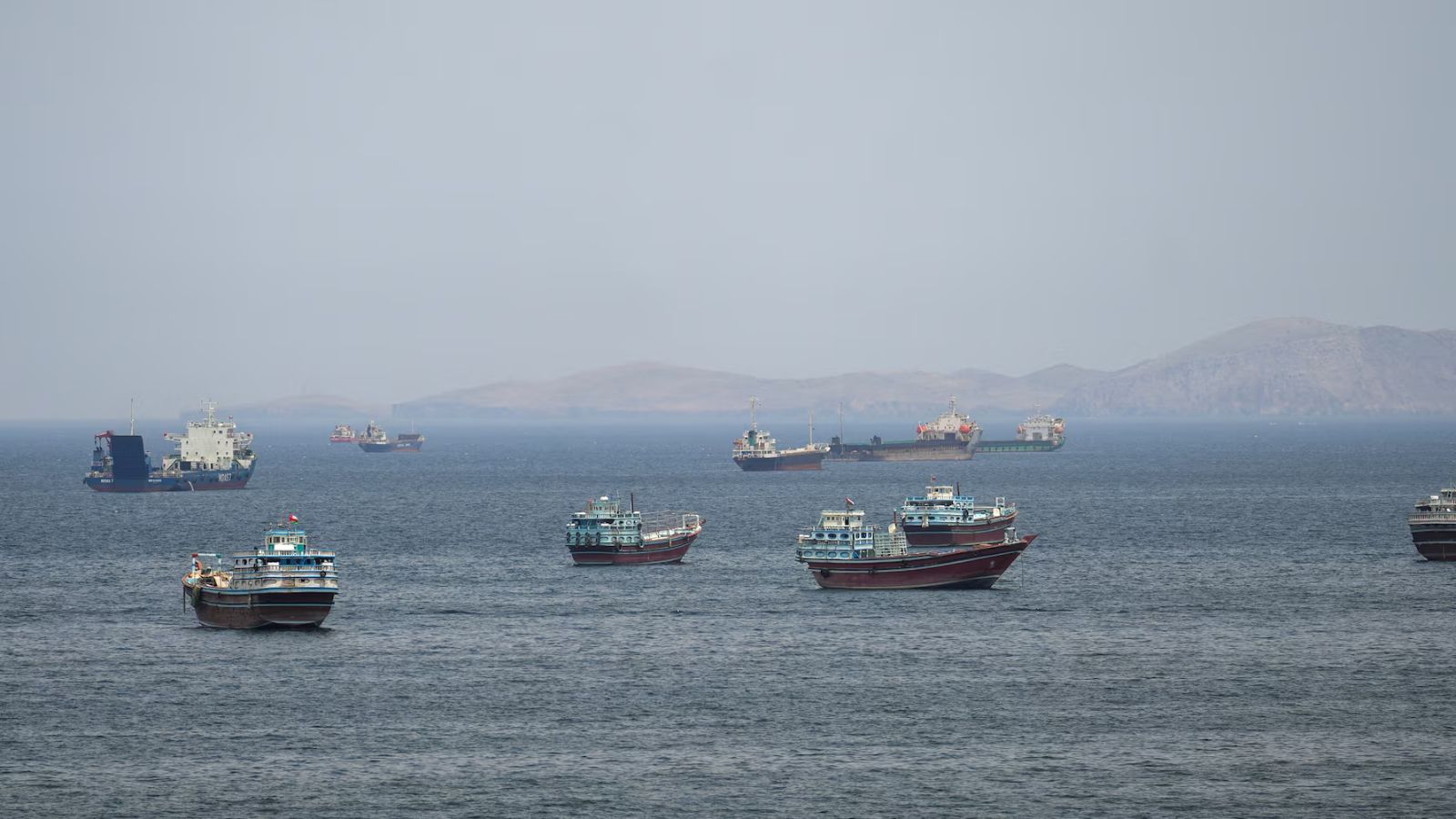

The Strait of Hormuz has been the epicenter of the conflict in recent months, disrupting maritime traffic and generating uncertainty in international markets. However, recent progress has begun to shift the tone of the situation, although experts warn that conditions remain fragile and any incident could reverse the gains achieved so far.
On the economic front, the possibility of an agreement has sparked positive reactions, particularly in the oil market, which heavily depends on stability in this critical region. Reduced tensions could translate into greater global energy stability.
Why is the Strait of Hormuz so important in this conflict?
Because a significant portion of the world’s oil passes through this route, making it a strategic point for the global economy.
Now the big question arises: will these advances be enough to secure lasting peace between Iran and the United States, or are we simply witnessing a temporary truce?