



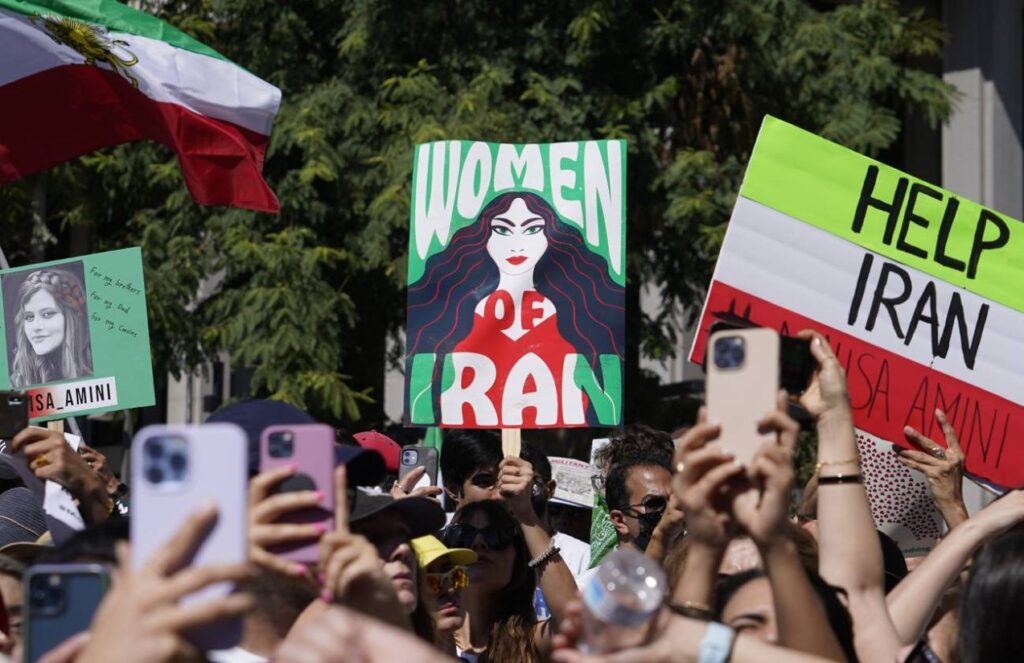
Iran is experiencing one of the largest waves of protests in recent years following the collapse of its currency, the rial, which plunged to record lows against the US dollar, sparking widespread public discontent. The economic crisis has led to rising inflation and widespread impoverishment, prompting citizens in several Iranian cities to take to the streets in protest.
The demonstrations, which quickly spread from Tehran to other cities such as Isfahan, Shiraz, and Mashhad, included merchants who closed their businesses in solidarity and demanded solutions from the government. The protests were the most significant since the nationwide demonstrations of 2022, with protesters chanting slogans against the economic situation and some voices also criticizing the regime.
Read More

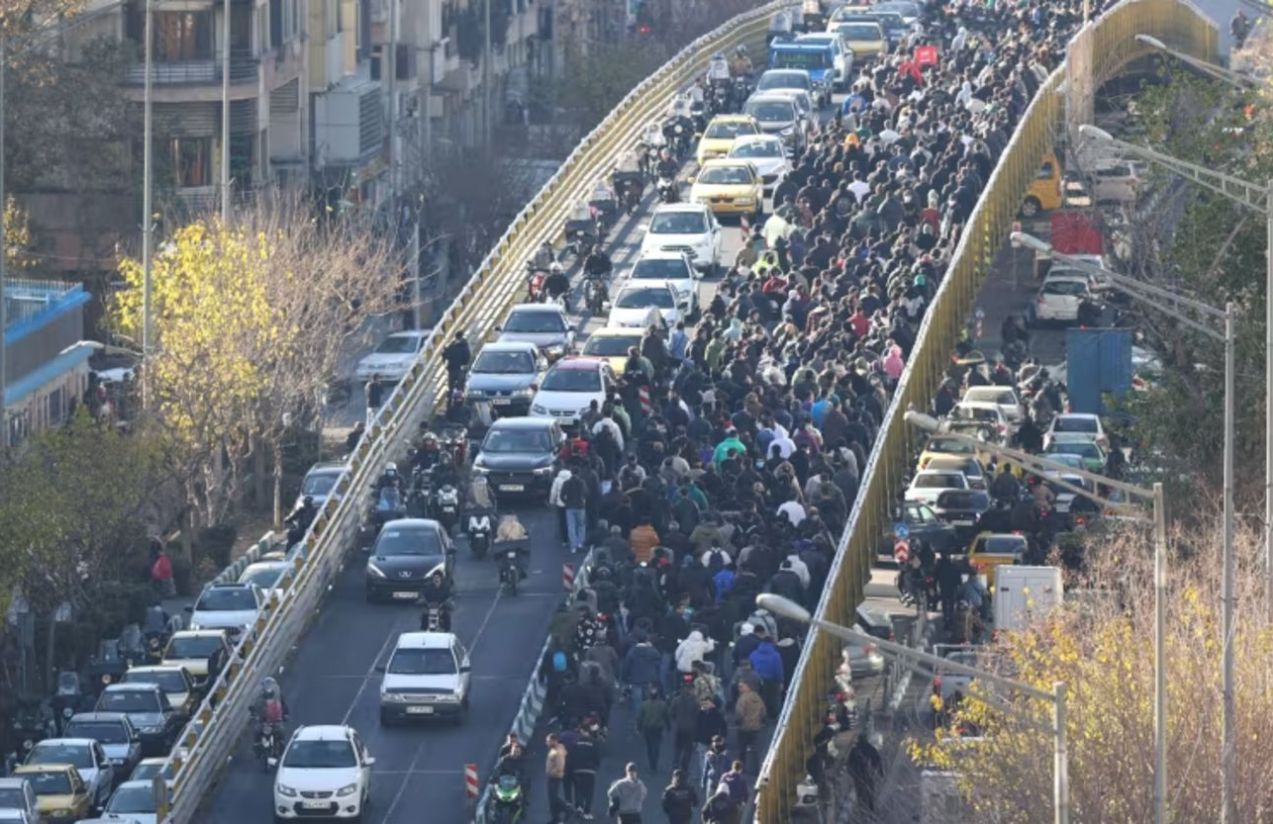

Amid growing pressure, the governor of Iran’s Central Bank resigned, reflecting the scale of the tension in recent days. Law enforcement forces used tear gas to disperse some groups of protesters in central areas such as Tehran’s Grand Bazaar.
What triggered these protests?
The spark was the abrupt fall of the rial to a historic low, which, combined with runaway inflation and rising prices, has eroded the purchasing power of millions of Iranians and unleashed unprecedented social unrest in the current economic context.