


The next generation of wireless connectivity promises to revolutionize how we connect: Li-Fi, short for Light Fidelity, transmits data using visible light instead of radio waves, like traditional Wi-Fi. This innovation uses special LED bulbs that flicker at extremely high frequencies to send information, which can then be received by devices equipped with optical sensors.
Thanks to this technique, Li-Fi offers transfer speeds that could far exceed current network capabilities, with laboratory tests reaching more than 90 Gbps. In addition, because it uses light rather than radio frequency, the signal is less prone to interference and more secure, as it cannot pass through walls or be intercepted from outside the illuminated area.
Read More

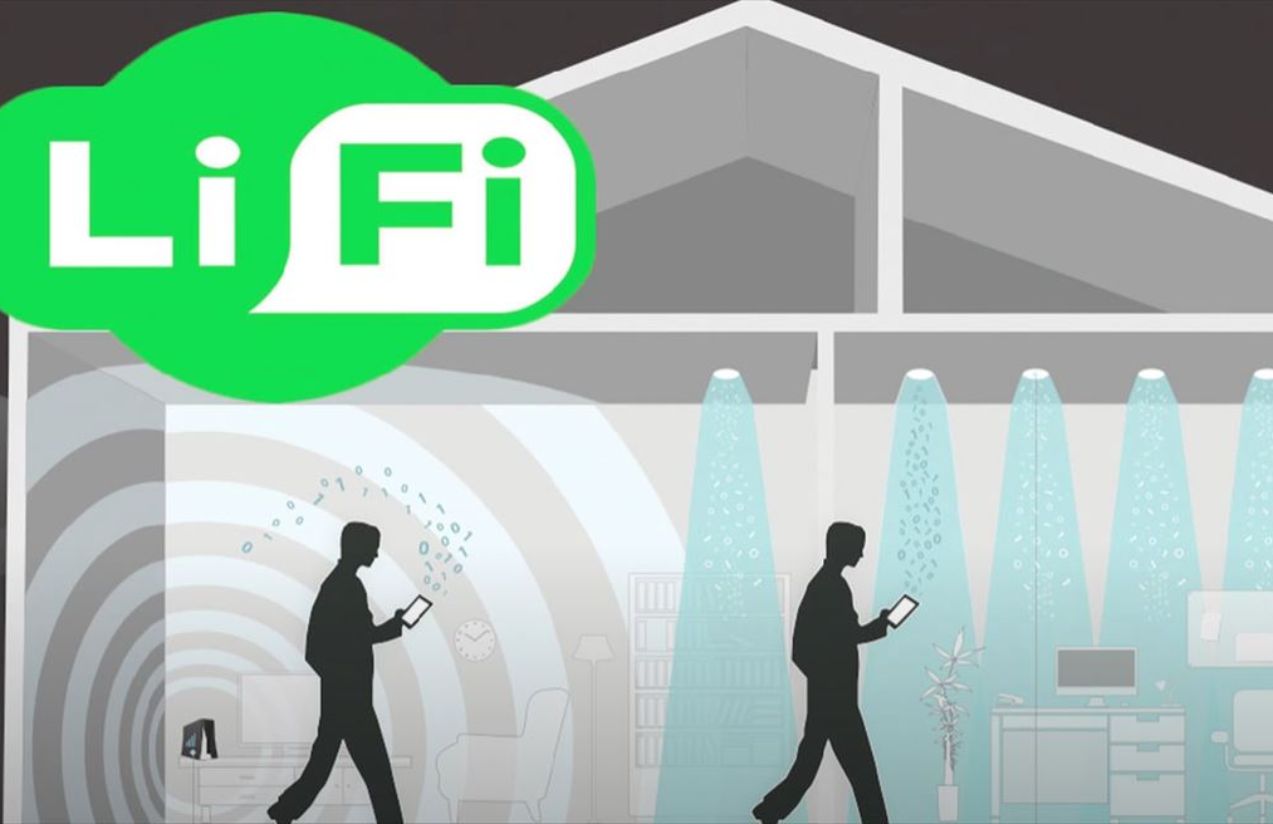
Despite its enormous potential, the technology still faces challenges, the signal only works under direct light, and current devices require specific adaptations to receive Li-Fi. This limits its household use for now, although standards and technological advances are accelerating its adoption.
Could Li-Fi replace Wi-Fi?
In theory, yes: its speed, security, and lack of interference make it ideal for dense and demanding environments, but it must first overcome coverage and compatibility challenges before becoming the norm.