



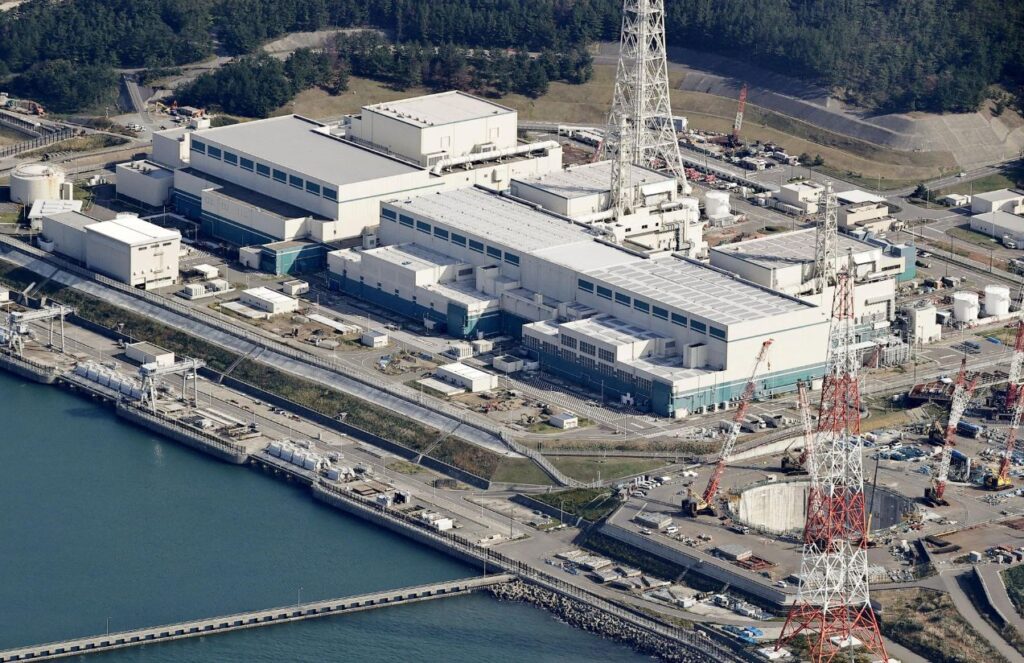
Japan has restarted Reactor No. 6 at the Kashiwazaki-Kariwa nuclear power plant, considered the largest in the world by installed capacity, marking a major shift in the country’s energy policy 15 years after the Fukushima disaster.
Operated by Tokyo Electric Power Company (TEPCO), the facility, home to seven reactors with a total capacity exceeding 8,000 megawatts, had remained inactive since 2012 following a nationwide nuclear shutdown.
The restart was briefly delayed due to a malfunction in the plant’s alarm system. Although the reactor was successfully brought online, operations were later temporarily suspended while an alert related to the control rods was investigated. TEPCO stated that there was no radioactive impact outside the plant and that the situation remains stable.
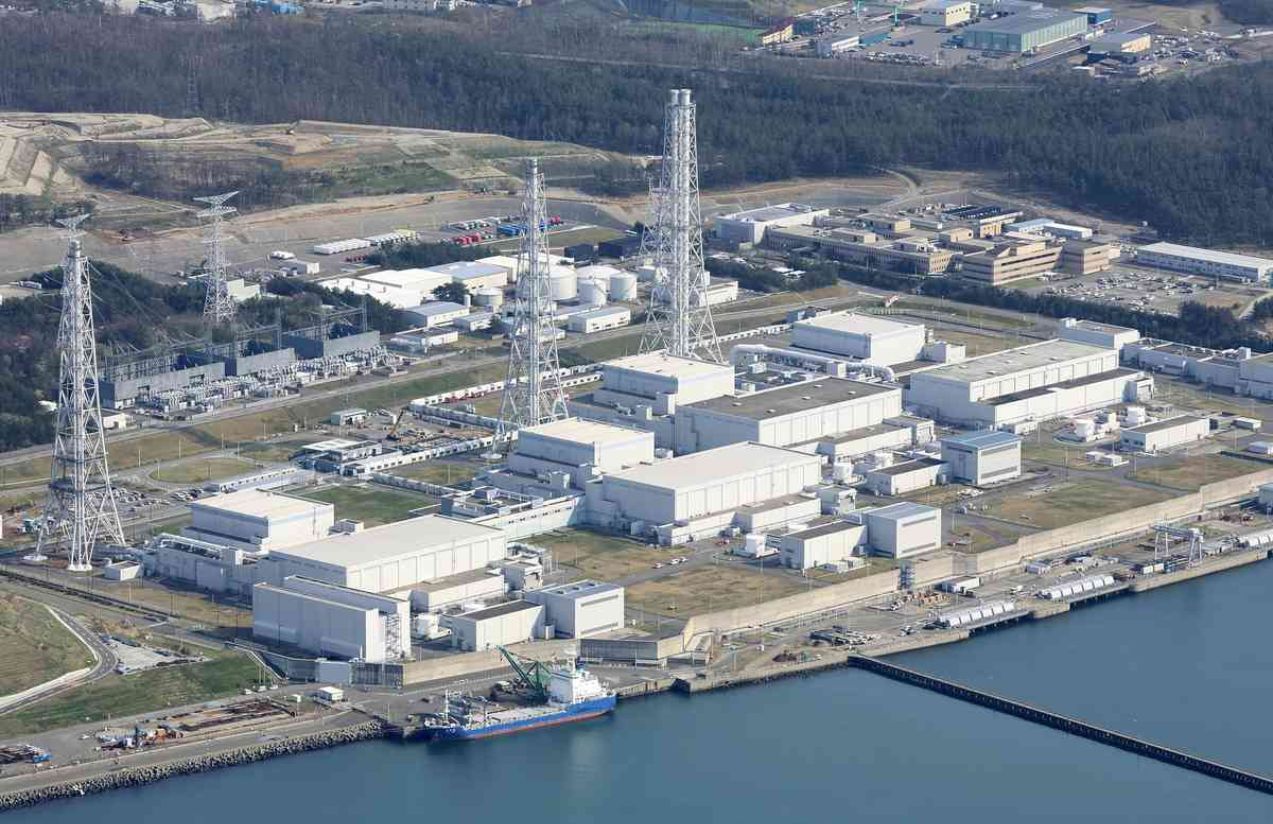

The move is part of Japan’s strategy to strengthen energy security and reduce reliance on fossil fuels amid rising demand and climate goals. However, it has also reignited public concern and protests over nuclear safety, particularly in the seismically active Niigata region.
Why is the plant’s restart controversial?
Because while it supports energy security and climate objectives, it also revives fears about seismic risks and nuclear safety standards in Japan.