



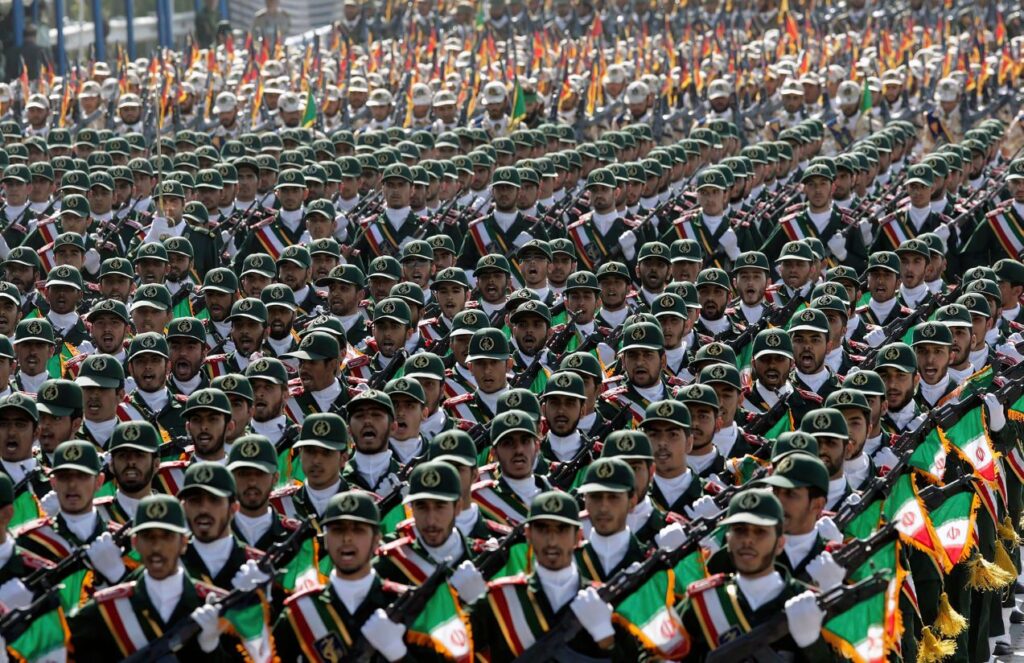
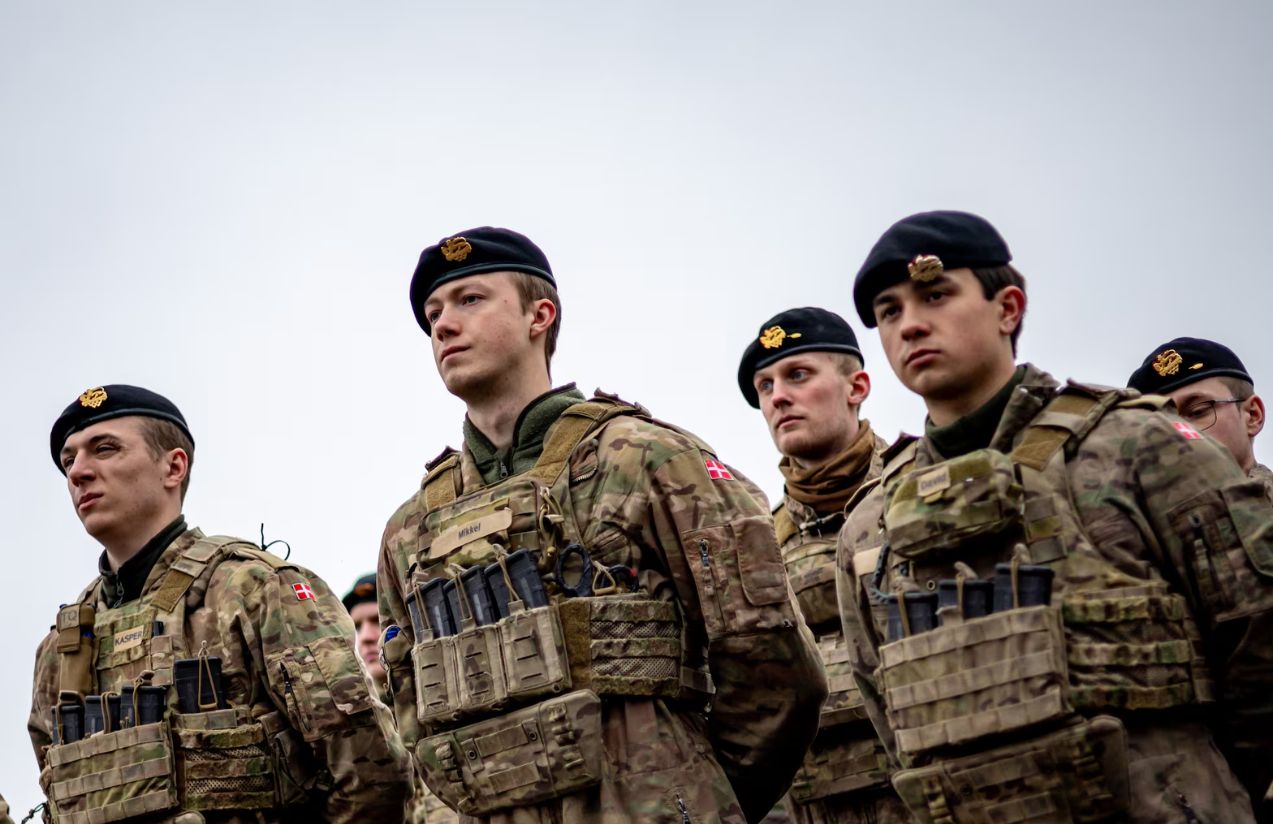
Iran announced that it now considers the armies of European Union member states as “terrorist groups,” a decision that deepens diplomatic tensions between Tehran and the EU. The move comes as a direct response to the European initiative to designate the Islamic Revolutionary Guard Corps (IRGC) as a terrorist organization.
The announcement was backed by Iran’s Parliament, which cited a national law passed in 2019 allowing the country to take countermeasures in response to similar actions against its armed forces. Iranian officials described the European stance as hostile and warned it would carry political and diplomatic consequences.


Although experts note that the decision is largely symbolic, it further aggravates an already tense situation marked by disagreements over Iran’s nuclear program, economic sanctions, and stability in the Middle East.
The international community is closely watching this escalation, which could affect diplomatic cooperation and increase mistrust between the assian country and Western countries.
What does this declaration mean in practice?
It does not lead to immediate military effects, but it intensifies the diplomatic conflict and hardens relations between Iran and the European Union.