




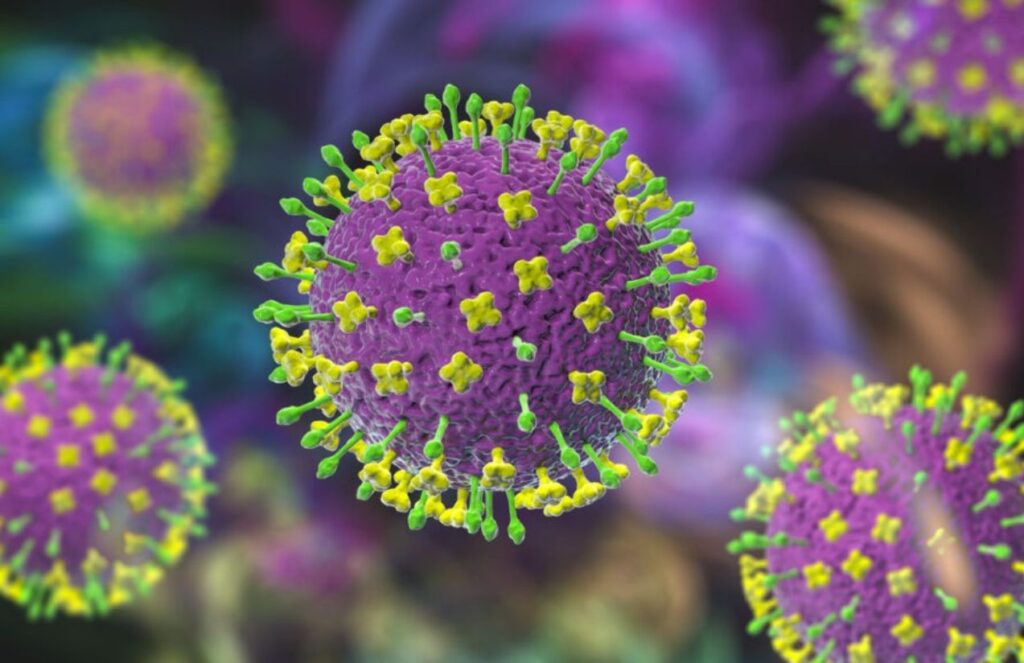
Health authorities in India have activated emergency protocols after confirming five cases of the Nipah virus in areas near Kolkata, a situation that has raised alarms due to the high lethality of this rare but extremely dangerous disease.
The Nipah virus is mainly transmitted through fruit bats, animals, or close contact between infected individuals. Early symptoms include fever, headache, and vomiting, but in severe cases it can lead to encephalitis and respiratory failure, with a mortality rate that can exceed 40%.
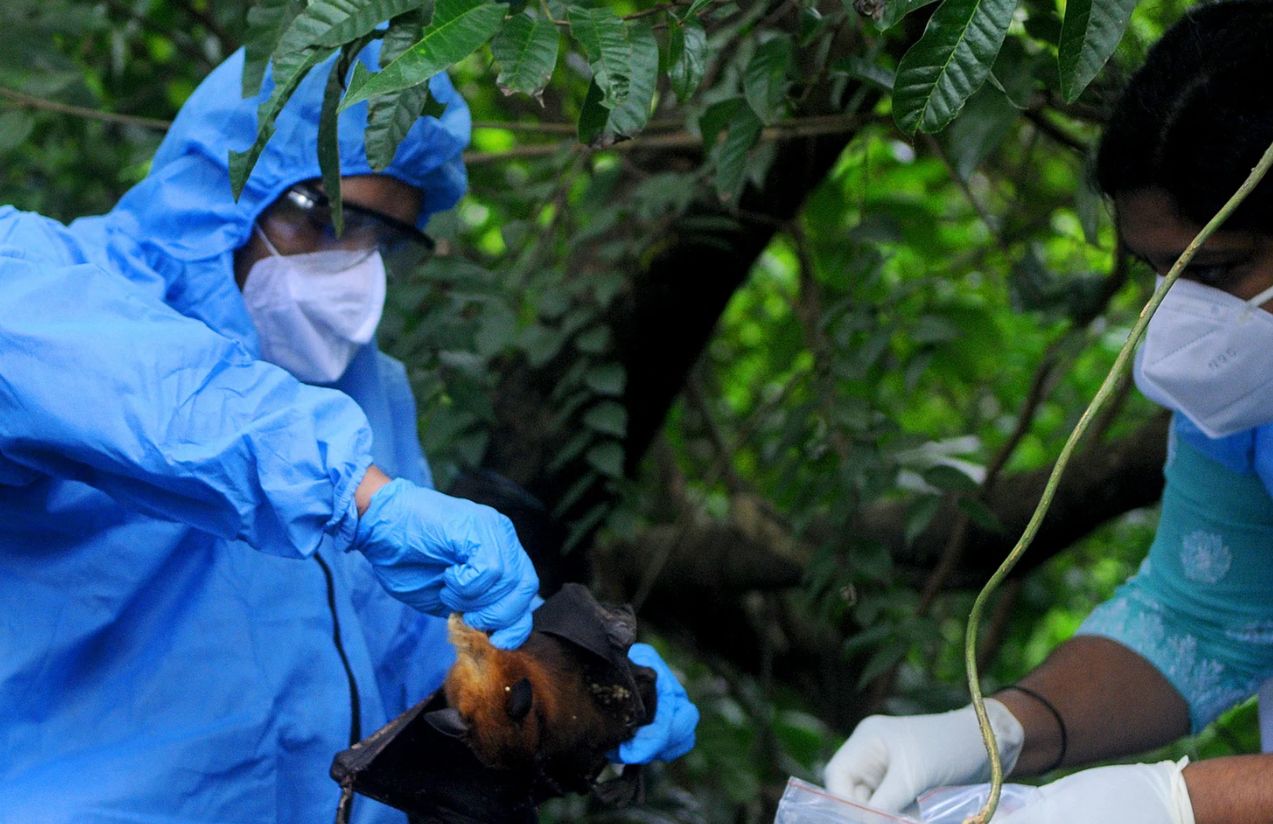

In response to the outbreak, the Indian government has strengthened epidemiological surveillance, isolated confirmed patients, and is tracing potential contacts to prevent further spread. Authorities have also issued recommendations urging the public to reinforce hygiene measures and avoid contact with wild animals.
Why is the Nipah virus so concerning?
Because there is no vaccine or specific treatment, and its rapid progression makes it a serious public health threat if not contained in time.