
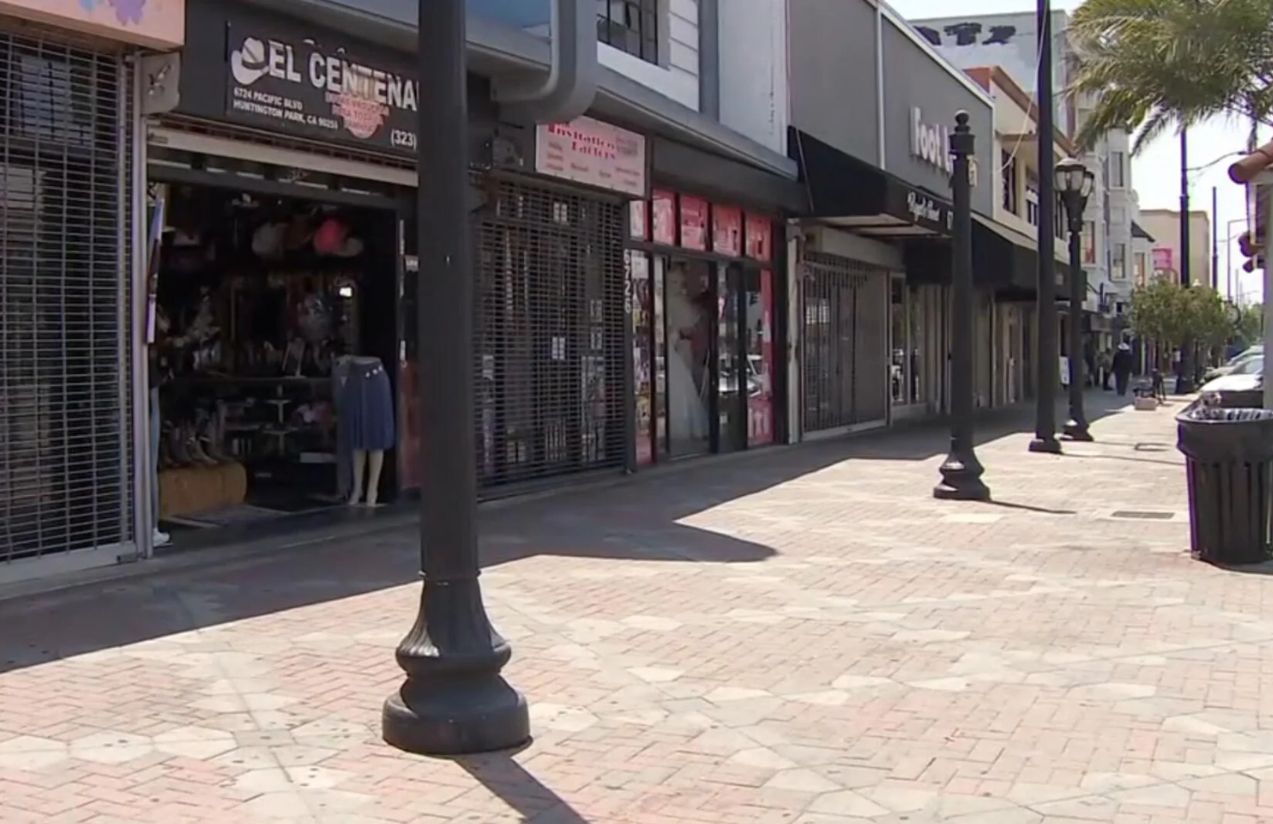

Daily life in this predominantly Latino city in Los Angeles, Huntington Park, County has undergone a dramatic transformation: fear sparked by an increase in immigration enforcement operations has left streets empty and businesses closed, making it resemble a ghost town.
Over 95% of Huntington Park’s residents have Hispanic roots, and up to 45% lack immigration documentation. The looming threat of possible arrests by Immigration and Customs Enforcement (ICE) has led many people to stay inside their homes, avoiding stores, public services, and community gatherings. The atmosphere of fear is so strong that Pacific Boulevard, the city’s main commercial strip, appears unusually quiet and deserted, triggering both social and economic strain.
Jonathan Sanabria, a City Council member and active community leader, described the situation bluntly: “We’re a target for them because they’re using stereotypes and racial profiling. They’re going after people who look like me.”
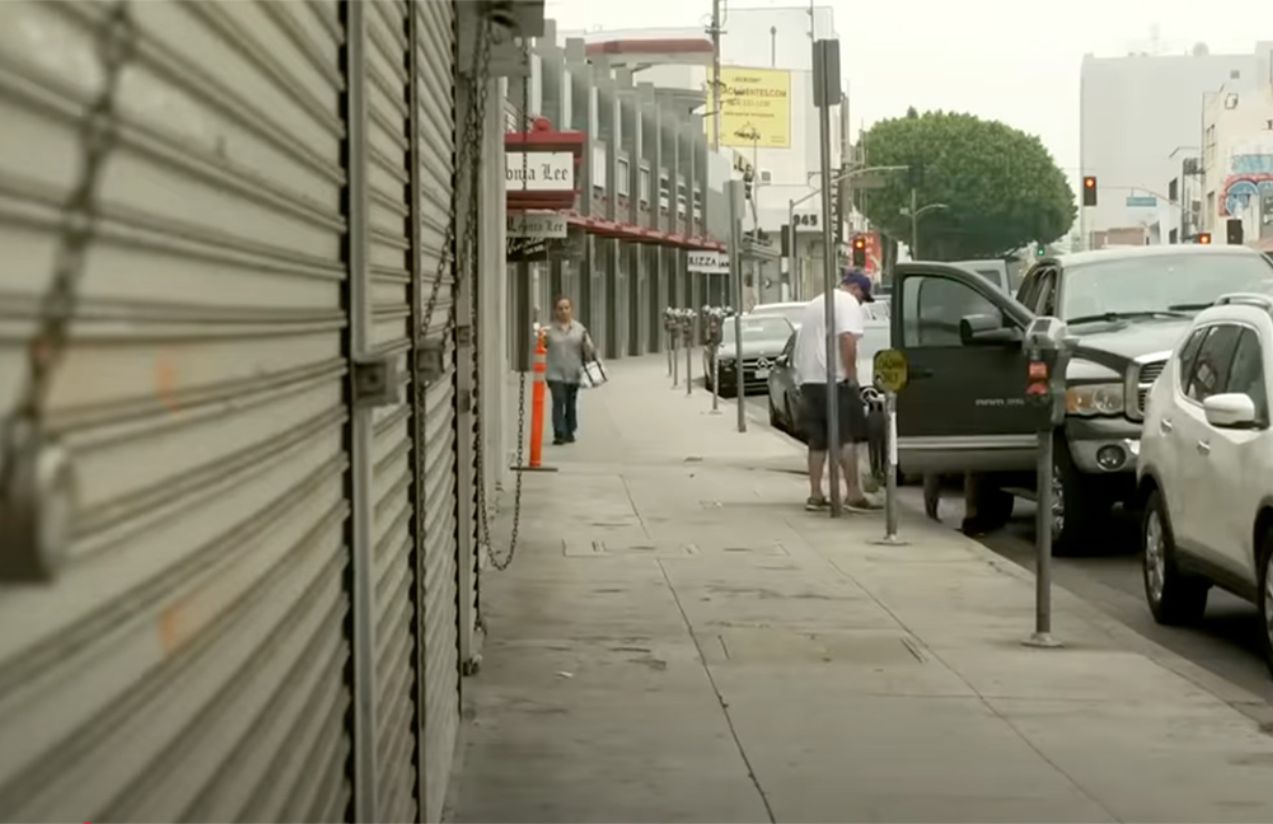
What specific consequences is Huntington Park facing?
Fear has paralyzed the city. Businesses that once thrived now keep their doors shut or open only behind security gates, restricting free entry. Social movement has drastically declined: streets and plazas that were once bustling are now empty, local tax revenues are dropping, and the community fabric is weakening, deeply impacting residents’ lives.