



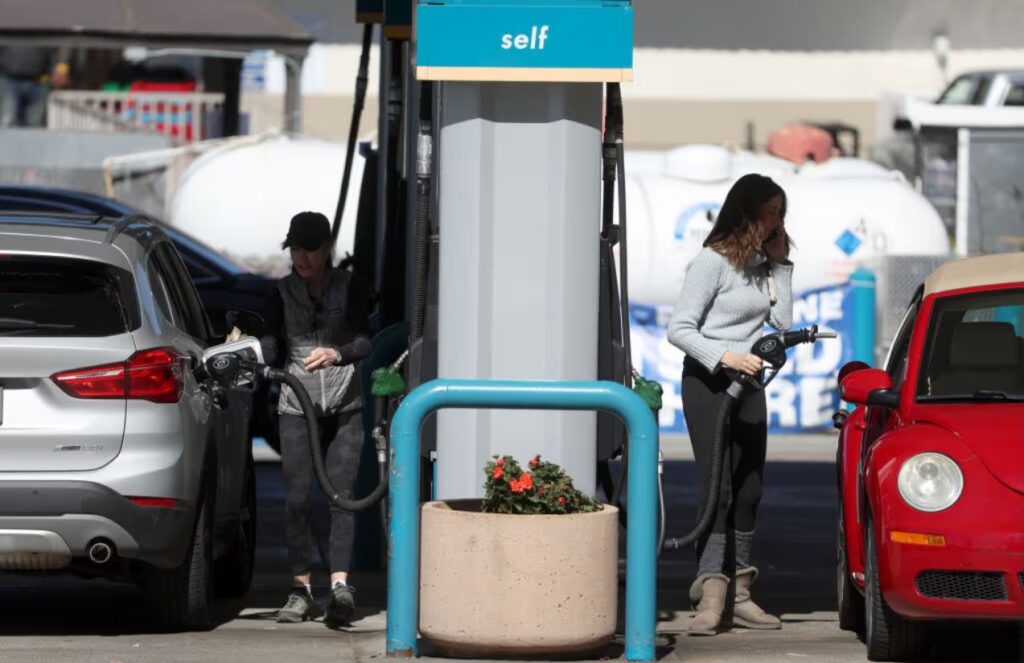
Currently, drivers in New York City are feeling the direct impact of the global energy crisis. Gasoline prices have risen sharply in recent weeks as tensions affecting the worldwide oil supply, largely linked to conflict in the Middle East, continue to grow.
In some parts of the city, such as the Upper West Side, the price of gasoline has reached as high as $5.39 per gallon, while the citywide average is around $3.74, more than 70 cents higher than it was just a month ago.
Read More


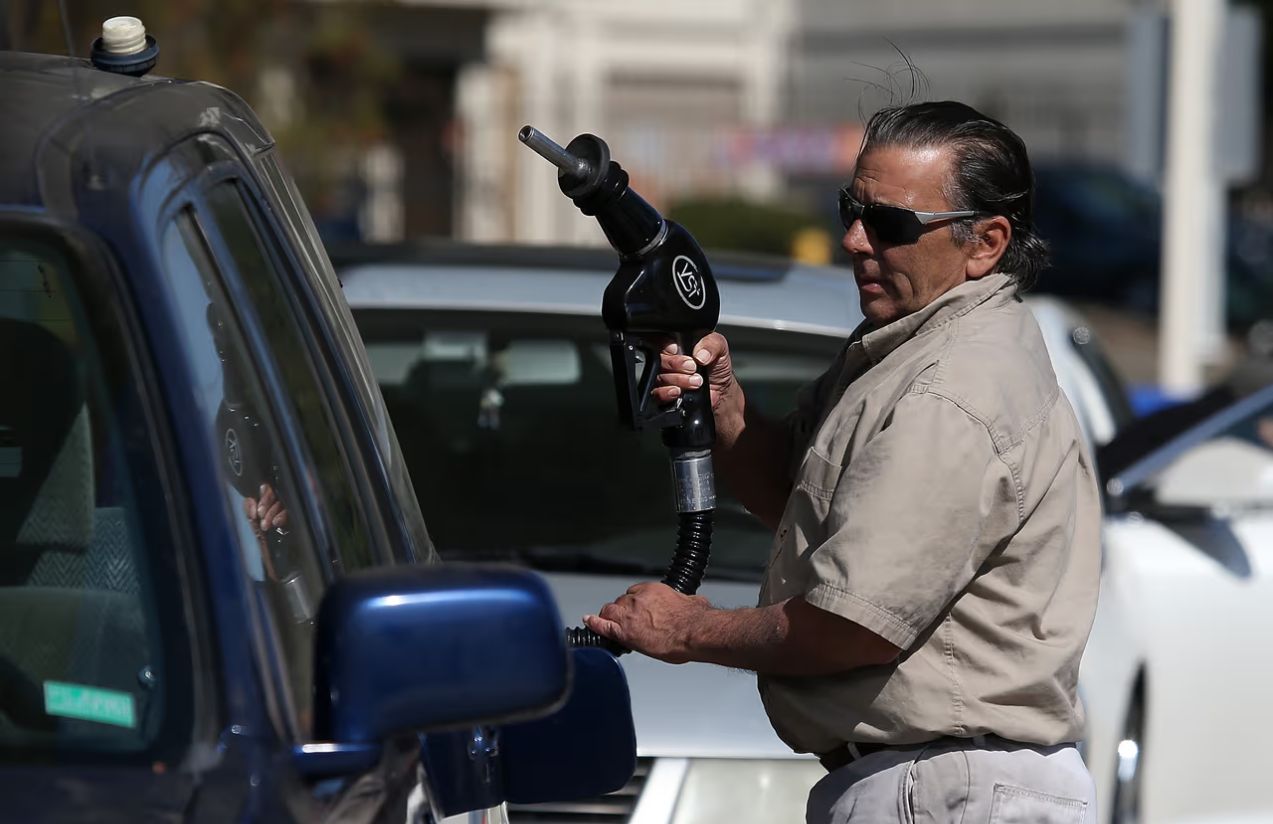

The increase is largely driven by tensions surrounding key global energy routes, particularly the Strait of Hormuz, through which nearly 20% of the world’s oil supply passes. Any disruption in this strategic area quickly affects crude oil prices and, in turn, fuel costs.
Experts warn that if the conflict continues, prices could keep climbing, putting additional pressure on millions of drivers across the United States.
Why do gasoline prices rise even if the U.S. produces a lot of oil?
Because oil is traded in a global market. When conflicts or crises affect worldwide supply, prices tend to rise everywhere, including in the United States.