




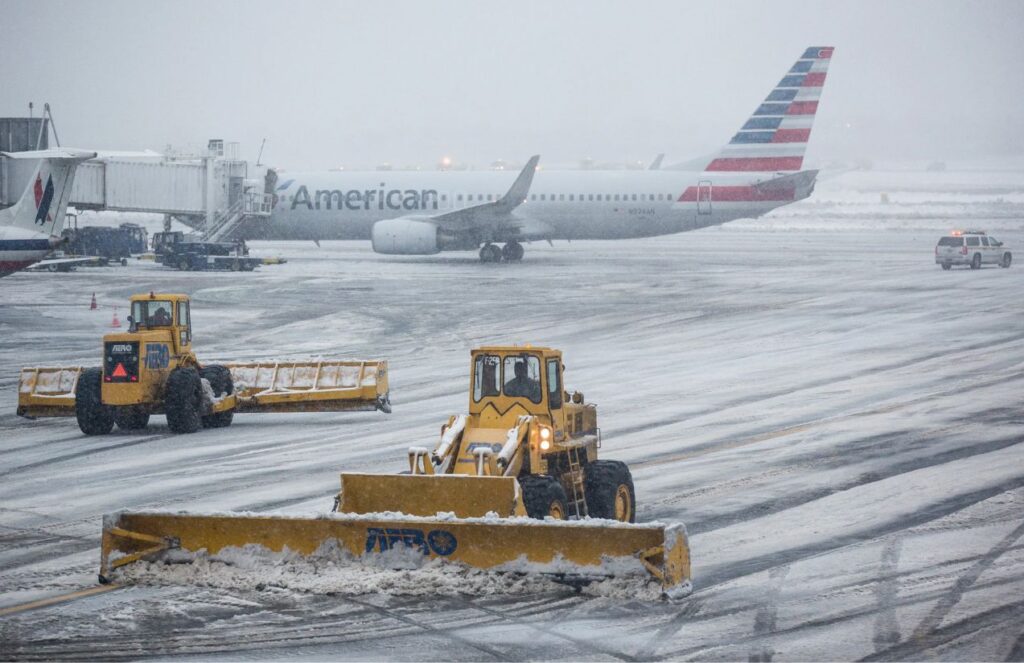
In recent weeks, a severe winter storm has unleashed widespread chaos at airports across the United States, leading to the cancellation or delay of more than 9,000 flights during one of the busiest travel weekends of the year. The disruption has affected both domestic and international travel, stranding thousands of passengers and creating long lines, overcrowded terminals, and missed connections nationwide.
Among the most impacted airports are those in the New York metropolitan area, JFK, LaGuardia, and Newark, as well as Boston’s Logan International Airport, where snow accumulations surpassed 17 centimeters in some locations. Other major hubs in the Midwest and Northeast have also reported significant delays due to icy runways, reduced visibility, and aircraft de-icing operations.
Read More


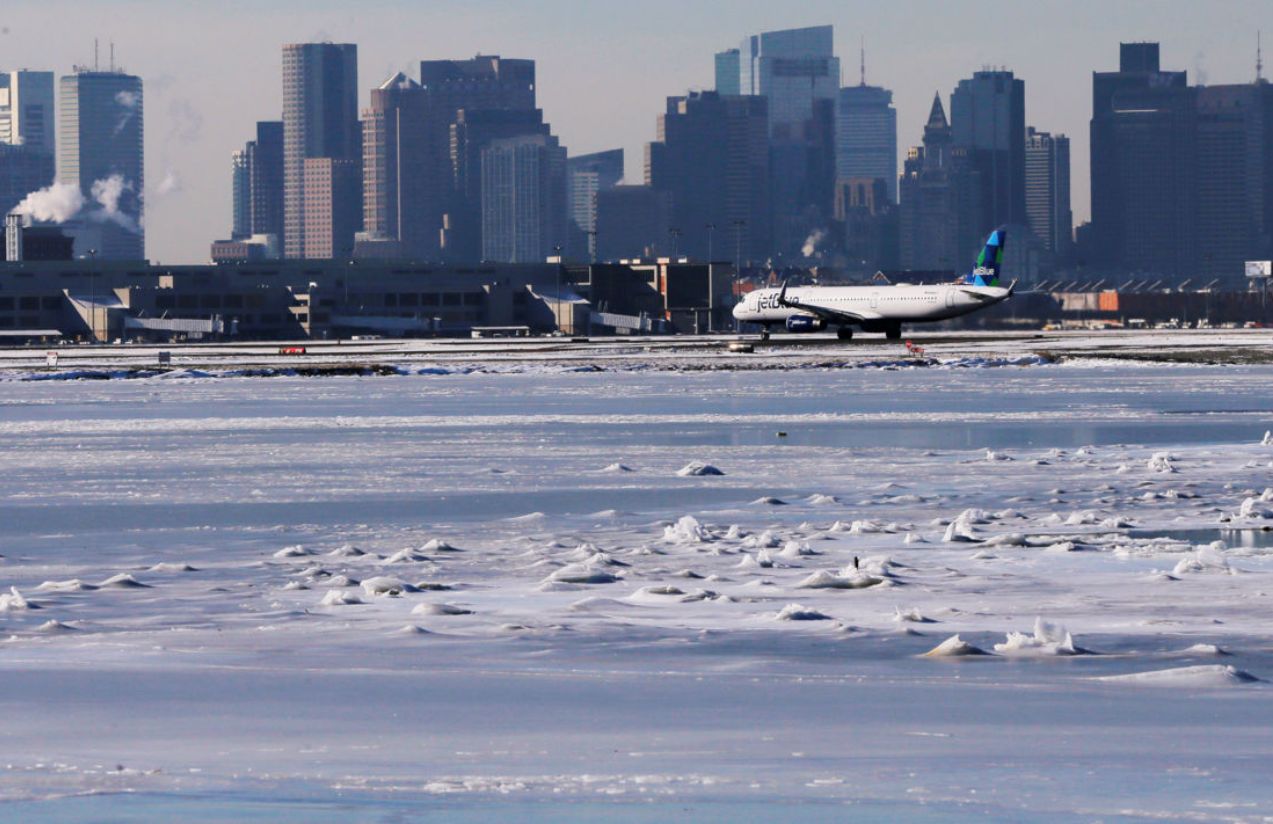

Millions of travelers have seen their holiday and end-of-year plans disrupted, forcing airlines to adjust schedules, reassign crews, and offer flexible rebooking options without additional fees. Authorities have urged passengers to check flight statuses frequently and allow extra time when traveling to airports.
Why has this storm had such a major impact?
Because it struck during peak holiday travel season, when air traffic is at its highest, and even minor weather disruptions, such as heavy snowfall, strong winds, and hazardous runway conditions, can quickly escalate into widespread cancellations and delays.