

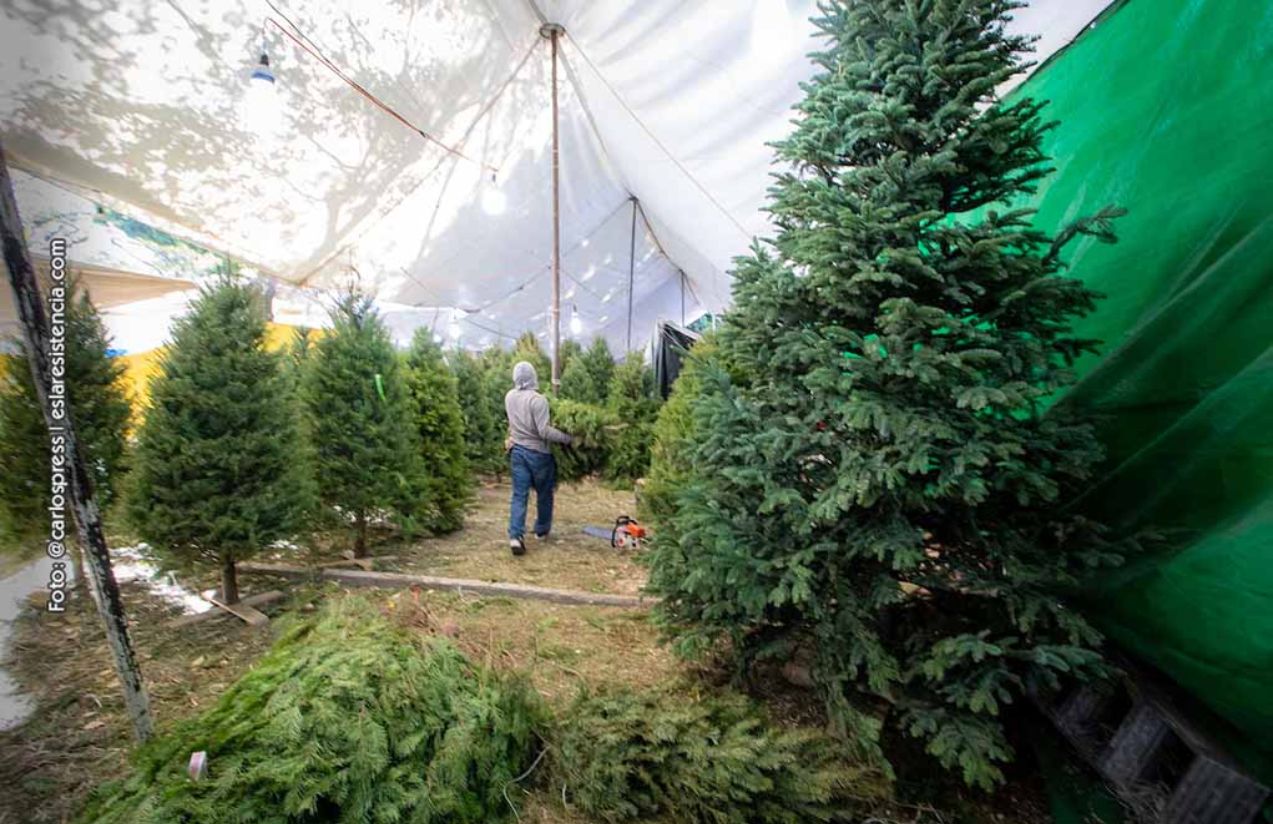

The traditional natural Christmas tree is experiencing a season shaped by economic pressures, according to a recent report by The New York Times. Rising inflation, higher fuel prices, labor shortages, and increased transportation costs have created new challenges for tree growers across the United States, forcing many to adjust prices during the holiday season.
Producers explain that growing a natural Christmas tree can take between seven and ten years, meaning current costs reflect long-term investments made under very different economic conditions. In addition, climate changes and extreme weather have affected harvests in some regions, reducing supply and putting further pressure on prices.
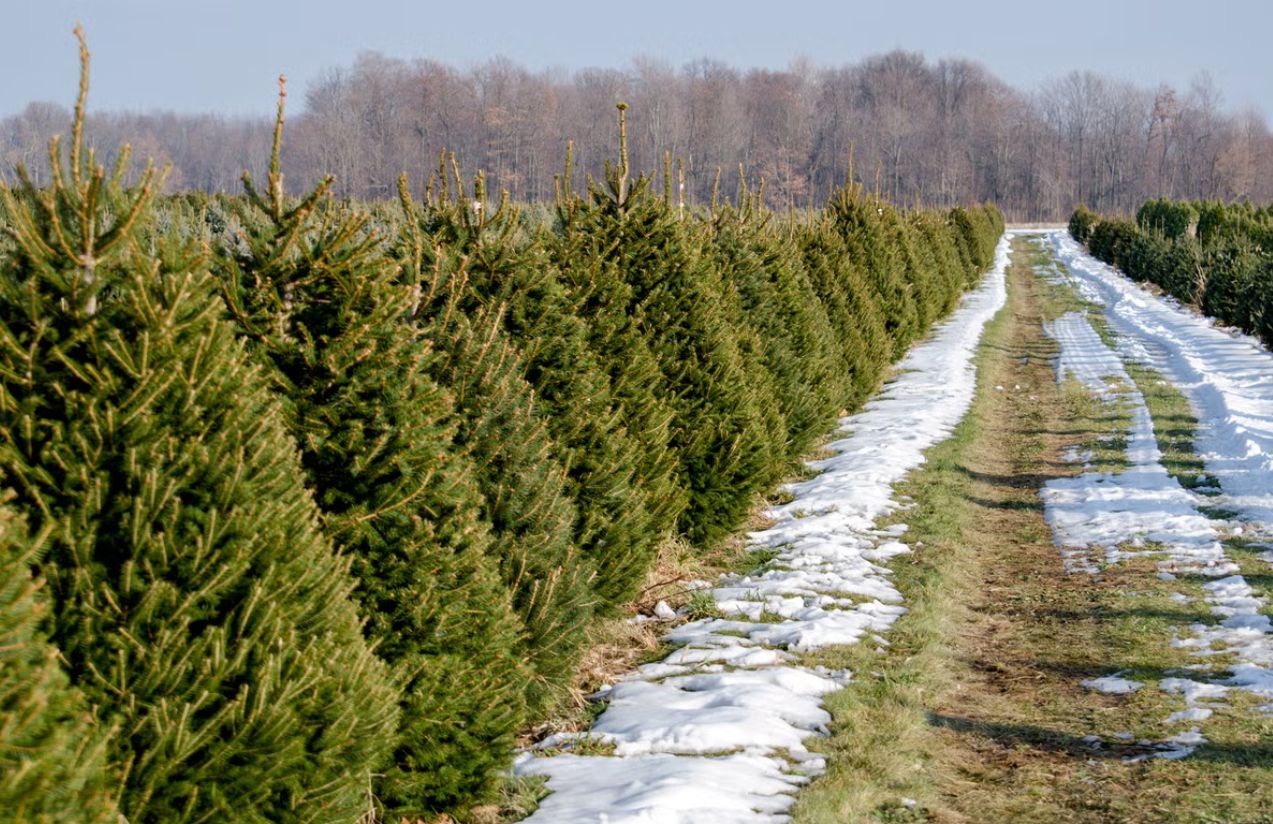
Despite these challenges, demand for natural Christmas trees remains strong. Many consumers continue to choose real trees for their fresh scent, authentic appearance, and lower environmental impact when responsibly grown and recycled. For many families, the tradition outweighs the higher cost.
Will the natural Christmas tree remain popular despite rising prices?
Yes. While prices have increased, the emotional value, sustainability appeal, and long-standing holiday tradition continue to drive steady demand.