



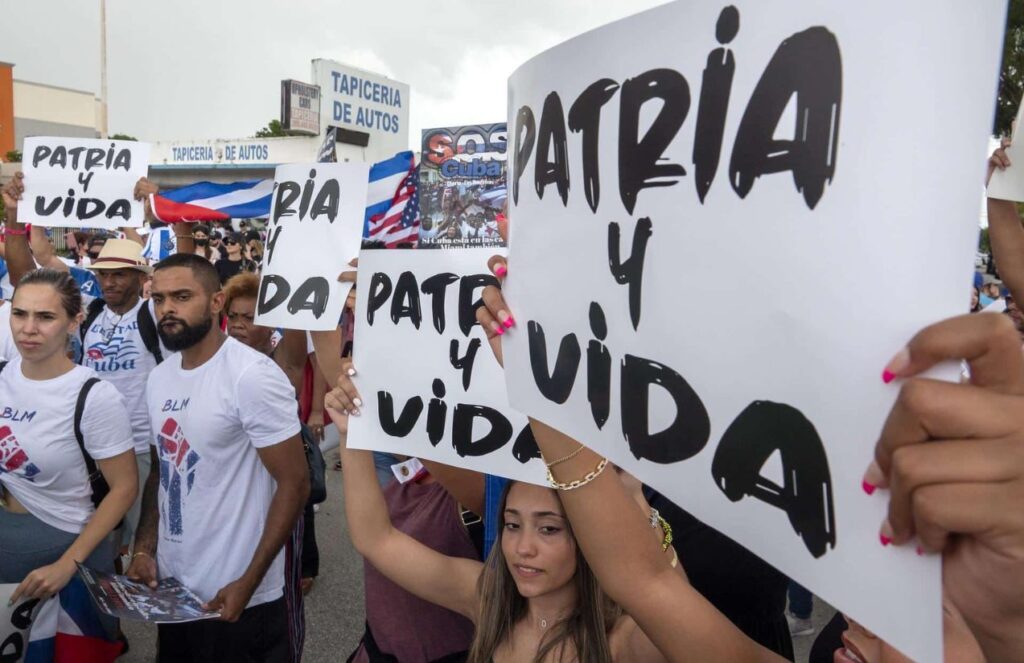
Currently, the government of Cuba announced the release of more than 2,000 prisoners in what it described as a “humanitarian and sovereign” gesture, marking one of the largest mass releases in years. The decision comes amid a severe economic crisis, energy shortages, and growing international pressure.
According to authorities, those released were selected based on criteria such as good behavior, time served, and health conditions. Among them are young people, women, and older adults, although it has not been confirmed whether political prisoners are included.


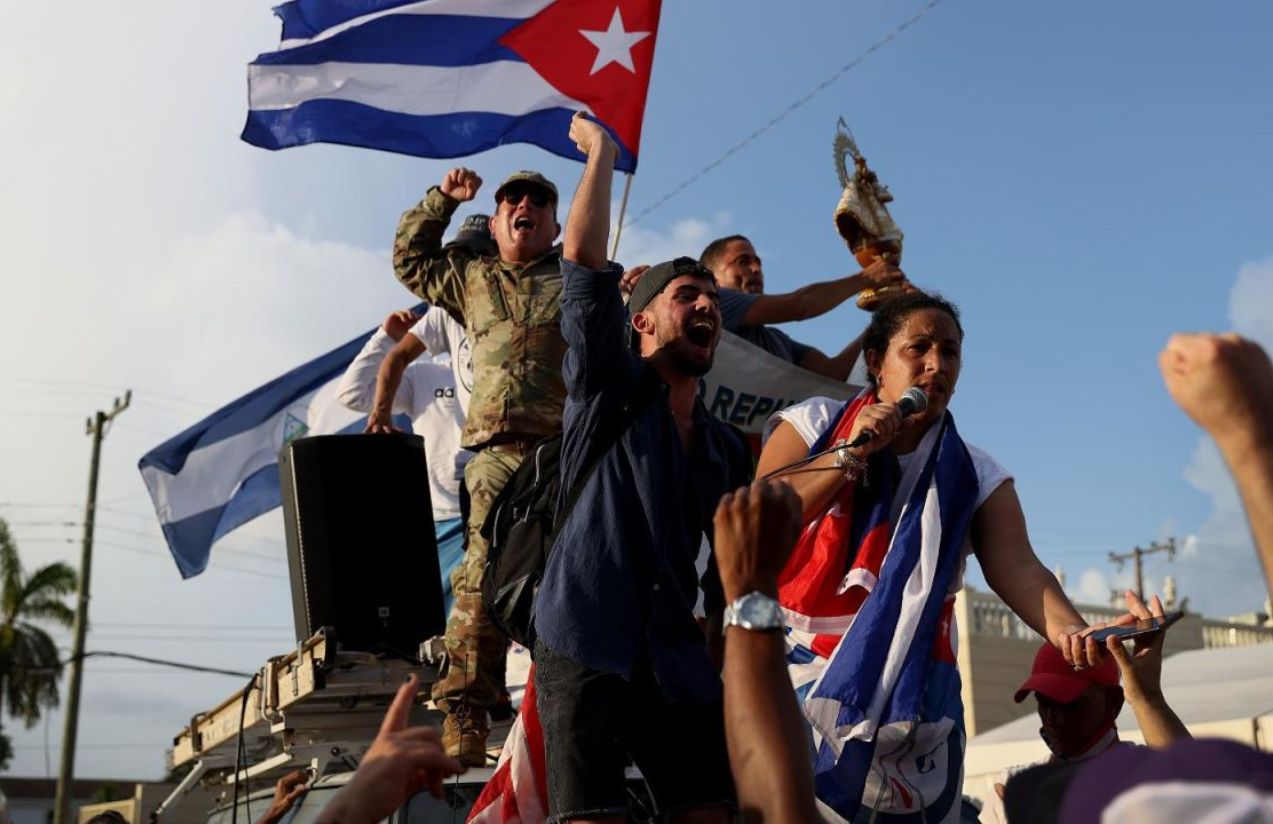

The announcement also coincides with a delicate moment in relations with United States, as well as internal challenges that have affected electricity supply and basic services across the island.
Why did Cuba make this decision now?
Because it aims to ease international tensions and signal openness amid a complex economic and social situation.
While some sectors view the move as progress, others question whether it will have a lasting impact on the country’s political landscape.