





The death of Alan Greenspan at the age of 100 has reopened the debate about the impact of one of the most influential economists of the late 20th and early 21st centuries. For nearly two decades, he led the Federal Reserve of the United States, earning the nickname “the Maestro” for his role in maintaining economic stability.
His tenure was marked by periods of growth and financial expansion, which brought him international recognition. However, it was also accompanied by criticism over his policies of deregulation and low interest rates, which some experts link to the global financial crisis of 2008.
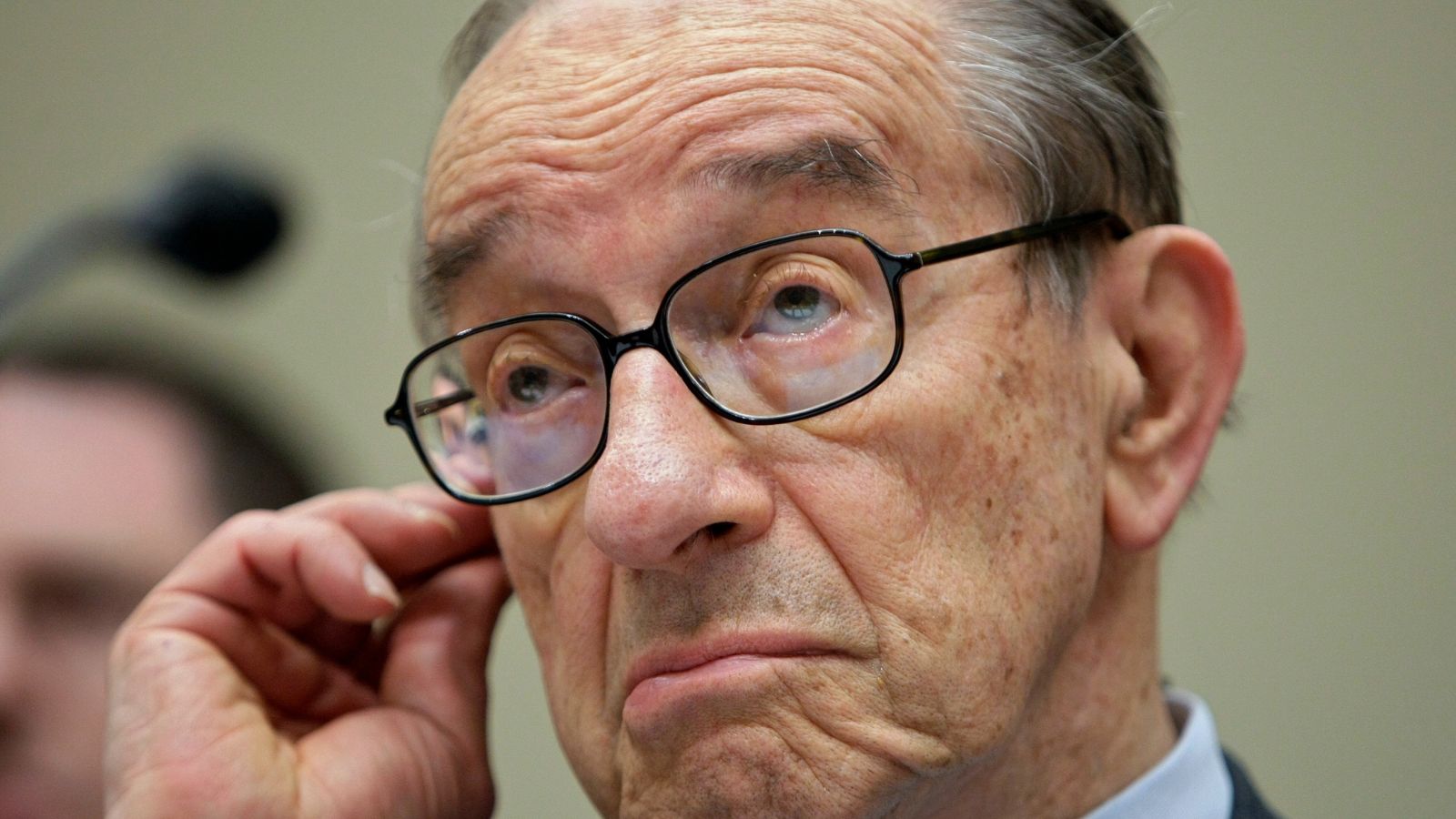

Over the years, Greenspan himself admitted that he had underestimated the ability of markets to self-correct, further fueling the debate over his legacy.
Today, his figure continues to generate divided opinions among economists, politicians, and financial analysts around the world.
Why is Alan Greenspan so important in economic history?
Because he served as Chairman of the Federal Reserve during a long period of U.S. economic growth, but also became a central figure in the debate about the causes of the global financial crisis.